
Aluminum saw for power bank manufacturing is a useful equipment question only after the factory identifies a retained metal part that arrives as sawable stock. A finished portable charger may have a metal frame, covers, a battery pack, electronics, connectors and a cable, but its advertised capacity or charging output is not a blank length. The first purchasing decision is whether this factory cuts an approved aluminum member, buys a prepared mechanical housing, or receives an already populated unit.
An Anker MagGo power bank product listing describes a metal frame alongside the device’s charging features and included cable. It is an example of how a finished product description spans different components. It does not disclose that product’s frame stock form, manufacturing route, cut dimensions, or any relationship with Jiurun. Never infer a saw operation from the retail listing alone.
When is an aluminum saw for power bank manufacturing relevant?
List each retained mechanical part by family, position, revision and supplier. A long aluminum extrusion cut into housing blanks is one possible route. A formed frame, a machined body, a finished cover and an assembled housing are different purchase units. Some power banks may have no straight aluminum stock in the buyer’s factory at all. If the mechanical assembly arrives ready to populate, a saw quote for that assembly is outside the actual work.
Ask the receiving team what it will accept at the handoff: incoming raw length, rough blank, finished mechanical body, prepared housing kit, or complete power bank. Then identify who owns the next operation and its inspection. This keeps the equipment inquiry attached to a physical metal member rather than to a product photograph.
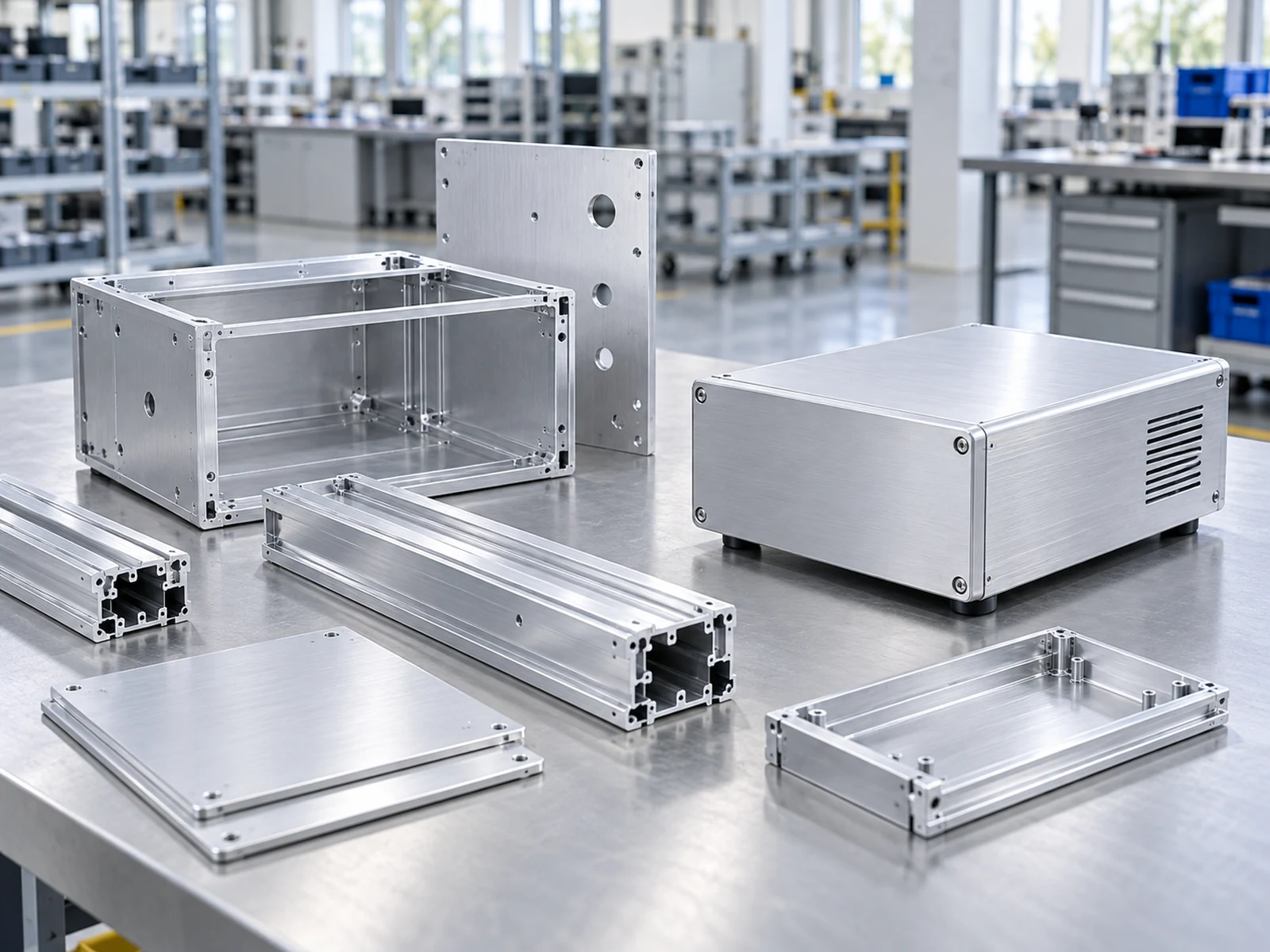
Confirm that the proposed metal route is sawable
For each part proposed for cutting, request the released drawing and an actual stock sample. Record section shape, outside dimensions, wall and internal features, alloy or approved material specification, temper or material state, surface condition, supply length and the two physical end requirements. A finished product’s width and thickness do not establish any of those values. A shaped housing might be made by an entirely different process; its appearance alone cannot justify a circular saw purchase.
Keep the saw handoff narrow. The saw may create a straight blank at a specified length and end condition. Port openings, fastening features, surface finish, cover fit and the association with a battery or circuit assembly may remain downstream. Mark those later features on the drawing so nobody presents them as cut-face results.
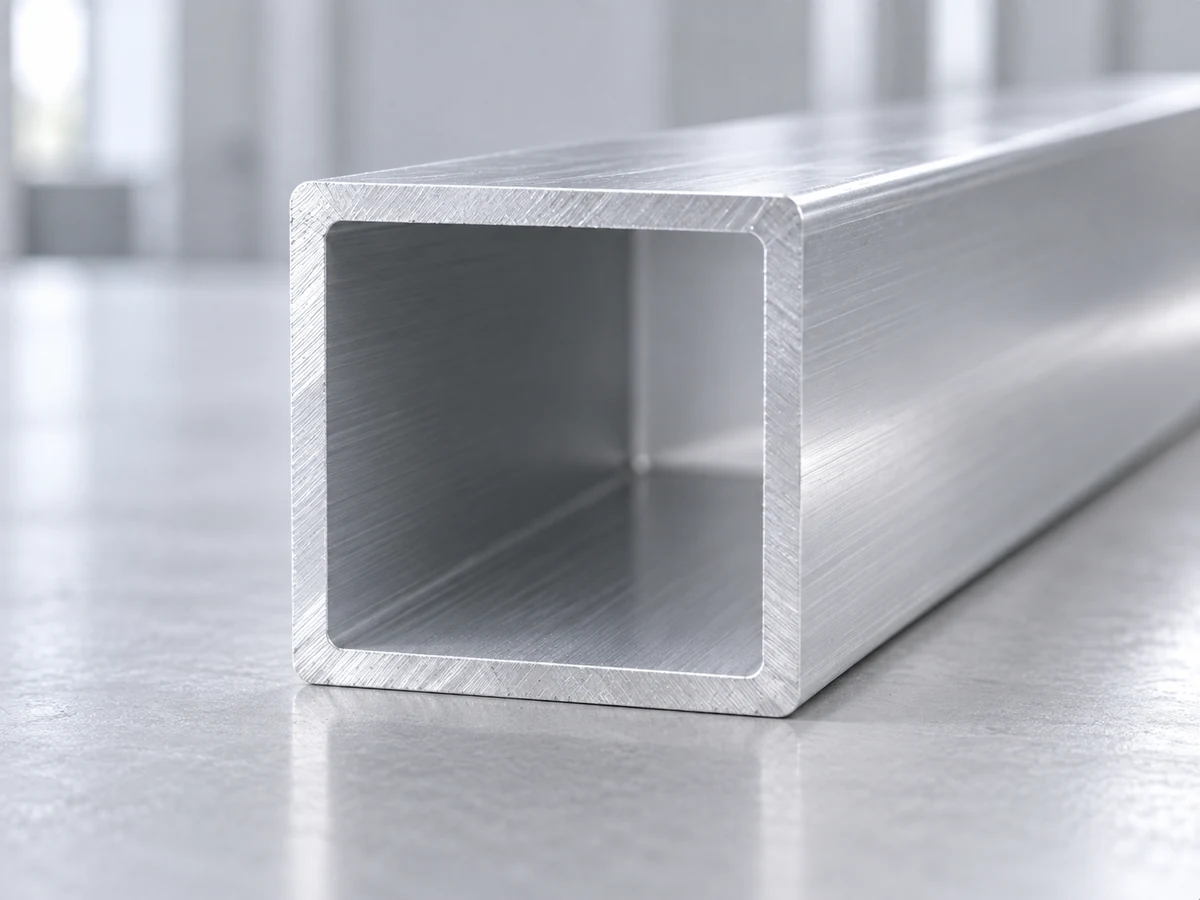
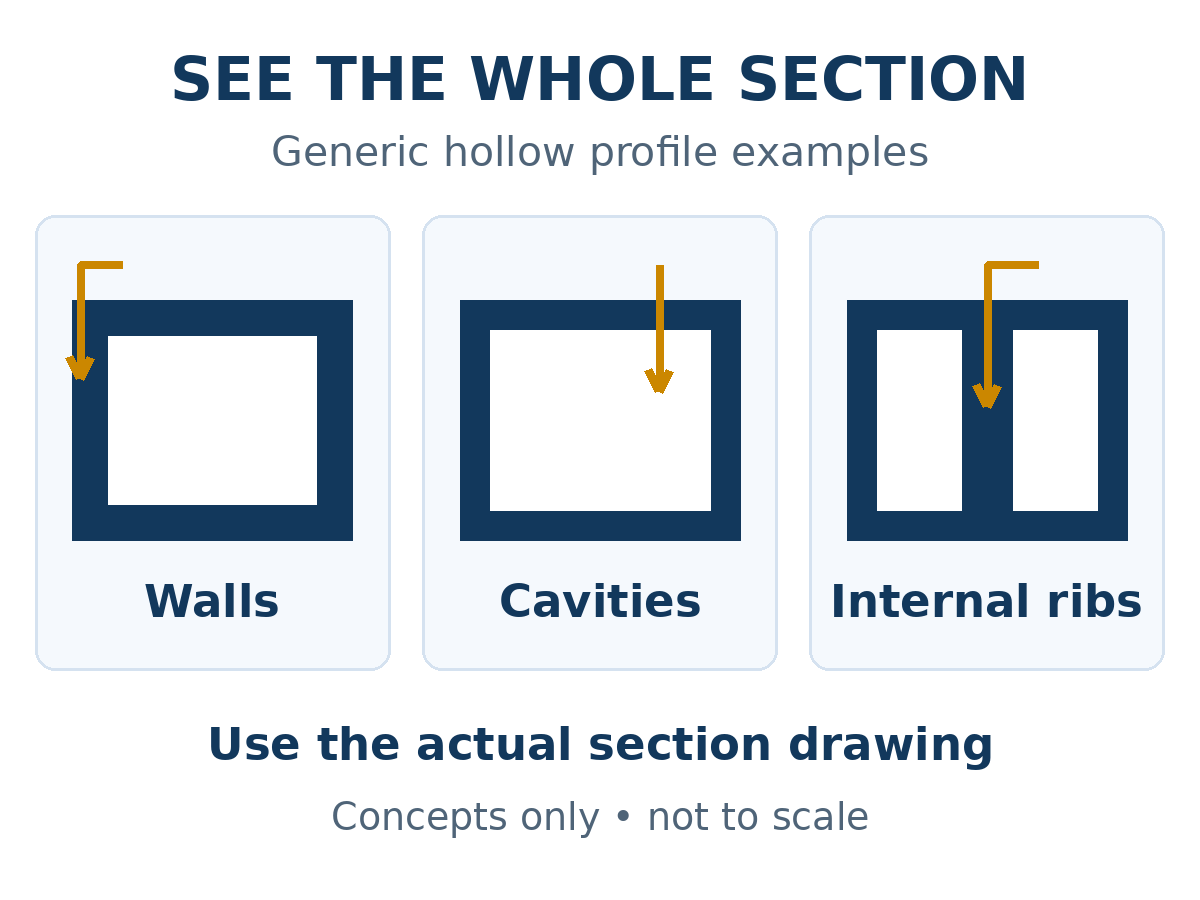
A section drawing matters because the outer rectangle does not describe a hollow member’s internal geometry. Wall thickness, cavity and any internal rib affect how a real stock sample can be supported and how its end is inspected. The generic diagram below is a purchasing prompt, not a drawing for a particular charger.
Keep mechanical and electrical evidence on separate lines
A cut blank can be checked for its own length, visible end condition, orientation and handling marks against an agreed receiving standard. That record does not establish the fit of a cover, the position of a connector, the function of an assembled pack, or the safety of a charging product. Those claims need their own responsible engineering and product verification processes.
Use separate identifiers for the cut member and for bought components. A mechanical frame revision, surface finish, cover revision, purchased cell or module, and completed product identifier should not collapse into one stock code. Where a finished housing is supplied by another company, document whether the supplier has already performed cutting and what the receiving inspection covers. This prevents double-counting a cut that never occurs in-house.
For each proposed saw blank, identify the surface that may be visible after assembly and any protection needed before later finishing. Inspect a sample at the receiving boundary; avoid treating a clean cut face as proof of finished appearance or assembled performance. The detailed housing guidance in Jiurun’s extrusion-versus-finished-case purchasing comparison offers a related framework, while the power-bank bill of materials must be established for the buyer’s own product.
Build an RFQ that can be checked at one handoff
Send a separate row for every metal part the factory intends to cut. An unresolved part is an open decision, not a dimension to guess. The useful request contains the following fields.
| RFQ field | Why it matters |
|---|---|
| Product family, mechanical part number, revision and drawing owner | Separates the retained blank from covers, purchased housings and complete chargers. |
| Actual incoming stock form, approved material, section drawing and sample | Shows whether a straight saw cut is relevant and what must be supported. |
| Blank length reference, two end conditions and receiving inspection | Defines the saw handoff without borrowing the finished device’s outside size. |
| Surface condition, visible faces and later finishing steps | Identifies handling needs and work that still follows cutting. |
| Demand by part and revision, batch mix and changeovers | Lets the supplier assess the actual workload instead of a product sales number. |
| Bought mechanical and electrical subassemblies | Removes parts the factory will not cut from the machine duty. |
If the drawings are not ready, ask the supplier to review the available samples and explicitly list the missing decisions. Do not fill an equipment specification with values inferred from a retail capacity, advertised output, or exterior dimensions.
Compare routes at the same accepted stage
One quotation may deliver raw aluminum lengths, another cut blanks, and a third prepared housings. Compare the offers only after bringing them to the same accepted mechanical stage. Add the work still required after each offer: cutting where applicable, end preparation, subsequent machining, finishing, handling, inspection, assembly with bought parts and any replacement allowance. Keep purchased cells, electronics and product-level testing as separately owned costs and schedules. A cheap blank price is not a finished-housing price.
Estimate demand over the same planning period. If the factory retains only a small occasional metal member while its real constraint is purchased housing supply or final assembly, more saw capacity may not raise accepted product output. If several released, compatible aluminum members create a recurring cut bottleneck, the actual mix and changeovers can justify a focused equipment review. Either result is useful because it ties capital spending to work the buyer controls.
Trial the real stock and report only the observed result
When there is a retained metal blank, define a sample trial from the approved stock and drawing. Agree the input condition, orientation, support, blank reference, measured characteristics, inspection method and the person who will accept the result. Run the chosen mix, including the sections or finishes that are most demanding for the proposed duty. Record each observed result against that trial scope.
A trial can support a statement about the sampled blank and setup. It cannot by itself establish connector fit, battery behavior, charging performance, thermal behavior, transport compliance, or product life. Ask the machine reviewer to name any configuration and tooling assessed, plus any remaining limitations. No Jiurun model or cut tolerance is promised here for an unspecified frame.
What the Jiurun equipment video actually shows
The following clip comes from Jiurun Machinery’s own YouTube channel. It shows a general automatic aluminum saw and feed-stage example. It is relevant to the possible straight-stock cutting step, but it is not footage of a power-bank part, a selected model for this factory, a customer order, or proof of any particular cut or finished device performance.
Send the metal-part package, then choose the route
Send the released mechanical bill of materials, stock and blank drawings, representative samples, annual or batch demand by revision, purchased-housing boundary, downstream operations and acceptance method. Ask for an offer that states exactly which retained metal members and test conditions it covers. If the buyer has no such sawable member, record that outcome before pursuing equipment. If the package is ready, contact Jiurun for a drawing-led aluminum cutting review. The decision will then rest on a measurable metal-part workload instead of the finished power bank’s marketing specification.