
Suitcase frame member cutting is a useful saw enquiry only when the buyer can name the metal part that enters the saw and the condition in which the cut piece leaves it. An aluminum suitcase, a prepared perimeter frame, a telescopic handle tube, and a complete rolling case are different purchases. Their visible dimensions do not tell a saw supplier the starting stock, cut allowance, end condition, or work left for another process. This guide helps a luggage manufacturer or component buyer define that boundary before comparing a cutting machine with buying prepared parts.
For context, Samsonite’s Proxis ALU product page describes an aluminum case with corner guards, a dual-tube handle, wheels, and a lock. It identifies finished-product features; it does not publish the incoming metal form or manufacturing route for each part. A buyer must therefore use their own drawings, samples, and supplier scope. Nothing below assumes that this Samsonite case, or any other named case, is made on Jiurun equipment.
Suitcase frame member cutting starts with the member, not the case size
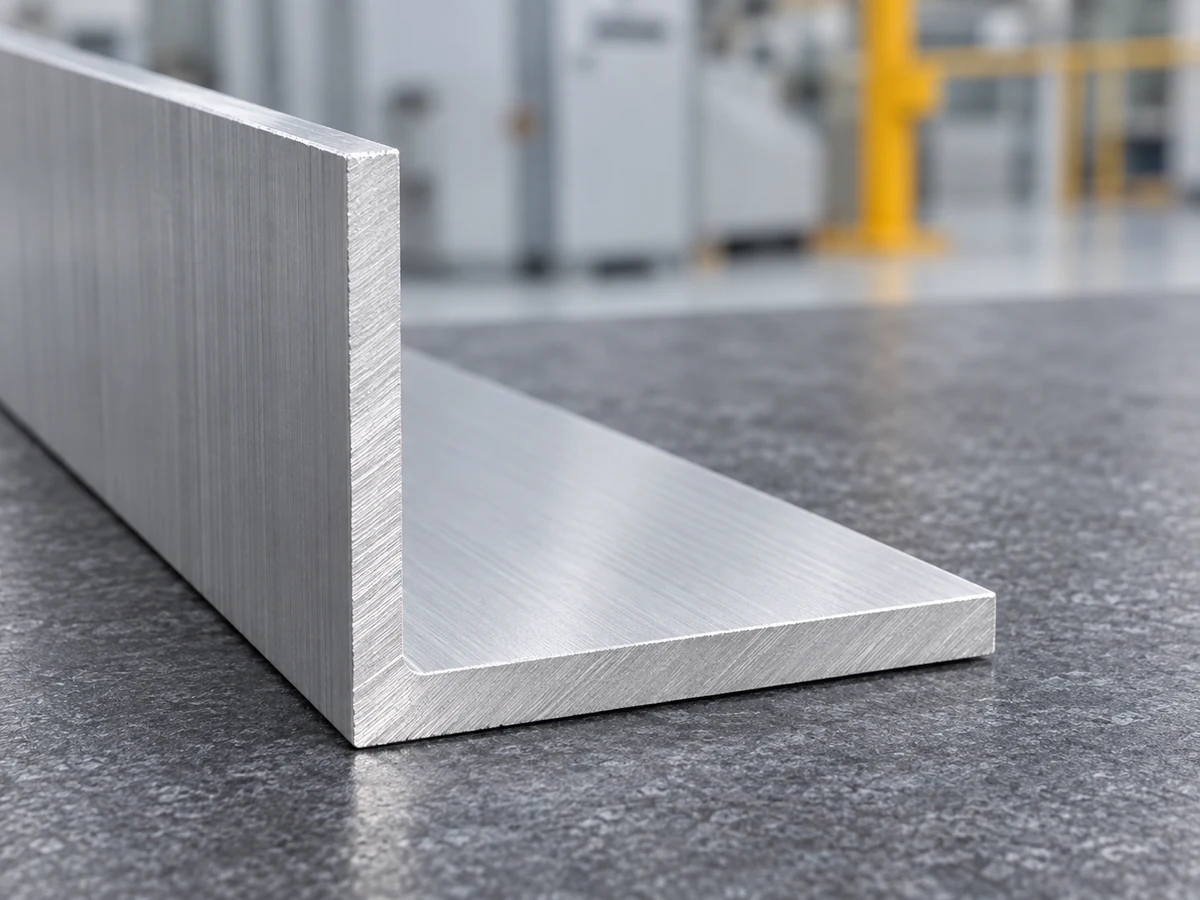
Begin with a part identifier such as a perimeter member, handle tube, corner reinforcement, or another separately purchased aluminum component. Confirm whether the actual incoming material is a straight extrusion, tube, bar, formed section, sheet-derived part, or already prepared kit. These inputs need different handling and may not all be candidates for a circular saw. A case height or carry-on designation is a finished assembly dimension; it cannot serve as a saw cut length.
Ask the design owner for a section drawing or a physical stock sample, alloy and temper if known, wall thickness range, supplied straight length, finish or protective film, and the true cut reference faces. A profile with a projecting lip or an asymmetric channel can sit differently in a clamp from a plain rectangular bar. The quotation needs the actual stock section, including the contact surfaces available to support it, rather than a photo of the closed suitcase.
Choose the purchased stage before comparing prices
Straight saw-cut blanks
The factory owns the downstream forming, machining, joining, surface treatment, assembly, and inspection that remain after straight pieces arrive. In this case the saw RFQ can cover stock loading, cut length references, batch quantity, cut-face condition, collection, and traceability. It does not cover the geometry of a finished luggage frame. State who supplies the parent stock and how offcuts are handled.
Prepared frame members or kits
A component supplier may deliver parts after bending, corner preparation, drilling, machining, coating, or matched-set sorting. The buyer’s acceptance point moves downstream. A saw can be one operation inside that supplier’s route, but the entire prepared-part price cannot be compared with the cost of cutting straight blanks alone. Ask which steps are included and which dimensions are measured at each transfer.
Finished cases or purchased mechanisms
Complete cases, locks, wheel assemblies, handles, and other mechanisms are separate procurement lines. Saw capacity does not demonstrate the ability to make those products or their interfaces. Even when a finished case is called “aluminum,” its component list does not prove that every part is an aluminum extrusion suitable for the same saw. List bought-in mechanisms and steel or polymer items outside the metal-cutting scope.
Build a drawing pack around the saw’s real boundaries
A practical RFQ pack has one line per member and revision. Give the supplier a stock cross-section, its straight supplied length, a piece drawing with the cut datum, the required piece length and allowed variation as established by your design team, the end-face requirement, the number of pieces per case, and expected batch mix. Indicate whether both ends are square, one end needs a defined angle, or a subsequent operation creates the final interface. Do not ask the saw supplier to infer an angle from a suitcase photograph.
Call out finish-sensitive faces and whether handling marks on those faces are acceptable. Identify any anodized, coated, or film-covered input as actually supplied; a finished-case marketing description is not evidence of the stock finish at the saw. Describe how nested sections, thin walls, or a protruding edge can be supported without crushing or scuffing. A stock sample and drawing matter more than a broad material label.
If several sizes share one cross-section, show each member length and quantity separately. If they use different sections, split the RFQ. Include realistic incoming straightness, bend or twist condition, and packaging. Ask for an agreed first-article check on your actual input, because suitability cannot be proved from a generic machine photograph or demonstration video.
Evaluate the equipment around your stock and output
For each candidate saw, check that the usable support and clamping envelope accommodates the supplied section in a stable orientation. Establish where the operator or feeder references the first end, how the second end is produced, and whether the programmed feed can hold the required datum through repeated pieces. Ask how short remnants are handled without assuming a universal minimum tail. A published machine travel or feed value is not automatically the usable length for your particular stock and setup.
Separate cycle estimates from acceptance evidence. A supplier may describe an automatic feeding sequence, but your purchase decision should use a documented trial plan: the actual section and finish, a representative batch, the proposed clamp contact points, sample count, measurement method, and the disposition of nonconforming pieces. Ask the supplier to state configuration changes needed for a different section or cut angle. Do not transfer a generic model’s speed or accuracy claim to a suitcase member without a matching setup and measurement definition.
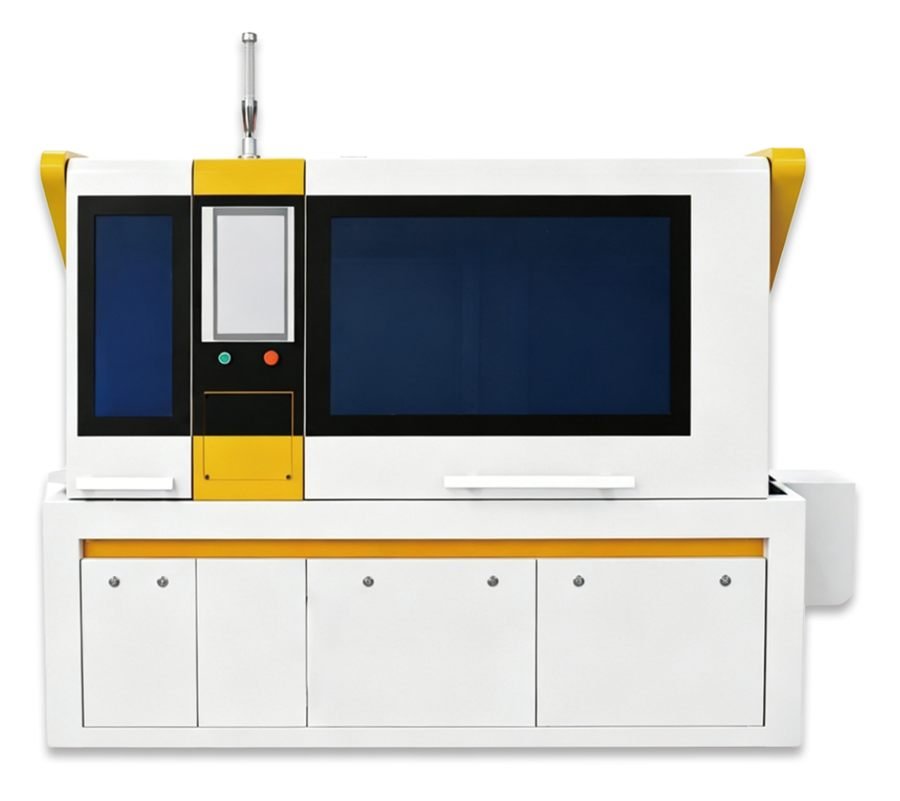
The Jiurun Machinery channel also shows general aluminum-saw operation. The clip below is useful for seeing an equipment sequence; it does not demonstrate a luggage material, case design, exact machine configuration, cut tolerance, throughput, or finished-case performance.
Set sample acceptance at the correct stage
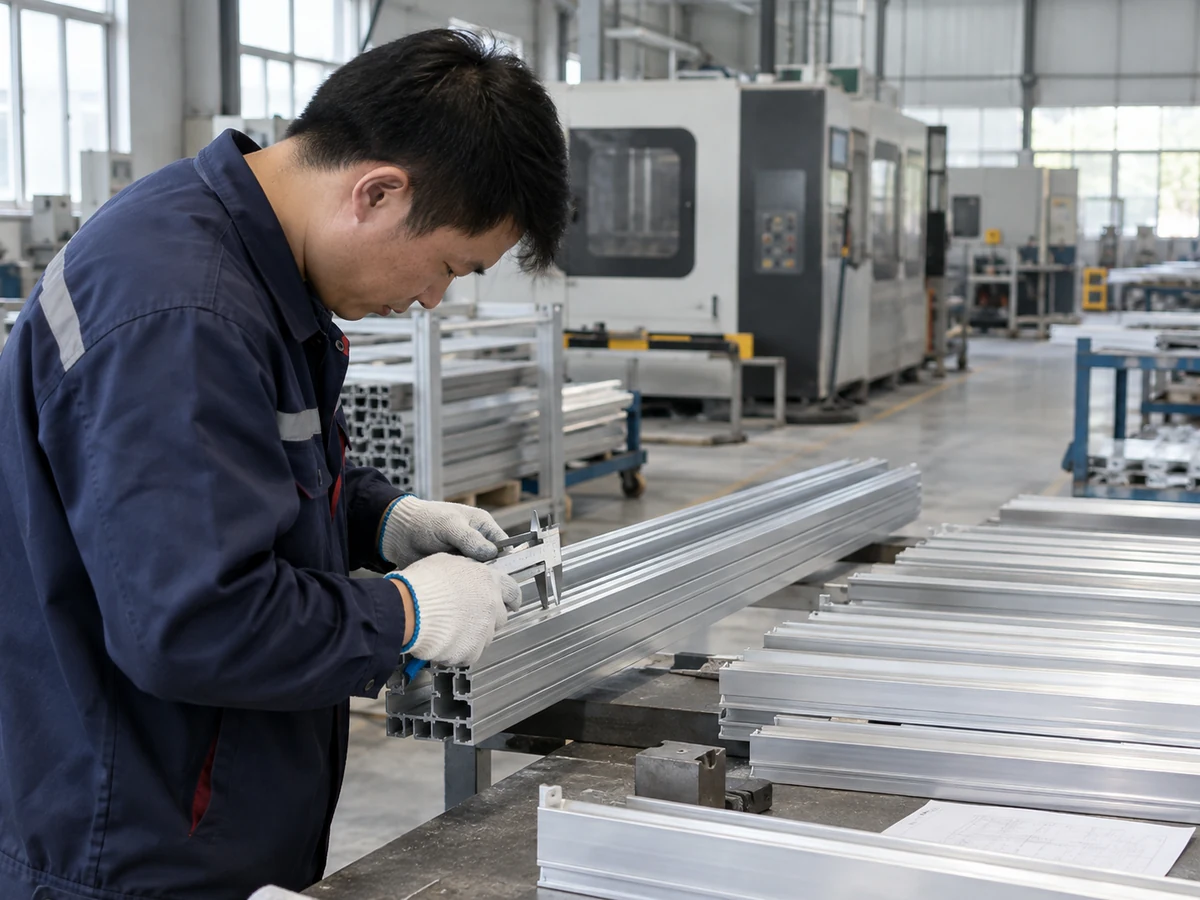
For suitcase frame member cutting at the straight-blank stage, a useful first-article report records the agreed cut length datum, sample measurements, squareness or angle where specified, burr and cut-face observations, and visible damage to protected surfaces. Record the measuring tool and reference method so that a supplier and buyer can reproduce the result. A caliper on one convenient edge may miss a different datum called out on the part drawing.
For a prepared frame kit, the supplier may also own fit, corner or hole position, finish, and member matching. Those checks belong to the prepared-part contract, even if a saw created the initial blanks. For a finished case, wheel, handle, lock, and assembly checks belong to yet another acceptance plan. Keep the three documents separate, with a named party responsible for each handoff.
Compare make-or-buy options on the same basis
For a suitcase frame member cutting investment decision, prepare three cost columns for the same production period: saw-cut blanks made in house; prepared metal members bought from a component supplier; and complete cases or assemblies bought as finished goods. For the in-house route include incoming stock, saw time, setup changes, labor, scrap and remnant handling, inspection, and all remaining forming or machining. For prepared parts include supplier processing, freight, incoming inspection, and any work still retained. For finished goods include only the assembly scope actually purchased, plus receiving and warranty responsibilities. A low cut price is not a low finished-case cost if the omitted operations are substantial.
Use the same member family, revision, forecast, and acceptance period in each comparison. Identify where a design change would be absorbed and who owns tooling or fixtures. When your factory already buys a complete frame kit, purchasing a saw may solve a different bottleneck than the one driving kit lead time. Conversely, if the buyer already owns extrusion stock and downstream machining, a repeatable blank-cutting step may be worth assessing separately.
Example: two similar requests with different saw scope
In a hypothetical comparison, Request A says “cut aluminum for a 20-inch suitcase.” The supplier does not know whether the input is an extrusion, the cut dimension, or even which member is being quoted. Request B identifies frame member LF-03 revision C, supplies its cross-section and straight-stock sample, defines two square-cut blank lengths measured from agreed faces, states which finished surfaces must be protected, and reserves corner preparation and assembly for another work center. Request B supports a meaningful saw trial and blank quote. Neither request proves the final case’s performance.
If the buyer later asks for a matched left/right frame kit, issue a revised prepared-part RFQ rather than silently stretching the original blank price. Mark which measurements transfer with the blank and which will be checked after forming or assembly. The goal is a quote that can be accepted at the actual transfer point.
RFQ checklist to send with your enquiry
- Member names, drawing revisions, material and actual incoming stock form.
- Cross-section and supplied straight lengths, plus a physical sample where possible.
- Cut datum, required blank lengths, end conditions, batch quantities, and mix.
- Protected faces, packaging, offcut ownership, and traceability needs.
- Downstream operations retained in house or bought elsewhere.
- First-article sample plan, measurement method, and acceptance owner.
- Separate prices for cutting, prepared members, and any complete assemblies.
Need to assess the cutting step? Send Jiurun the stock section, cut drawing, batch mix, and the boundary of the work you want the saw to perform through our contact page. We can discuss an equipment setup against that input; the finished luggage design and its remaining manufacturing route stay with the responsible product and component teams.