
A thermal hairbrush looks like a simple cylinder and handle, yet that appearance does not tell a manufacturer which metal parts arrive as raw stock, which arrive as prepared components, or whether a saw belongs in the process at all. For a buyer evaluating thermal hairbrush barrel cutting, the first question is the accepted supply stage: will the factory cut a separate aluminum tube or section to length, or will a supplier deliver an already formed, vented, coated, and assembled barrel?
That distinction prevents a saw quotation from being attached to work the machine will never perform. An equipment supplier can assess a defined metal blank and cut requirement. Brush design, barrel forming, hole making, coating, bristle attachment, handle assembly, heat behavior, and finished-product safety need their own owners and evidence.
Start with the retained metal part, not the finished brush size
A published brush example illustrates why material labels alone are insufficient. Olivia Garden describes a NewCycle brush barrel made from recycled aluminum. That statement identifies a material used in one product; it does not identify the barrel’s incoming form, wall geometry, cutting method, or sequence of forming and finishing. The manufacturer’s brush selection chart also discusses open-barrel thermal brush designs, but a design feature is not a released manufacturing drawing for a buyer’s own part.
Ask the brush product team for the exact retained metal component number, revision, drawing, and accepted incoming condition. A drawing of the overall brush, its nominal barrel diameter, or its bristle envelope cannot stand in for the cut blank. If the metal barrel is bought ready for assembly, a saw may have no role in that component’s in-house route. If a plain aluminum tube is bought and cut locally, the tube’s actual section and cut-end requirements become the relevant RFQ inputs.
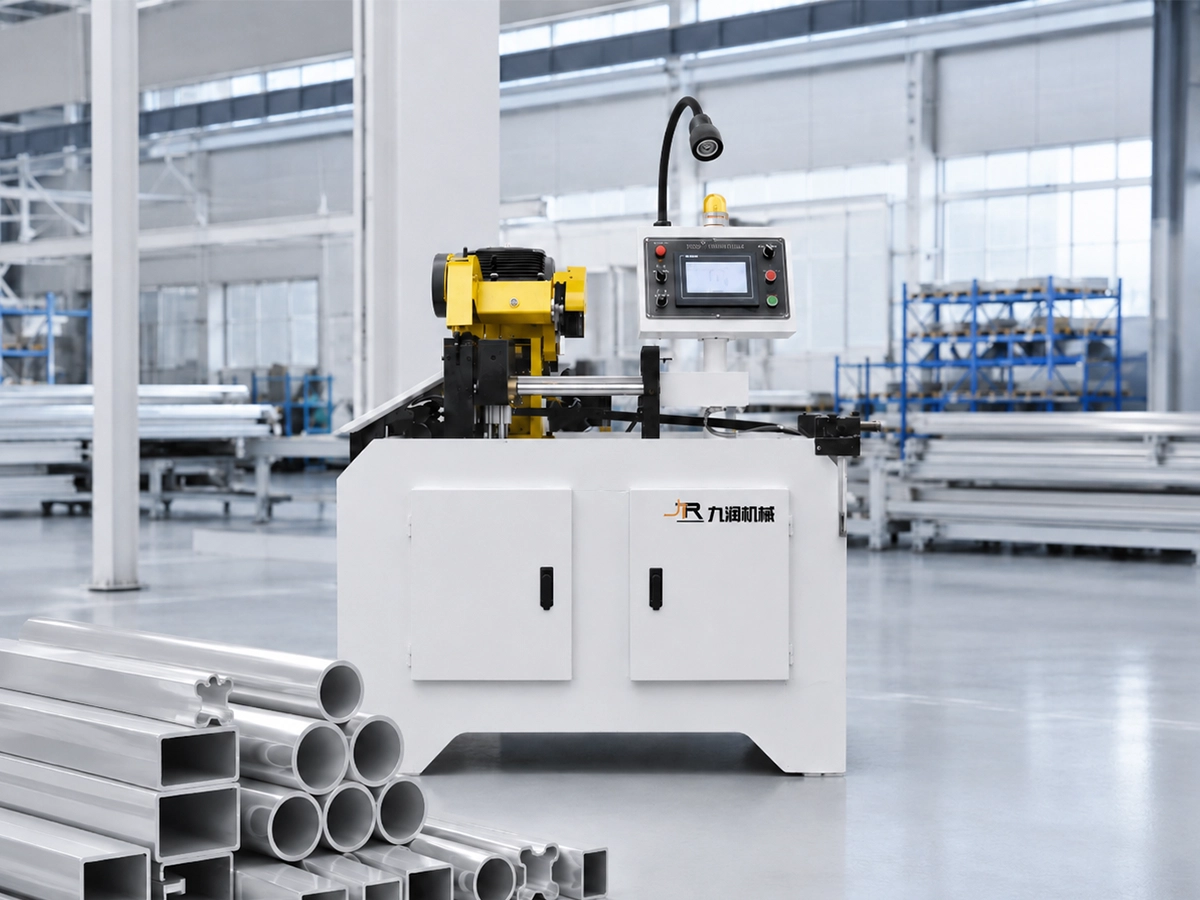
Separate four supply stages before requesting a saw quote
| Accepted input | Possible in-house question | What the saw quotation can cover |
|---|---|---|
| Plain aluminum tube or other separable metal stock | Does the plant need repeat cut lengths for a retained barrel blank? | Only a sample-based assessment of feeding, locating, support, cutting, and cut-end acceptance. |
| Formed, vented, or coated barrel | Is any cut still required, and could it affect holes, finish, or downstream fit? | Only the specific remaining cut, if the product and process owners approve it. |
| Barrel with bristles, handle, or other attached parts | Is the component already beyond the proposed saw stage? | Do not assume a metal saw can safely handle the assembly. |
| Complete purchased brush | Is any metal cutting retained by the buyer? | Usually no barrel-cutting equipment decision for that purchased item. |
These are RFQ boundaries, not a universal production sequence. A barrel can be made by different routes. The buyer should confirm the actual upstream supplier scope and the downstream operations that remain. Record outsourced forming, perforating, finishing, and assembly separately so two machine proposals are compared at the same accepted stage.
Thermal hairbrush barrel cutting: define the blank and cut end
If the plant truly receives cuttable metal stock, provide a sample and a released blank drawing. Specify the actual alloy and temper if controlled, outer diameter or other section geometry, wall thickness range, straightness, surface condition, supplied length, and batch variation. Include whether stock is circular, seamed, already perforated, already coated, or otherwise fragile. Avoid deriving these values from a catalog brush diameter: handles, coatings, end fittings, and bristles can change the finished envelope.
Then define the retained cut piece: length tolerance, allowed end squareness or angularity, burr and edge criteria, cosmetic face requirements, and the datum used for measurement. State whether a later process removes material from the end, covers it with a ferrule, or leaves it exposed. An end that will meet a handle interface can have a different acceptance test from a concealed end. The product engineer should approve the criteria; a saw vendor should not invent them.
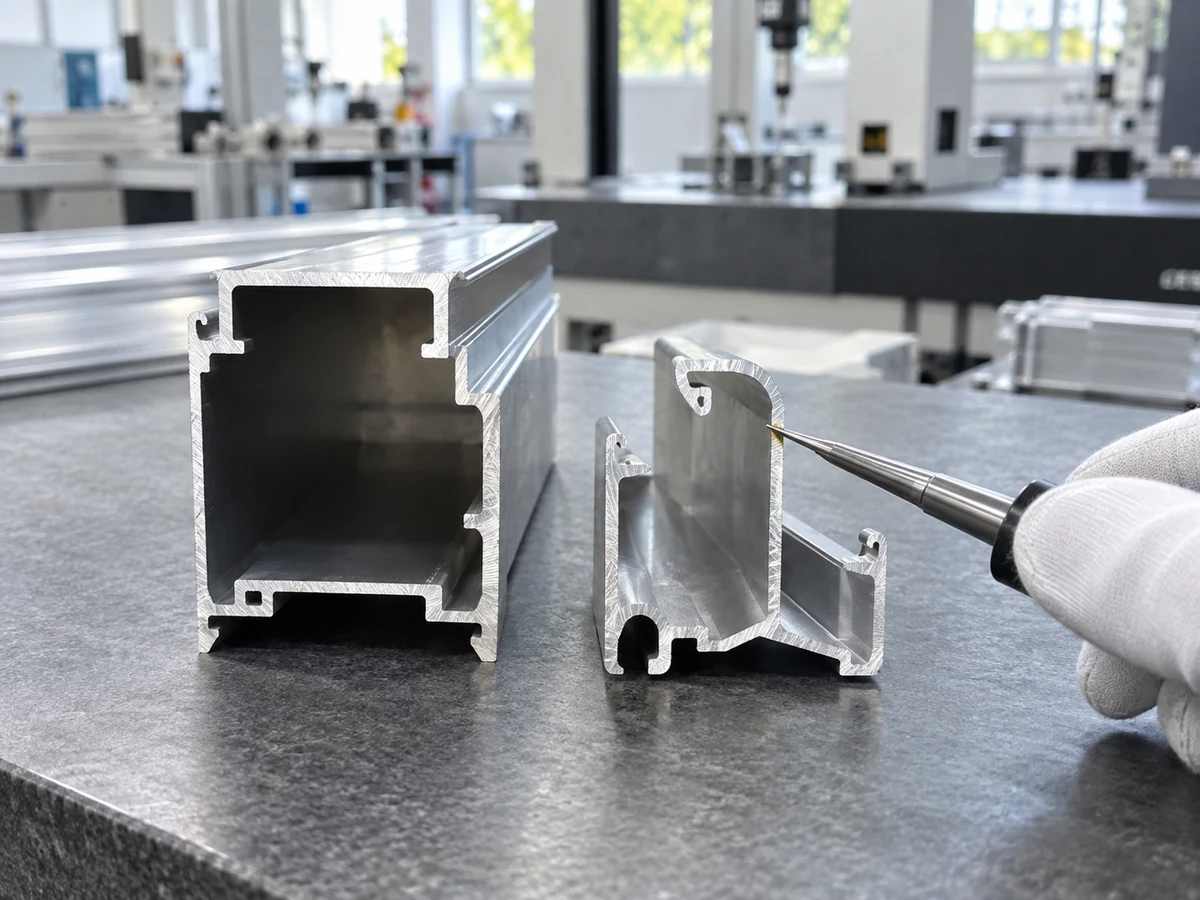
Check support and sequence before specifying automation
Thin or easily marked stock can change how a saw must locate and clamp a part. Tell the equipment supplier where the part may contact a fixture, which surfaces are cosmetic, and what deformation is unacceptable. Provide actual stock and acceptable samples for a supervised feasibility review. The RFQ should ask how the proposed process supports the section at the cut, keeps the datum repeatable, and handles the short offcut or finished blank.
The order of cutting, vent formation, coating, and assembly also matters. Cutting a plain tube before finishing raises different questions from cutting a coated or perforated barrel. The latter may need protection of the finish, hole pattern, and local wall integrity. This article does not prescribe a manufacturing order: the product and process teams must establish it from their own drawings, material, and quality plan.

Use a staged RFQ instead of a finished-brush promise
A useful RFQ packet starts with the metal component identity and ends with an agreed cut-piece acceptance method. Include the component and product numbers, revision and replacement history, actual input form, supplier scope, annual and batch quantities, cut list, material and finish condition, drawing, sample stock, downstream interfaces, inspection method, and named acceptance owner. Note any planned design change that would alter the blank or move the cut outside the plant.
Ask prospective saw suppliers to respond to the same work package: which stock and cut piece they assessed; what locating and support assumptions they made; which sample trials remain; how they would segregate good pieces and scrap; and which claims require a witnessed test. A quotation for a nominal diameter without a retained cut drawing is not a verified barrel-cutting solution.
Illustrative equipment video: the following video from Jiurun’s own channel shows general aluminum sawing equipment. It does not show a thermal hairbrush barrel, establish a model selection, or verify any brush-specific material or performance claim.
Decision: does this part need a saw?
For thermal hairbrush barrel cutting, choose a saw assessment only when the buyer retains a defined, separable metal blank and can state the required cut-piece condition. If the supplied component is already a finished barrel or an assembly, first resolve what work, if any, remains on that metal. Keep finished-brush styling, thermal behavior, hygiene, coating durability, bristle retention, and consumer safety outside the saw acceptance claim unless separate evidence addresses them.
For a component-specific review, contact Jiurun with the released metal-part drawing, a representative incoming sample, required cut length and end criteria, and the accepted supply stage. That gives both sides a concrete starting point for a feasibility discussion rather than an unsupported promise about a complete brush production line.