
An aluminum saw for wind chime manufacturing addresses one stage of a much longer supply chain: turning specified tube stock into traceable cut blanks. A buyer may instead need drilled and finished tubes, a matched tube set, or a complete hanging chime. These offers should not be compared as if they deliver the same accepted item. The useful first question is: what exactly is handed over, and who owns the remaining work?
This guide is for chime makers comparing an in-house cutting step with outside supply. It is a purchasing framework, not a tube-length formula, tuning instruction, machine performance claim, or approval of any particular design.
Start with the accepted supply stage
A retail chime makes the boundary clear. Woodstock Chimes describes one finished product as having six silver aluminum tubes plus a wood feather. That is an example of a completed product with more than cut tube. It is not a Jiurun customer, specification, or evidence that a particular saw produces that chime.
| Offer to compare | What may be included | What the buyer must still confirm |
|---|---|---|
| Cut tube blanks | Released tube stock cut and identified by part or set member | End condition, downstream hole, finish, tuning, assembly, and acceptance owner |
| Prepared individual tubes | Cut blanks plus specified later operations | Exactly which operations, inspection records, and packaging are included |
| Matched tube set | Identified members supplied together against a set revision | Matching and replacement rules; whether suspension and final sound approval are included |
| Complete chime | Tubes and purchased or made assembly parts delivered as a finished product | Who supplies the top, suspension, striker, windcatcher, packing, and final acceptance |
Ask each supplier to mark the stage on its quote. “Tube set” can mean a bundle of blanks to one vendor and an assembled, approved sounding unit to another. State the deliverable in terms of operations and acceptance records, not an attractive product photo.
Define the tube before discussing an aluminum saw for wind chime manufacturing
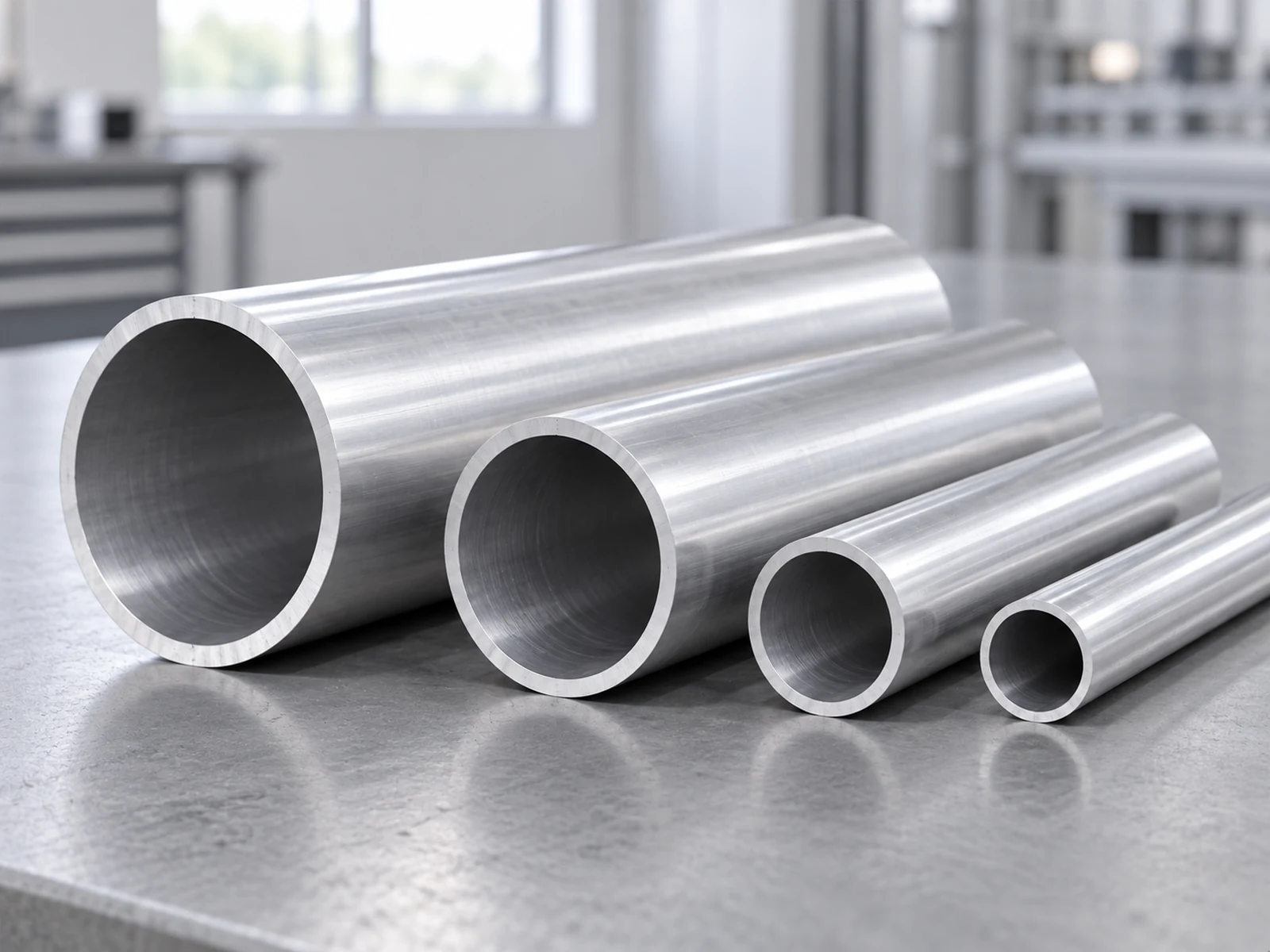
Release a tube schedule with one row per member and revision. Identify the approved alloy and temper if specified, outer diameter, wall, finish or coating state, incoming straightness and surface condition, required blank length and its reference faces, planned quantity, and the member ID. State whether the source is long mill stock, precut stock, or buyer-supplied material. Mark any dimensions or conditions that are still provisional.
The blank length is a manufacturing input; it is not automatically the hanging length or a verified sound target. Later hole location, suspension method, end treatment, tuning allowance, and assembly can change the accepted part. The design owner should release those requirements and their revisions. A saw supplier should not infer them from a photograph of a wind chime.
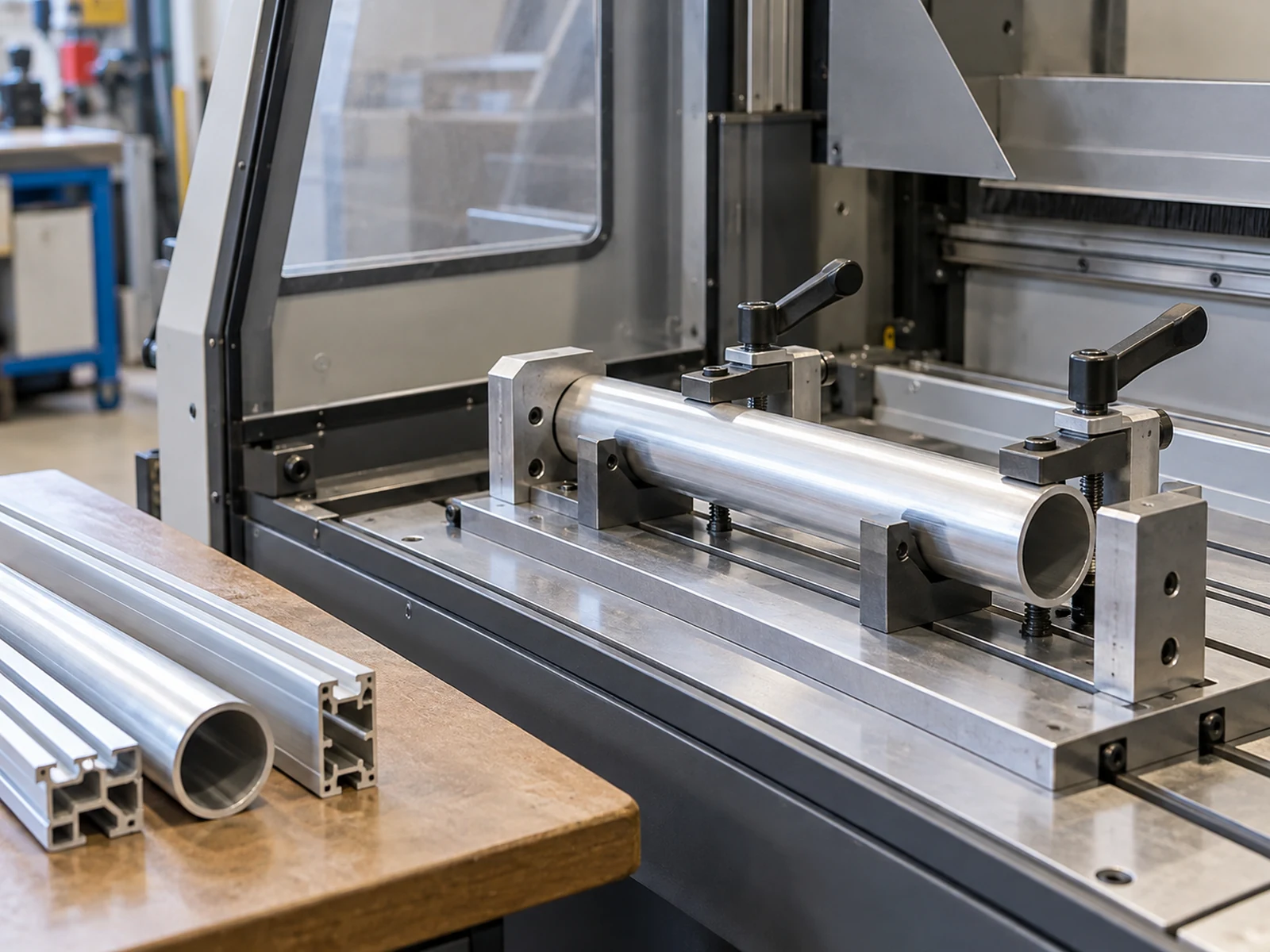
Before requesting a machine proposal, send a real sample of every materially different tube family and a drawing or schedule for the trial. If several diameters and wall conditions share the same set, include the difficult members as well as the easiest. Confirm how each size will be supported and located during feeding, clamping, and discharge; an approved result for one tube is not approval for all members.

Agree on the cut-blank acceptance test
Write a short trial sheet before running any representative stock. Record the approved stock ID, member ID, machine and fixture actually used, blade and process setup as observed, quantity sampled, measurement method, and the buyer’s acceptance limits. Inspect length from the agreed datum, end condition and burr, deformation or crush at the clamp, visible surface marking, and identification after discharge. Keep measured results by member and lot; do not replace them with a general claim that the saw “cuts aluminum accurately.”
Round tubes need stable support and repeatable location. The open section, wall, and finish can change how a clamp contacts a tube. A locating arrangement should be judged on the buyer’s physical stock and permitted surface condition. If the cut blank will be drilled or suspended later, the next operation should confirm that the cut end and length leave the required material and usable datum. Record who will resolve a failed member and whether it can be recut without losing its identity.
Separate blank yield from finished-chime yield
A low price per cut piece does not settle the buy-versus-make question. Compare accepted output at the same handover point. For an internal cutting option, include stock procurement, setup and changeover, operator time, blade and consumables, inspection, scrap and rework, storage, and transfer to finishing. For outside blanks, include freight, damage and shortage handling, incoming inspection, lot traceability, and replacement lead time. For prepared tubes or complete chimes, add the operations and components that are actually included, then remove those same costs from the buyer’s remaining-work column.
Ask for three separate counts: tubes started, cut blanks accepted, and finished units accepted. A rejected tube can affect a complete set differently from a single-piece order. Define how a missing or nonconforming member is replaced, how its set identity is maintained, and who bears the work already invested downstream. Do not treat one saw cycle, one cut length, or one clean-looking end as proof of musical matching or finished-product yield.
Use one evidence package for every quote
- Identity: set name, model or design revision, member code, material and finish state, drawing, quantity, and expected order mix.
- Scope: mark cut blank, prepared tube, matched set, or complete chime; list included and excluded operations and purchased parts.
- Acceptance: approved sample, measurement method, limits, inspection frequency, lot and member labels, and final sign-off owner.
- Flow: incoming stock length, changeovers, handling, packaging, replacement rule, delivery stage, and remaining internal or subcontract work.
- Trial: buyer-supplied stock and drawings, observed setup, sampled members, actual measurements, and unresolved deviations.
The following Jiurun Machinery video provides a general view of aluminum sawing equipment. It helps frame questions about feed, support, clamp, and cut handling. It does not show this article’s chime stock, a specified model configuration, the buyer’s trial, acoustic tuning, or accepted performance.
Choose the offer with the clearest handover
Choose in-house cutting when the production mix and accepted trial justify owning stock, setup, inspection, and downstream transfer. Choose prepared tubes or a matched set when an outside supplier can define and document those added stages. Buy a complete chime when the buyer wants responsibility for assembly and final approval to sit with one finished-goods supplier. The decision follows the accepted deliverable and evidence, not the label on a quote.
If you are evaluating the cutting stage, send JiurunCut your released tube schedule and representative stock details. We can discuss what would need to be checked on the actual material before any equipment or output claim is made. For a broader tube-cutting discussion, see our aluminum tube cutting guide.