
Aluminum hose reel frame cutting begins by checking whether the frame starts as a saw-cut extrusion at all. That distinction matters when a buyer requests cut blanks, fixture time, or a saw quotation. The first RFQ question is therefore about the frame construction and part boundary, not blade speed.
Hannay Reels’ parts-drawing index separately lists an aluminum pressed frame and an aluminum square-tube frame for different reel drawings. Titan Products describes a one-piece aluminum frame on one of its reel lines. Gorilla describes an anodized aluminum frame alongside other reel components. Those examples show why a material label alone does not establish a cutting route. They do not establish how any particular customer part is made or whether Jiurun equipment made it.
First identify the part you are buying
If the frame is one formed or pressed piece, the purchasing package may center on a formed component or a finished reel assembly. A quotation for straight saw-cut tube blanks would address a different product. If the design instead uses separate straight square-tube or extrusion members, saw cutting can be a defined upstream operation. The drawing and bill of materials must identify those members before a machine supplier can discuss a useful blank-cutting process.
Ask the frame designer for the frame assembly drawing and each member drawing. Mark which members are straight stock, which are bent or formed, and which arrive as bought-out parts. On the straight members, note stock section, alloy and temper if specified, nominal cut length, quantity per assembly, and the faces later used as locating or joining datums. A photograph of an assembled reel is helpful for orientation, but it cannot replace section and tolerance information.
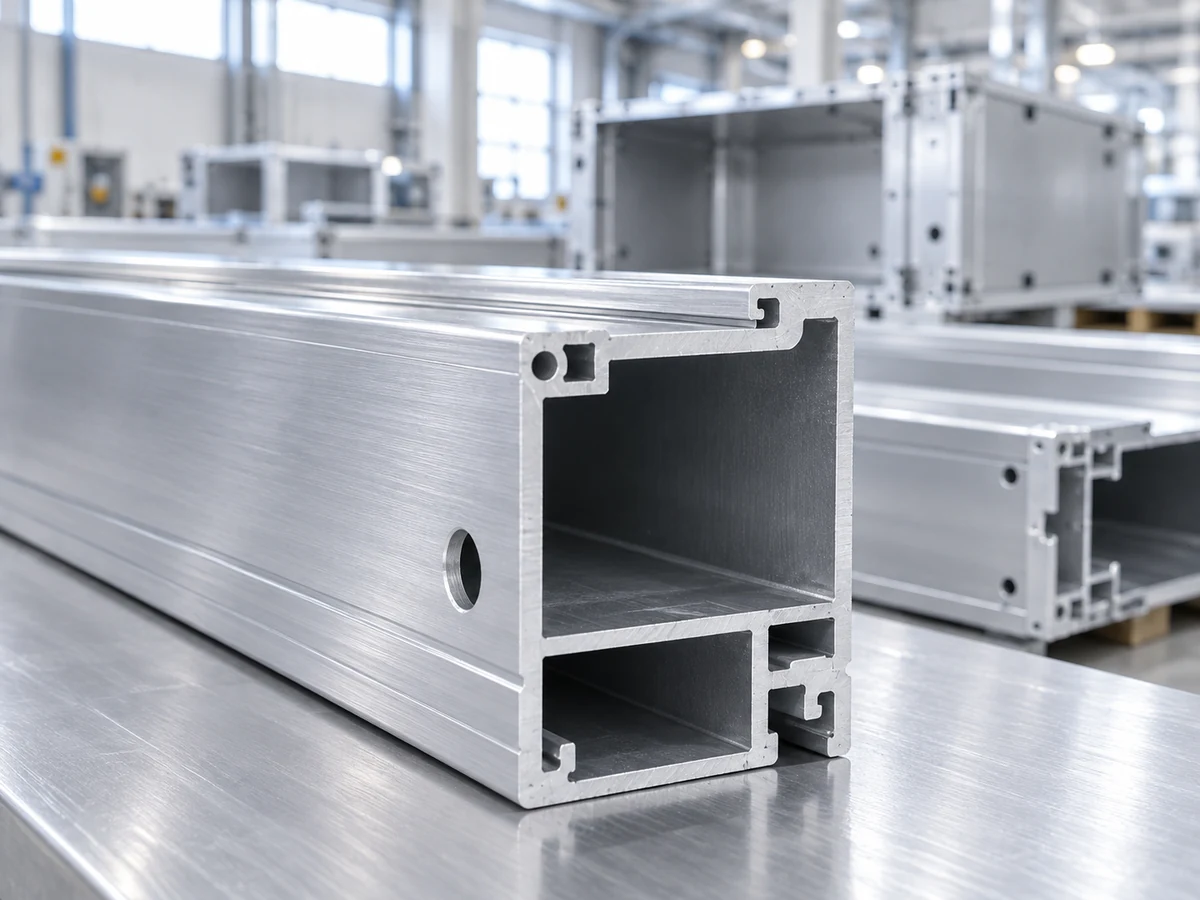
When is a saw-cut blank a useful scope?
For aluminum hose reel frame cutting, a saw-cut blank is useful when a straight member can be specified and inspected independently before drilling, machining, joining, coating, or reel assembly. Define where the blank ends and where the next operation begins. A cutting quote might include stock loading, clamping, feed, cut length control, edge condition, part identification, and packing. It does not automatically include hole patterns, welded or bolted joints, anodizing, bearing fit, hose winding, or a functional reel test.
For a square-tube frame member, the end may later meet another tube, plate, or fitting. State whether the end will be visible, welded, mechanically fastened, or machined again. Specify the allowable burr and the end-to-face condition at the datum actually used in assembly. A nominal length without its measurement method can produce conflicting inspection results, especially if the extrusion has rounded corners or variable wall geometry.
Build a cut-blank RFQ around the real section
Send a drawing or dimensioned sketch for every distinct straight member. The following fields let a cutting supplier assess handling and inspection without inventing a machine setting.
- Stock identity: section drawing, outside envelope, wall or cavity details, alloy and temper where controlled, supply condition, and any protective film.
- Part definition: finished blank length, tolerance, end angle, datum, allowed burr, and whether the cut face is cosmetic or later reworked.
- Production mix: annual and batch quantities, number of lengths or sections, expected changeovers, stock length, and allowance for first-off pieces or offcuts.
- Downstream work: bending, drilling, welding, fastening, surface treatment, and who owns each stage and its inspection.
- Acceptance: sampling plan, measuring tool or gauge, first-off approval, labeling, and packaging needed to preserve the acceptable surface.
Request a first-off sample against the actual drawing before treating a cycle-time estimate as a production commitment. Trial material, fixture geometry, blade selection, and acceptance limits should be agreed for that trial. A video of a machine cutting a different profile cannot validate your length tolerance, edge finish, or reel performance.
Fixturing and handling questions that affect the quote
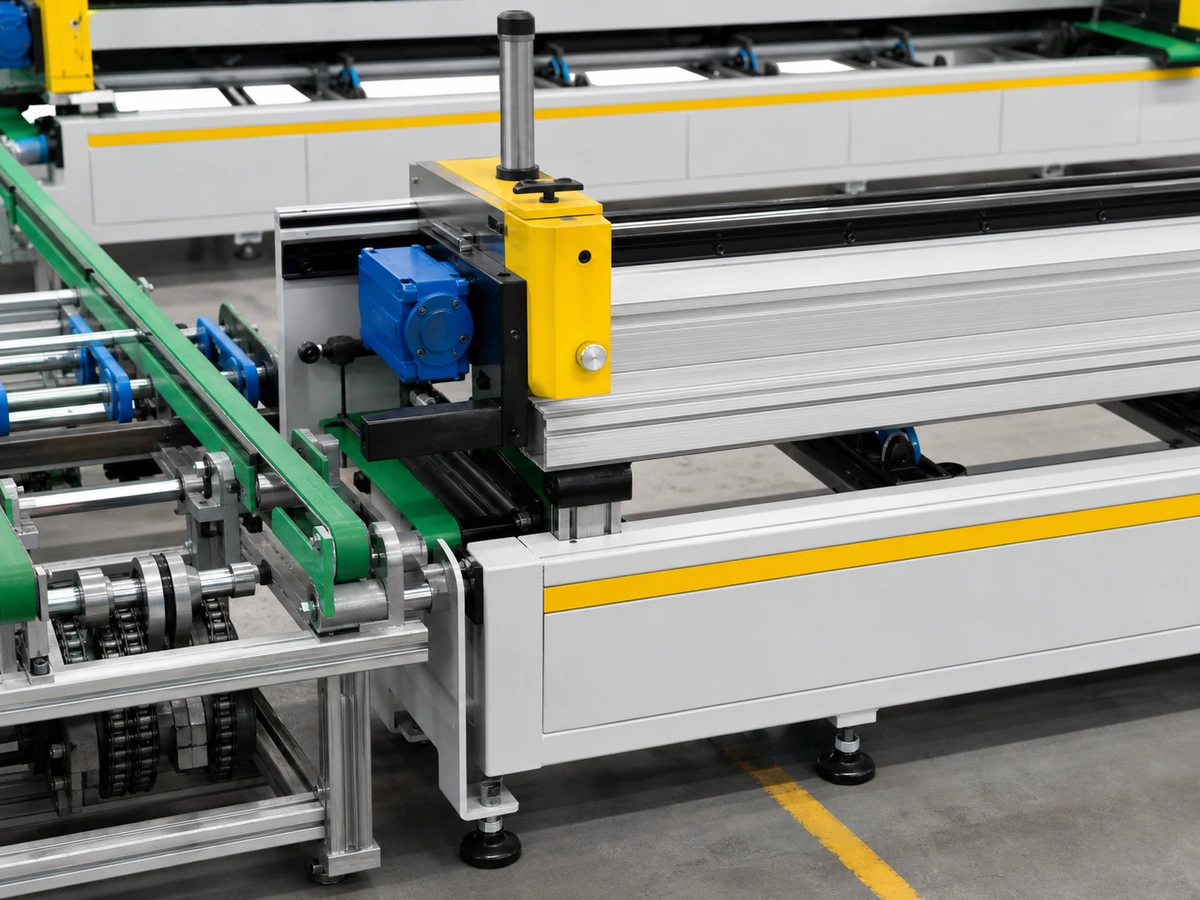
Thin-wall or hollow aluminum sections can present limited clamp area. The RFQ should show the face that may be clamped and any surfaces that must remain mark-free. State whether long stock needs guided infeed, whether the short finished member needs supported outfeed, and whether chips can lodge in cavities. A proposed fixture should hold the actual section consistently without crushing a wall or using a decorative face as an uncontrolled datum.
Jiurun makes circular sawing equipment for aluminum and other nonferrous materials. Suitability for a particular frame member depends on its drawing, material and acceptance criteria; no Jiurun model, capacity or result is established here. The related equipment view below illustrates clamping and stock positioning only.
Separate cut quality from reel performance
A cut-blank supplier can demonstrate blank dimensions and edge condition. A completed hose reel has additional interfaces: frame joints, spindle or bearing alignment, hose fittings, winding behavior, mounting, and any specified load or durability requirements. Assign those later checks to the appropriate assembly or product owner. Do not accept a clean saw-cut end as evidence that the assembled reel passed a functional test.
Handling belongs in the scope as well. If the frame members will be anodized or remain visible, agree how parts are separated, labeled, and transported after cutting. A protected batch still needs verification against the buyer’s actual cosmetic criteria; protective packing is a process choice, not proof that a finished surface meets them.
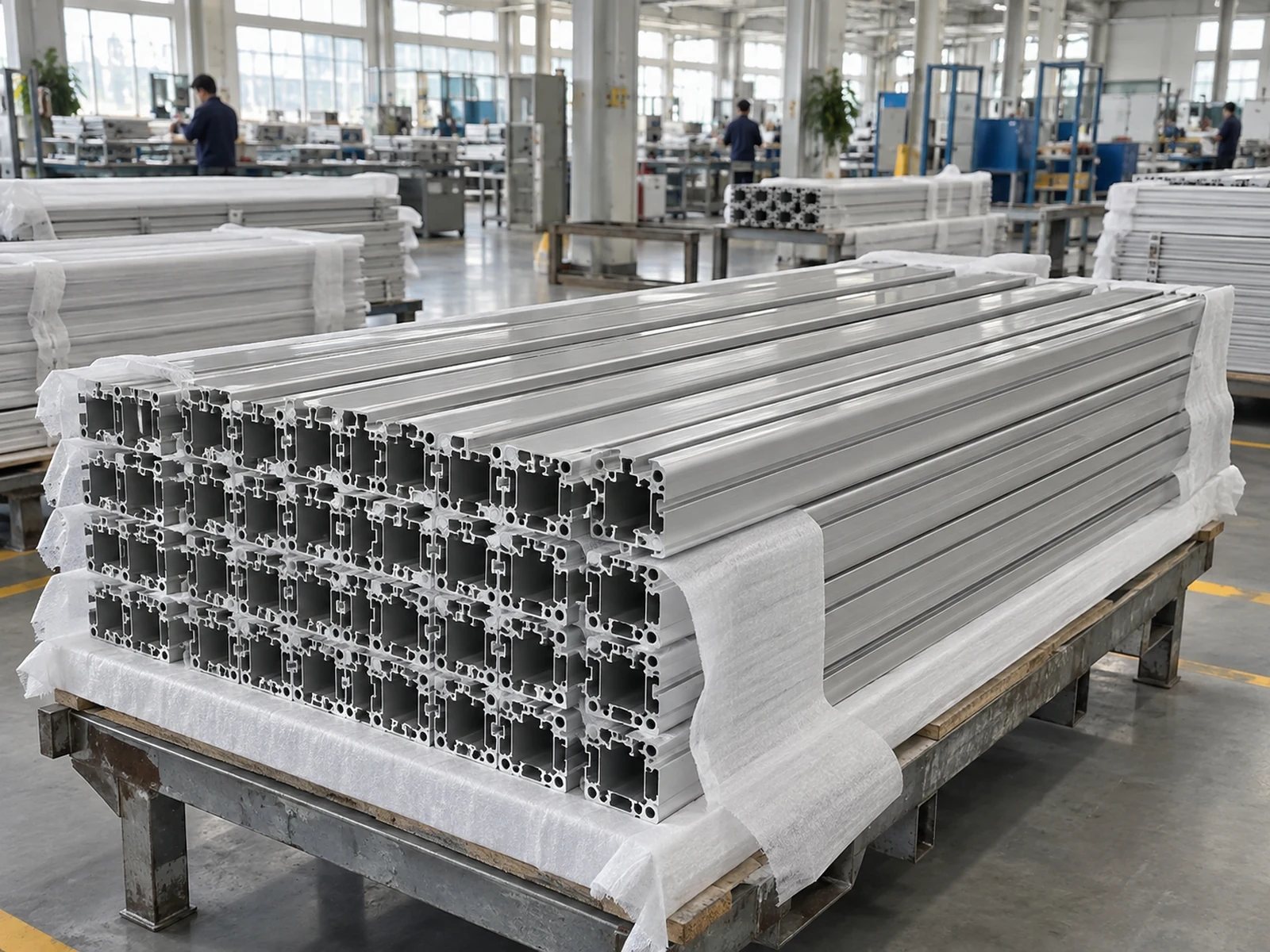
A decision path for buyers
- Confirm construction. Is the frame a one-piece or pressed component, or does its BOM call out separate straight members?
- Define the purchasing boundary. Are you buying stock cuts, machined members, joined frames, or completed reels?
- Verify the section and datums. Obtain the member drawing and identify clamping, measurement, and joining surfaces.
- Run a drawing-based trial. Approve a first-off blank against the specified length, angle, burr, and cosmetic limits.
- Assign final tests. Keep frame assembly and reel function acceptance separate from blank cutting acceptance.
Two quotations labeled “aluminum hose reel frame cutting” may therefore cover very different deliverables. Compare them by part number, operations, inspection, scrap allowance, packing, and responsibility for downstream work. If the drawing describes a one-piece frame, ask for the appropriate formed-part or assembly quotation instead of forcing a saw-blank price onto it.
Related equipment demonstration
The Jiurun video below shows an aluminum-angle saw in operation. It is a related equipment demonstration, not a hose reel frame trial, a named customer application, a model recommendation, or evidence of the tolerances discussed above.
Send a drawing for a useful cutting discussion
If your hose reel design has separate straight aluminum members, contact JiurunCut with the section drawing, cut list, tolerance and edge requirements, batch size, and downstream process. We can discuss whether an aluminum saw-cut blank is a sensible scope and what material is needed for a representative trial. If the frame is formed as one piece, identify that construction first so the RFQ reaches the right process.