
A laboratory service spine can look like a simple aluminum upright or rail in a cutting drawing. In the installed system, it may also carry removable covers, power and data modules, gas outlets, shelving, lighting, or mounting hardware. That distinction changes what an OEM should order from a cutting supplier. A cut extrusion blank is a component; it is not a completed laboratory utility system. This guide turns that distinction into an RFQ for the cut length, end condition, inspection, and handoff.
Define the procurement boundary before quoting a cut
Start by identifying the deliverable. Is the buyer purchasing a complete service spine from a laboratory furniture supplier, an extrusion cut to an approved drawing, or a prepared section that will receive holes, covers, and service modules later? These are different scopes. For example, Westlab Spaces describes a configurable service spine with utility and accessory options, while PG LifeLink describes extruded-aluminum service pedestals that can be supplied at different stages, from cutouts to prewired assemblies. Those are examples of system suppliers’ offerings, not specifications for a JiurunCut part.
If the requirement is only for cut aluminum, say so in the RFQ. State who owns the extrusion design, approved die/profile revision, utility segregation, electrical or gas installation, final assembly, and compliance review. A saw shop can discuss cut geometry and handling against a drawing; it cannot certify a finished laboratory service system from a photograph or a length callout.
Send the actual section, not just a nominal envelope
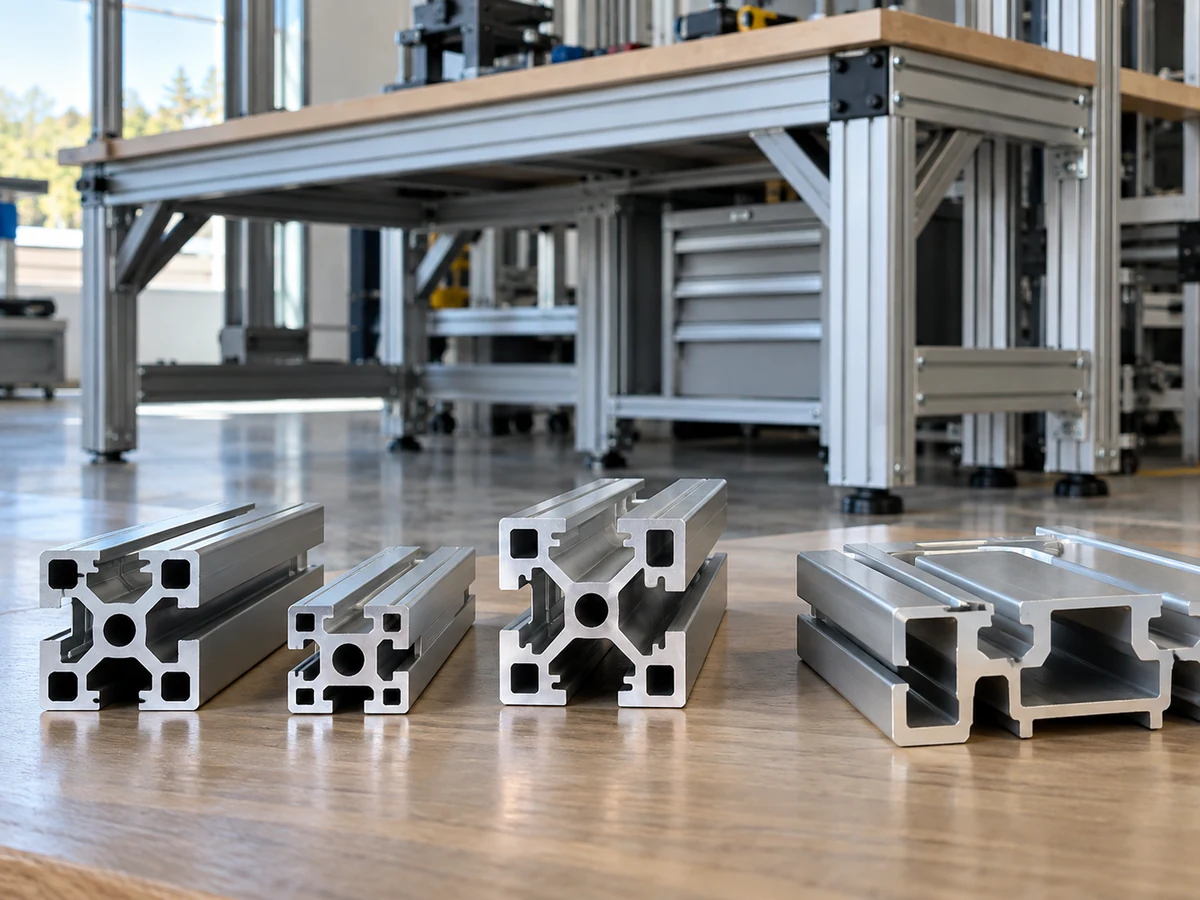
Two extrusions with the same outside width and height may cut and assemble differently. A service spine may have an open face for covers, internal walls for separated services, sliding rails, thin lips, or mounting grooves. KPD’s compact service spine, for instance, describes compartments and removable cover interfaces specific to its own design. An OEM cut-part RFQ should therefore include a dimensioned section drawing or approved CAD file, alloy and temper, stock finish, wall and lip details, and the revision that controls the order.
Mark the functional faces on that drawing. Identify which face must stay unmarked for a cover, which channel is used by a sliding plate, which side contacts a bench frame, and which cut end will be visible. If the profile is asymmetric, show left/right or top/bottom orientation. Specify whether the saw may clamp across a visible face or narrow cover lip, and whether a sacrificial interface is needed. The correct support and clamp plan depends on the real profile and its finish, so it should be reviewed with a sample rather than assumed from the word “aluminum.”
Translate assembly needs into cut-end acceptance
A useful cut drawing defines the length datum, permitted length variation, squareness or angle requirement, and the end features that matter in assembly. A cover that stops against an end cap may make end-face burrs more important than a hidden frame joint. A ceiling-hung spine and a bench-mounted spine may use different attachment details. Specify the mating part or inspection gauge where it clarifies the requirement, and distinguish a cosmetic edge requirement from a fit requirement.
Also say whether later machining will create outlet openings, fixing holes, or cable entries. The cutting quote should not silently include drilling, milling, deburring of downstream openings, assembly, wiring, or gas work. If a prepared section is required, list those operations separately with their own drawings and acceptance criteria.

Make the first-off review useful
Before releasing a batch, ask for a first-off cut from the approved profile and finish. Review overall length at the agreed datum, the end-face condition, any lip deformation, and the fit of a representative cover or connector where the buyer can provide one. Photograph the critical faces and record the drawing revision and stock lot. This makes a dispute about “acceptable cut quality” easier to resolve than a generic pass/fail statement.
For repetitive lengths, request a simple inspection plan: first piece, periodic in-process checks, and a final sample or lot record. Agree who supplies the gauge and what happens to nonconforming pieces. Do not infer achievable tolerance, throughput, or yield from a machine video; those values require a trial with the buyer’s actual section and acceptance criteria.
Protect the interfaces through packing and handoff
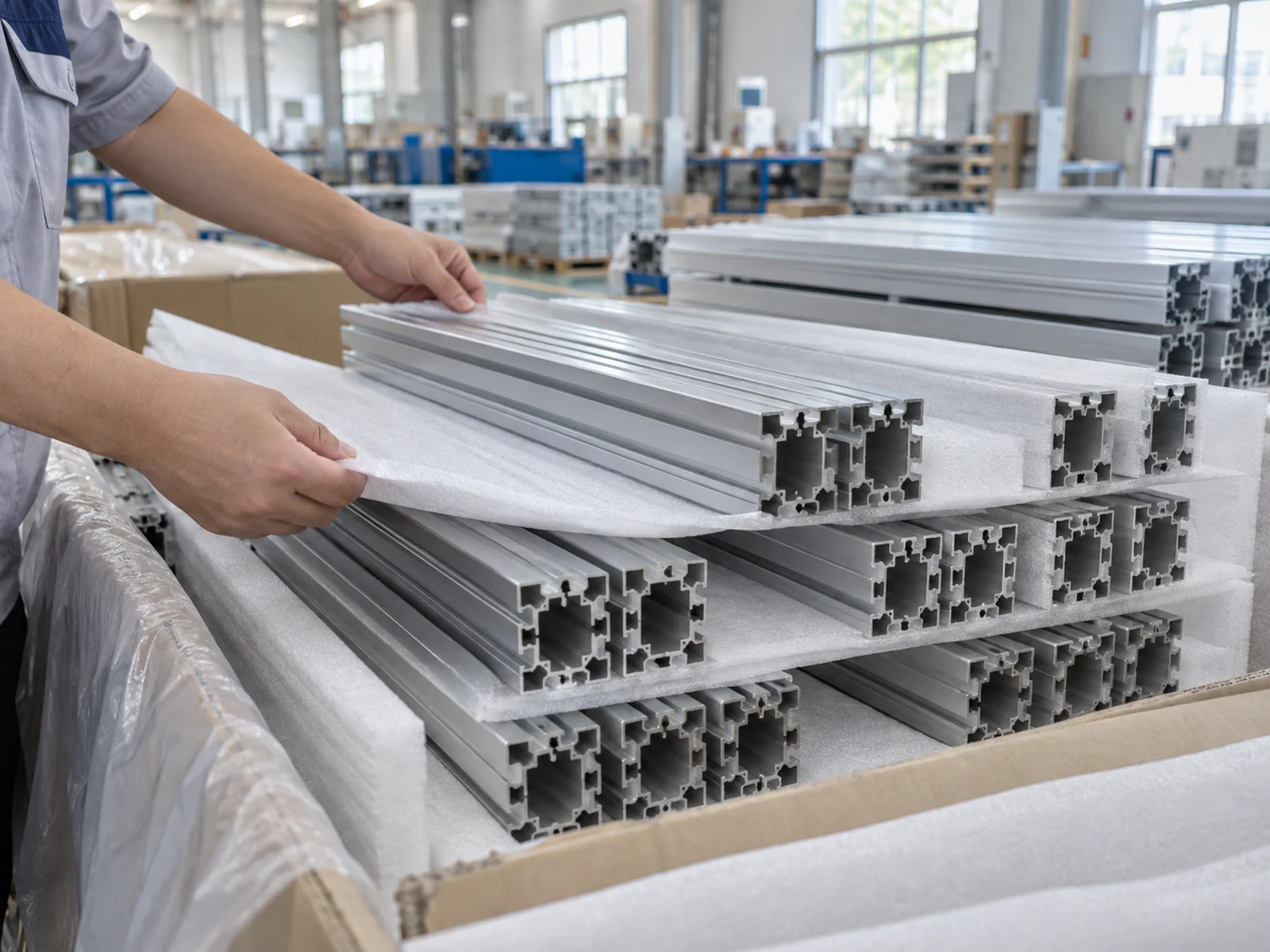
Thin cover rails, visible faces, and open cavities can be damaged or contaminated after cutting. State whether cut ends need edge protection, whether profiles must be separated to prevent metal-to-metal rubbing, and whether an open channel must be kept free of loose chips. Give packaging units, label format, part number, revision, length, quantity, and lot identification. The receiving team should know which orientation and end is the datum before it fits covers or utility modules.
Compare three supply routes at the same handoff point
Buy a complete spine system when the supplier must own the approved utility configuration, covers, mounting, integration, and applicable product documentation. Buy cut extrusion blanks when the OEM already owns the profile drawing and downstream finishing and assembly. Cut in-house when the OEM can control setup, fixturing, inspection, and packaging at the required volume. Compare prices only after each route reaches the same accepted handoff stage; a bare blank should not be compared with a provisioned, installed spine as if they were interchangeable.
What to include in a cutting RFQ
- Approved profile section and revision, alloy/temper, finish, stock length, and material supply responsibility.
- Part numbers, required cut lengths, quantity per length, release schedule, and forecast batch size.
- Length datum, end angle or squareness, burr/edge requirement, visible faces, cover lips, and allowable handling marks.
- Representative mating cover, cap, bracket, or gauge for first-off review, if available.
- Any separate drilling or milling operations, with drawings and responsibility clearly assigned.
- Inspection frequency, records, nonconforming-part handling, packaging, labeling, and delivery point.
Send the real section drawing and an assembly-critical sample with your inquiry. Contact JiurunCut to discuss a cut-part workflow and the checks a trial should answer. Any machine selection or performance claim should follow review of the actual profile, finish, batch plan, and acceptance limits.
Related equipment footage
The following Jiurun Machinery video shows a related aluminum-cutting equipment scene. It is general process context, not footage of the laboratory service-spine sections, a customer order, a trial cut for this RFQ, or proof of a specified result.