
Camera slider aluminum rail cuts are a sensible saw quotation only when the buyer actually receives cuttable aluminum stock and keeps the rail blank-cutting operation in-house. A complete slider may also contain machined guide faces, bearings, a moving carriage, end stops and camera mounts. Its published overall length or camera travel is not a raw rail cut length. Start the RFQ with the released rail member and the boundary between cutoff and all later operations.
This guide addresses industrial production planning, not camera-motion design, load certification or the performance of any named slider. A product engineer must approve the final guide geometry, surface treatment, bearing interface and assembled motion. Jiurun can review a supplied stock-and-cutting brief for its industrial aluminum saw equipment; the buyer must first identify which component is actually being cut.
1. Camera slider aluminum rail cuts: choose the supply route
There are at least three different purchase routes. A factory may buy a finished slider, buy a machined and surface-treated rail, or buy extrusion or bar stock and retain some blank cutting and finishing. Those routes should not share one quotation line. An aluminum saw affects only the retained cutoff step, not the motion-system performance of a purchased assembly.
For a concrete market distinction, Proaim describes the Flyking camera slider rail as an extruded, one-piece machined aluminum member. Igus offers a hard-anodized aluminum double round rail for camera-slider use. These are public product examples, not Jiurun customer projects, approved cut profiles or evidence that their finished rails were made on a Jiurun saw. The public product dimensions do not establish a buyer’s incoming mill-stock form or blank length. See the Proaim product description and igus rail specification.
| Supply route | What the buyer should ask | Where a saw RFQ fits |
|---|---|---|
| Complete slider | Which finished assembly and operating specification are approved? | Usually no in-house rail cutoff to quote. |
| Finished guide rail | Are machining, coating, holes and end details already supplied? | Only if the rail supplier explicitly leaves a separate cut operation to the buyer. |
| Raw extrusion or bar | What stock arrives, what is the released blank, and who owns later finishing? | Quote the defined blank-cutting operation and its acceptance test. |
2. Freeze the actual cross-section and incoming stock condition
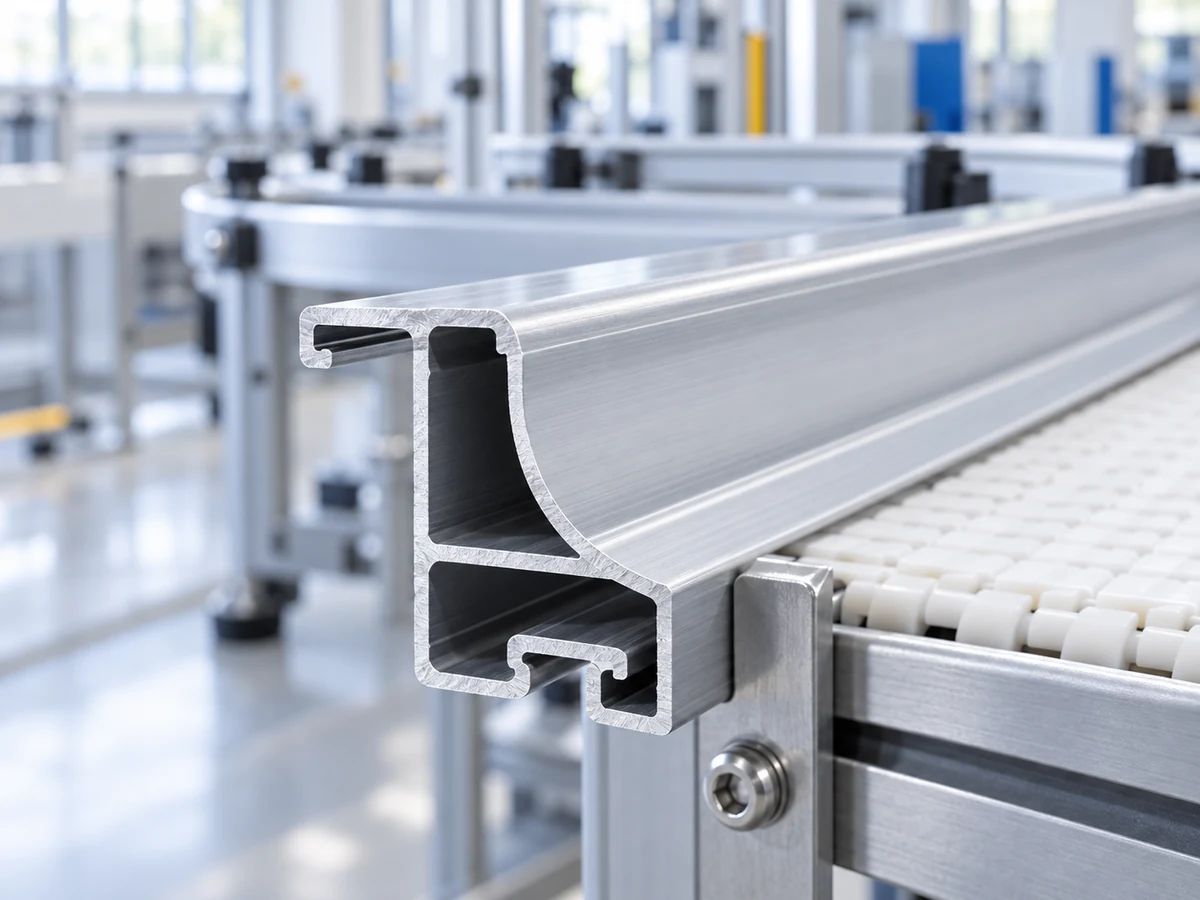
Ask for the current part number, drawing revision and cross-section with all slots, bores, webs, guiding faces and end features identified. State whether the incoming material is an extrusion, solid bar, tube or a partly machined guide. Record alloy and temper from the purchasing document, actual stock length range and straightness condition, and whether the surface is bare, protected, anodized or otherwise finished when it reaches the saw. A photograph of an assembled slider is not a substitute for the stock drawing.
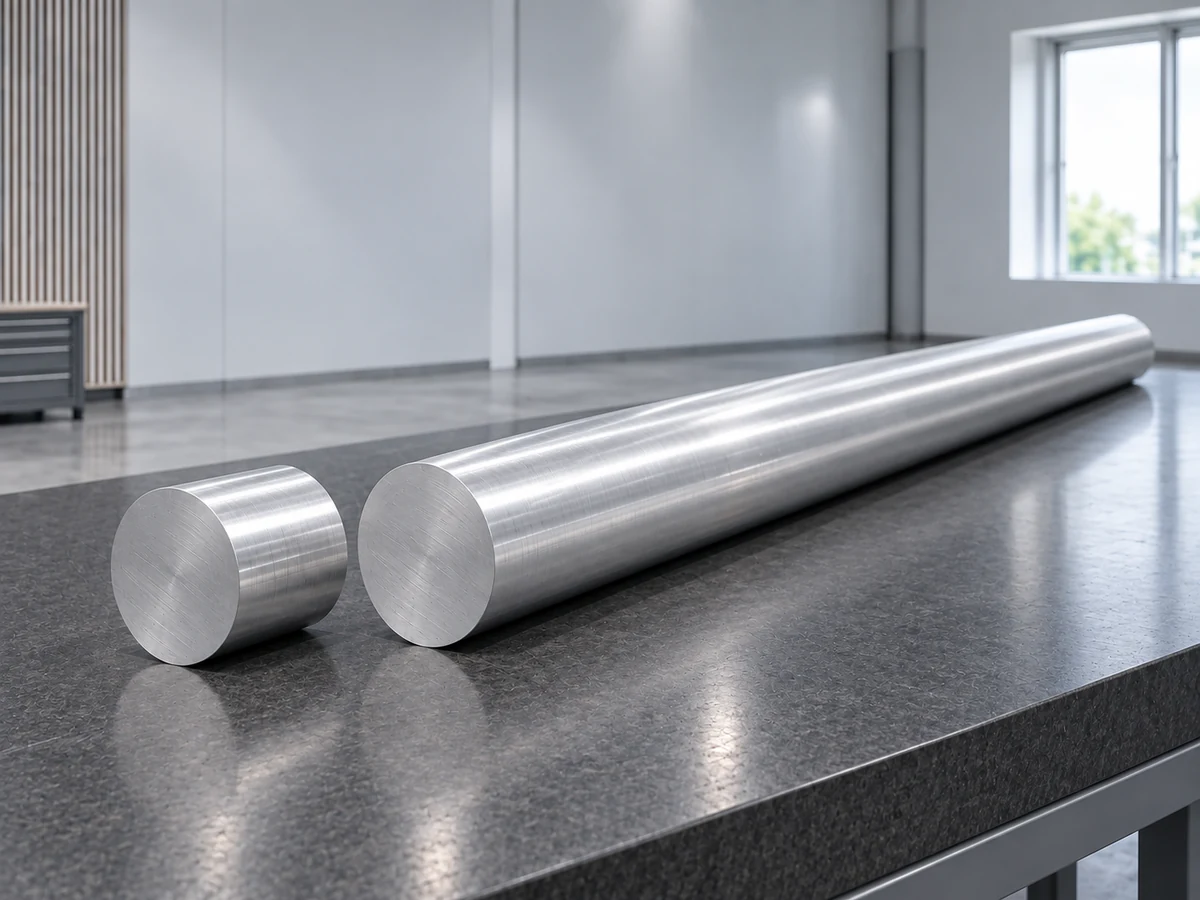
Round guide rods and profiled one-piece tracks create different workholding problems. The side used to locate an extrusion may be a feature that later controls carriage alignment; a round rod may require a different cradle and anti-rotation plan. The manufacturer of the motion system must identify these functional surfaces. Jiurun should not infer an acceptable clamp face from a marketing photograph.
3. Convert assembly dimensions into a released blank datum
Keep four lengths separate: the complete product length, usable camera travel, finished rail length after downstream operations, and the raw cutoff blank length. A carriage can stop before either rail end, while end blocks and support hardware can change the assembly envelope. Neither published travel nor the product’s nominal size can be copied into a saw stop setting.
The released drawing should specify the blank reference face, measured end-to-end location, squareness or angular requirement if relevant, material allowance for subsequent machining, and the inspection method. Identify whether both ends are cut, whether one end is already prepared, and whether a datum is reset after any later drilling or milling. A purchase order that says only “cut to slider length” leaves too many interpretations for a reliable sample approval.
4. Protect guide surfaces while locating and cutting
Identify the surfaces that contact wheels, bushings or linear bearings and mark which may be clamped. A rail can pass a length check yet fail downstream assembly because a contact face is dented, burred, scratched or contaminated. Decide in advance whether protective film is compatible with the clamp and whether chips can enter grooves or internal cavities. Define the allowed handling and deburring sequence, especially when coating or final machining follows cutoff.
The saw supplier can propose a support and clamping concept after seeing the real section and stock. That proposal still needs a part-specific trial: verify that the rail is supported near the cut, does not rotate or bow under the chosen hold-down, and can be removed without damaging a functional face. Do not borrow a tolerance claim from another profile, machine model or feed-repeatability figure as proof of finished guide performance.
5. Assign the downstream operations to named suppliers
List the steps after the blank leaves the saw: end milling, drilled or tapped holes, recessed features, straightening, anodizing, deburring, cleaning and final carriage assembly as applicable to the released design. Put an owner and incoming/outgoing acceptance condition beside each step. Some buyers receive a finished guide and have no blank-cutting step at all; others cut an oversized blank so a machining supplier can establish the final end datum. The route changes the required saw tolerance and the value of owning a cutter.
Where several slider sizes share a section, provide the real mix of lengths and quantities. Where several rail sections share a marketing product family, provide a section-by-section list rather than a generic “camera slider aluminum” label. That lets the supplier evaluate changeover, stock support and offcut handling without inventing a configuration.
6. Design a representative saw trial before claiming capability
Choose actual incoming stock from the approved supplier, not a visually similar spare section. Include the shortest and longest released blanks, the most delicate guide or coated face, and the lowest and highest practical batch quantities. Before cutting, agree on the datum, measurement instrument, acceptance limits, number of first-off and repeat pieces, permitted burr or surface condition, and who signs the result. Keep the trial record tied to the material batch, drawing revision and exact machine setup.
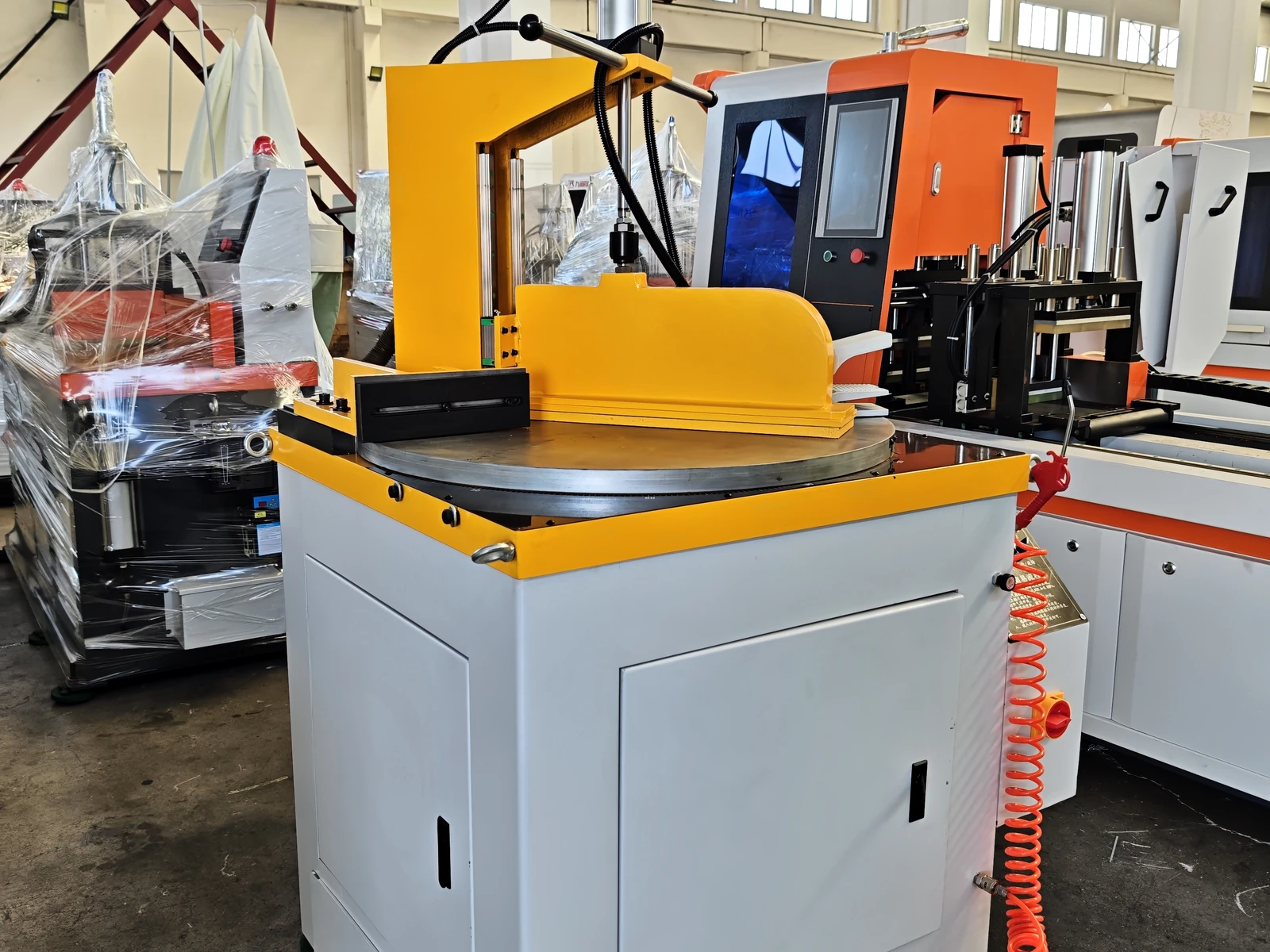
A machine photograph or general cutting video can show how equipment is arranged, but cannot certify this rail’s result. Jiurun has multiple saw models and options; model choice should follow the actual section, cut direction, loading route and target process, not a generic video or a claimed universal precision. The Jiurun product range is a starting point for a configuration discussion, not an automatic recommendation for this part.
7. Send a quotation pack that separates facts from assumptions
For a useful RFQ, send the released rail and assembly drawings; part and revision IDs; material, alloy and temper; actual stock and finish condition; stock and blank length ranges; required end condition and protected faces; all downstream operations; batch mix and annual demand if known; available plant space and loading direction; and the proposed sample acceptance method. Identify missing information explicitly rather than allowing a vendor to silently choose it.
Ask for a quote that states the assumed machine configuration, fixture and stock support, what a representative trial will test, what remains outside the saw scope, and how a design or incoming-stock change triggers review. Compare a complete-slider purchase, finished-guide purchase and in-house blank-cut route on the same process boundary. A lower saw price does not settle the decision if another route already supplies the guide’s critical geometry and surface.
Watch a general equipment example
The Jiurun channel video below shows a JR455CNC aluminum-cutting machine as a general equipment example. It does not show camera-slider rail stock, this article’s buyer, an approved configuration, a specific trial or achieved guide-rail performance.
Request a rail-specific cutting review
If your factory retains aluminum rail blank cutoff, send Jiurun the released rail section, actual incoming stock, cut list and acceptance criteria. Ask the team to state its machine and fixture assumptions, then confirm them with a trial on your own material before treating any cutting result as approved.