
An aluminum saw for bicycle pump manufacturing belongs in a factory only when the factory actually receives nonferrous stock and retains a blank-cutting operation. A bicycle pump can contain aluminum, steel, wood, polymers and bought assemblies; the finished product name does not identify the incoming form for any one component. Before buying cutting equipment, separate the released metal blanks from prepared components and complete pumps, then compare the alternatives at the same accepted receiving stage.
This guide is a purchasing framework for a floor-pump component route. It does not prescribe pressure-vessel design, bore finishing, seals, valve compatibility, gauge calibration or inflation testing. Those remain with the responsible product and process engineers.
Aluminum saw for bicycle pump manufacturing: where it fits
A saw may prepare an identified aluminum barrel, handle or base blank before further manufacturing, provided the approved part actually arrives as cuttable stock. Some items may arrive already machined, finished or assembled. For those items, another cutting pass may create unnecessary work. Ask the component owner for a controlled drawing, revision, material specification, supplied state and the next receiver’s blank acceptance criteria. Do not infer a cut length from a retail pump’s overall height or working stroke.
Manufacturer examples show why material allocation matters. Lezyne’s Alloy Floor Drive 3.5 lists an aluminum barrel and base, a steel piston and a wood/aluminum handle. Its Steel HV Floor Drive 3.5 instead lists a steel barrel and piston with an aluminum base. These model descriptions identify component materials; they do not disclose the stock form, saw operation or production route for a different manufacturer’s pump. A quote must start with the buyer’s actual input.
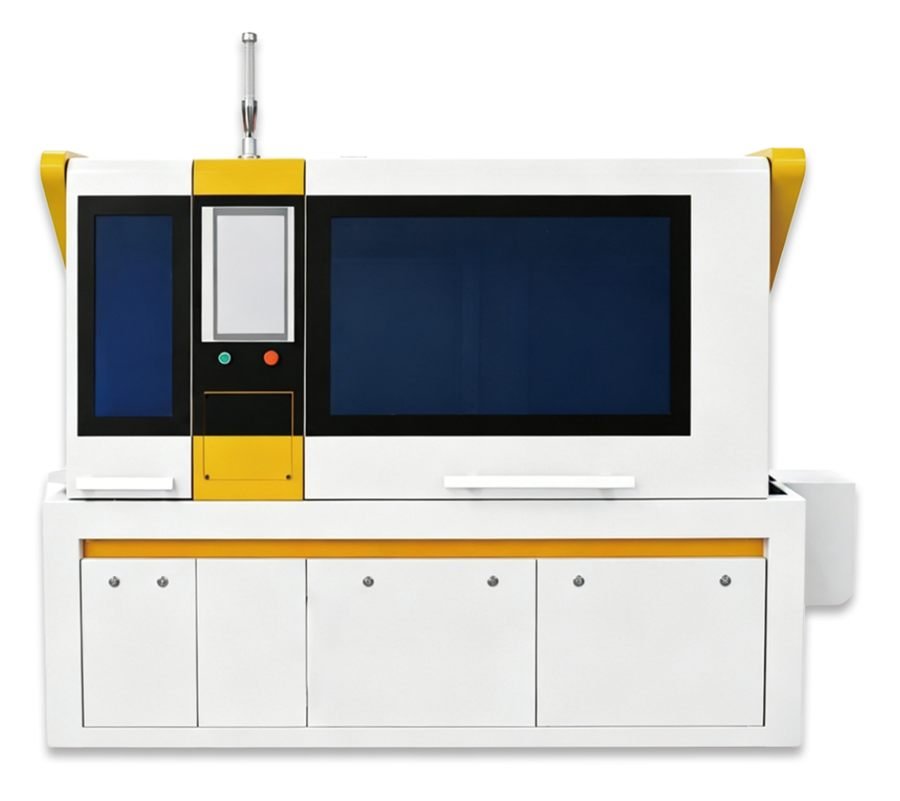
Seven component RFQ checks
1. Make the retained-versus-supplied map
List every component by approved pump model and revision: barrel, piston, base, handle, hose, connector, gauge and any bought assembly. Mark whether your factory makes it from raw stock, buys a prepared component, or buys the complete pump. An aluminum base in a finished product does not automatically create a base-cutting job; a supplier might deliver it prepared. Keep steel parts outside an unverified nonferrous saw proposal. Identify replacement-part demand separately from complete-pump orders so neither disappears in capacity planning.
2. Specify the actual physical input
For each retained aluminum job, record alloy and temper, delivered section, dimensions, straightness and surface state. Is it hollow tube, solid bar, an extrusion, a casting, or an already prepared piece? Is a barrel’s circular outside made from tube, or by machining a different input? The part shape alone cannot answer. Give the vendor stock photos and a drawing of the supplied condition, and flag any oil, anodized finish, attached component or cosmetic surface that affects contact. The supplier should assess a specific physical input, not a product-family label.
3. Keep blank references separate from pump dimensions
Define the unfinished blank’s measuring faces, nominal length, permitted range and downstream allowance. State which face is a datum and which is later faced or machined. The product’s working stroke, assembled height and base footprint serve other design purposes; they are not interchangeable with saw cut length. If the next operation needs a locating face, specify its acceptance method. If it removes the sawed face, give the machining allowance and handling requirement. Do not substitute a published consumer-product dimension for the controlled blank drawing.
4. Test support and clamping on the real section
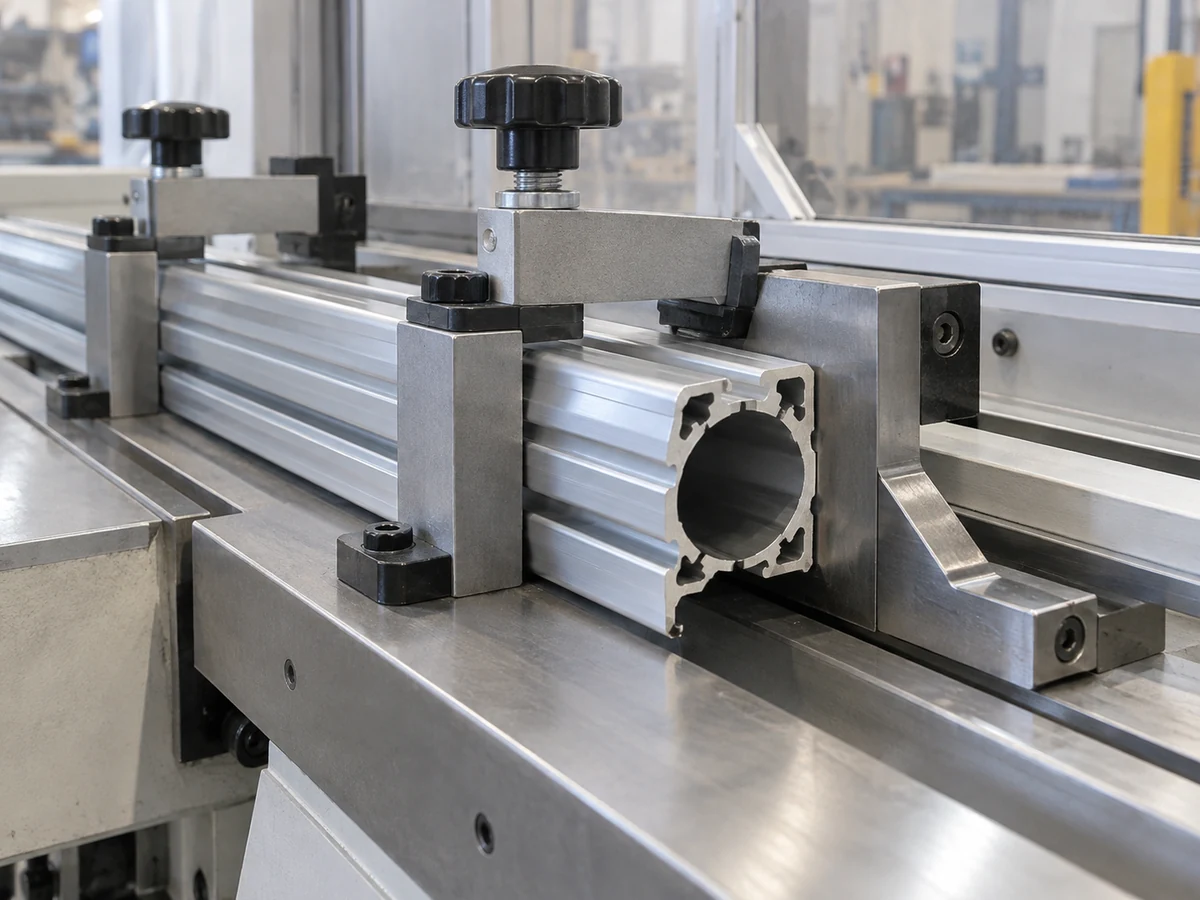
Describe where the stock can be gripped, how much wall support it needs and which surface marks are unacceptable. A thin or hollow aluminum part may require different location and restraint from a solid bar or a heavily ribbed extrusion. Ask the vendor to show the proposed clamp contact, feed support, cut-off collection and changeover for your actual sample. A successful demonstration on another profile establishes only that the machine operates; it does not validate your pump component.
5. Define the handoff to later work
Map the route after the blank cut: deburring, machining, finishing, component inspection, outside processing, assembly and product verification as applicable. Name the owner and acceptance point of each operation. A saw quotation covers only its agreed cutting scope. It cannot establish bore geometry, piston clearance, sealing, gauge accuracy or pump performance. If the buyer receives prepared components instead, compare that supplier’s delivered condition and documentation with what the in-house route would still need to produce.
6. Compare throughput at one accepted stage
Use the same demand period, component mix, delivery stage and quality boundary for each alternative. Count usable accepted blanks, then consider what proportion can pass later operations and be assembled with available supplied parts. Include stock length, remnant policy, changeover, loading, unloading, inspection, maintenance and downstream work in the capacity model. More cut pieces are not necessarily more accepted pumps. A faster saw has little economic effect when the constraint lies in machining, bought hoses, assembly or independent product checks.
7. Agree on evidence before comparing quotations
Ask each vendor to state the candidate equipment configuration, permissible input range, trial material, sample quantity, setup, inspection method and pass criteria. Separate feeder positioning from measured finished blank accuracy. Record cut length, end-face condition, burr, deformation and contact marks using the buyer’s approved method. A photograph or general demonstration video is context, not proof of your tolerance or production rate. Require a written list of exclusions and unresolved inputs before comparing prices.
Compare three supply routes on a common basis
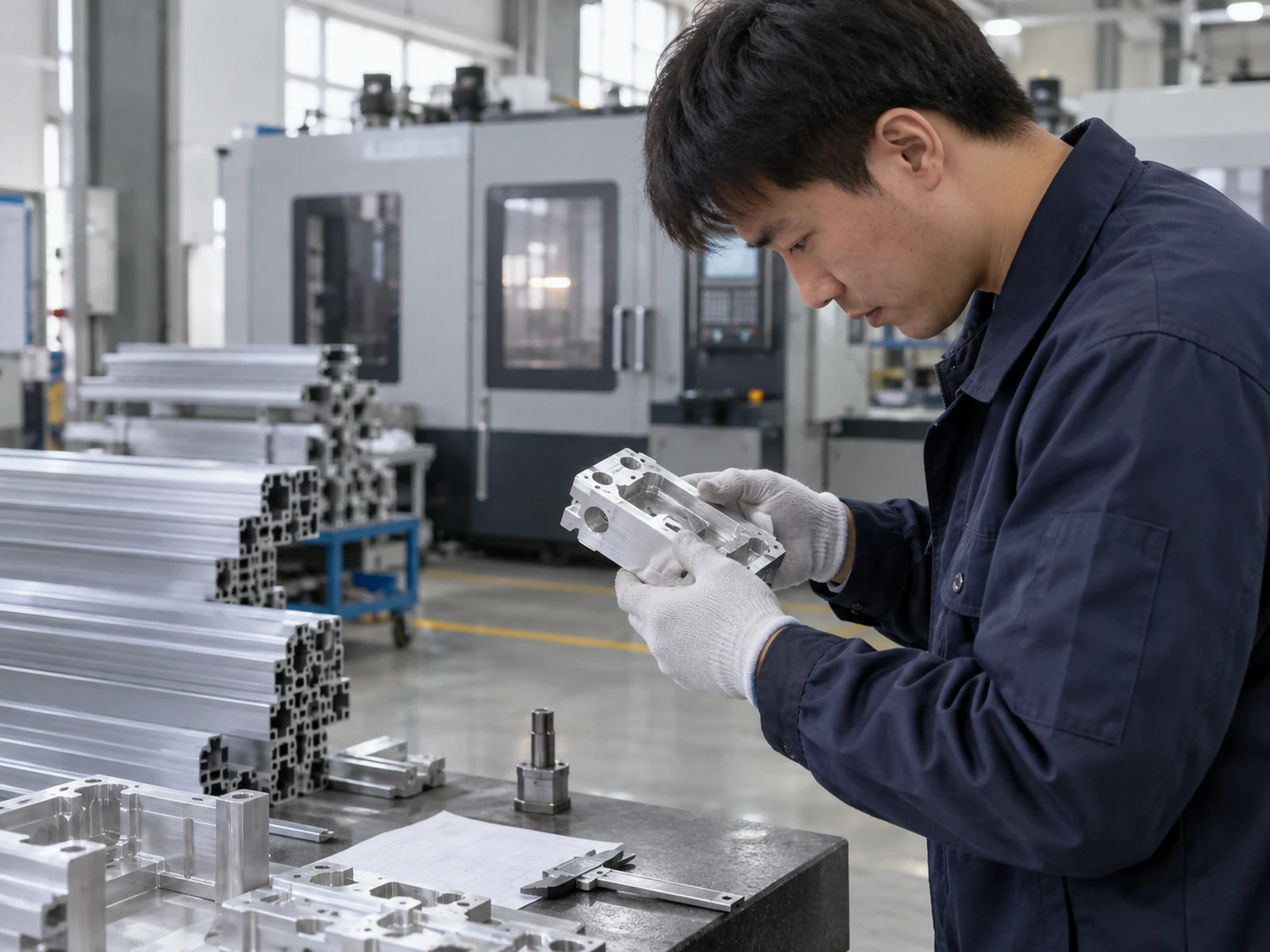
Retained blank cutting: the factory buys approved stock, cuts blanks and owns the remaining manufacturing and verification. Prepared component supply: a vendor delivers a defined component at a later accepted stage, shifting some machining or finishing work. Complete pump supply: the buyer receives a product evaluated under its own purchase and acceptance plan. Put material, equipment, fixtures, consumables, scrap, transport, outside processing, labor, inspection, assembly and product checks under the appropriate route. Do not compare raw metal cost with a delivered complete pump price as if the scopes were identical.
What to send in a bicycle-pump cutting RFQ
Send a component/model/revision matrix; identify the retained aluminum jobs and separately list steel and bought items. For each cuttable input, include a released drawing, material and supplied-state specification, section and stock length, blank-length schedule, contact restrictions, batch sizes and demand period. Add the next operation’s receiving condition, sample material and proposed acceptance method. State whether remnants and replacement demand are included. If the physical input or downstream allowance is not yet released, label it unknown and ask for a bounded feasibility discussion rather than a confident capacity promise.
Related Jiurun equipment video
The following video is from Jiurun Machinery’s official YouTube channel and shows general aluminum-cutting equipment. It does not show a bicycle-pump component, material, approved model configuration, customer trial, pressure result or production-rate proof.
Questions buyers often ask
Does an aluminum barrel always start as aluminum tube?
No. A product description may state the barrel material without disclosing its purchased stock form or route. Ask for the approved drawing and supplied-state record before specifying a cut.
Can a nonferrous saw cover the steel piston as well?
Do not assume so. Keep steel work outside the proposed scope unless the equipment supplier separately verifies a suitable configuration and process. This article concerns identified aluminum blank work.
Does a clean cut prove the finished pump will pass?
No. Blank conformity, prepared-component conformity and complete-pump function have distinct acceptance evidence and responsible owners. A cut trial cannot establish seal performance, gauge accuracy or inflation capability.
Discuss your retained aluminum jobs with Jiurun
If your factory actually cuts aluminum pump-component blanks, share the physical stock, controlled drawings, blank schedule and inspection criteria with Jiurun. Request a configuration assessment limited to that nonferrous cutting task and an explicit list of remaining work. Contact Jiurun with the RFQ package; keep steel parts, prepared supply and complete-pump verification in their own scopes.