
Aluminum saw for kayak paddle manufacturing is a useful inquiry only after the buyer identifies which aluminum shaft members the factory will actually cut. A finished paddle can include two shaft halves, a joining ferrule, blades, grip areas, drip rings and surface treatments. Cutting a tube to a released blank length does not make a complete paddle or prove how it behaves on the water. This guide helps a paddle maker compare a retained shaft-cutting operation with buying prepared shafts or finished paddles.
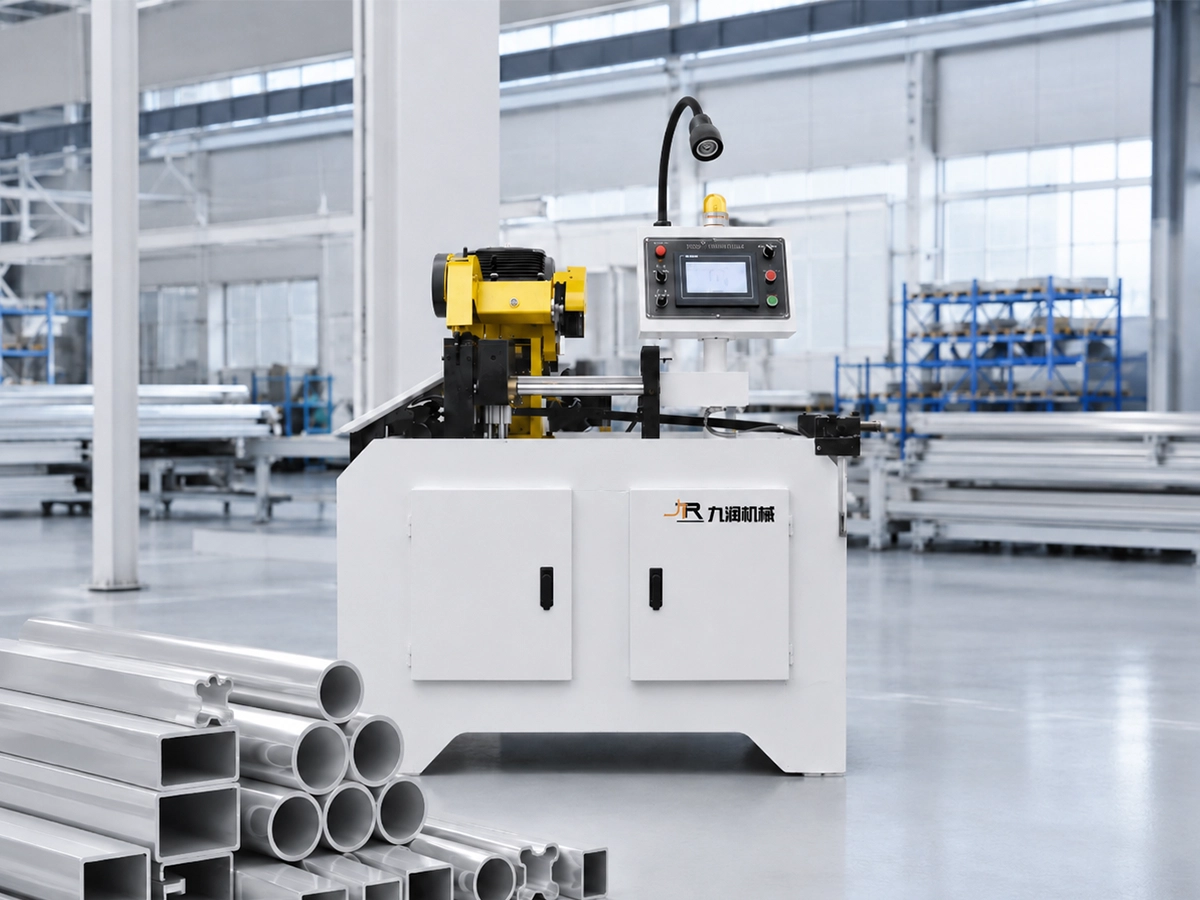
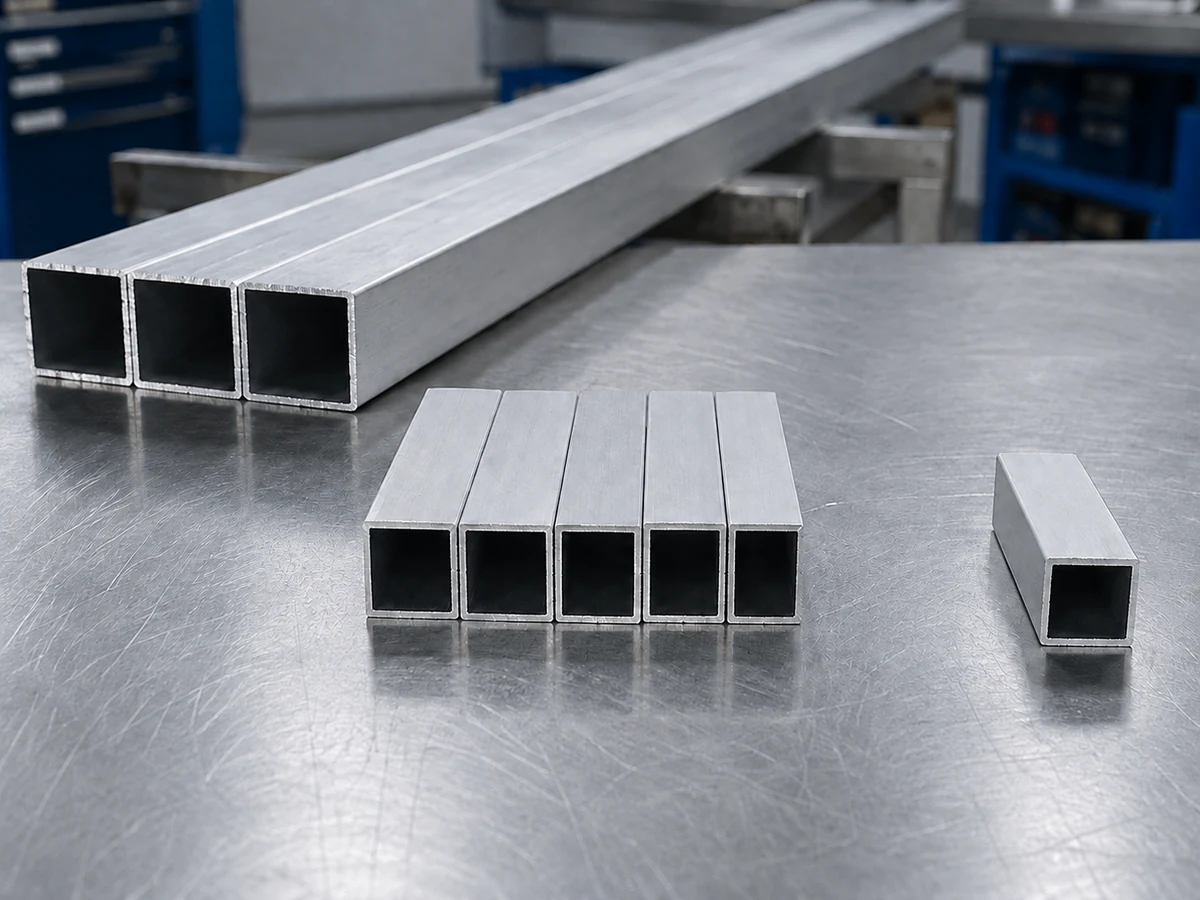
The intended reader is a manufacturer with a controlled paddle design or a supplier quoting cut shaft members. The saw and material images below are related illustrations from Jiurun’s existing library. They are not a kayak-paddle project, a named customer’s equipment or a cutting-performance trial.
Separate the shaft blank from the complete paddle
Real products show why the boundary matters. Ho Lee’s HB-361 paddle describes an aluminum shaft, separate reinforced-polypropylene blades, a snap-lock connection and a grip sleeve. Old Town’s Magic Mystic lists a two-piece aluminum shaft, blades, a push-button ferrule and drip rings. These are examples of different commercial paddle assemblies, not Jiurun configurations or specifications for the reader’s product. Neither finished length nor shaft outside diameter on a product page is automatically the saw’s cut length.
Choose the supply stage before requesting a machine quotation. A factory might receive long aluminum tube and cut both shaft halves; receive pre-cut members that still need holes, forming or a finish; buy an accepted two-piece shaft assembly; or buy the completed paddle. The saw is relevant only to the metal blanks retained in the factory’s own route. Blade molding, ferrule design, drilling, coating, grip installation, assembly and water-use testing need independent process owners.
Turn the released paddle design into a shaft-member schedule
Start from the drawing revision and the defined incoming tube, not the retail paddle’s overall length. A two-piece design may have different left and right halves, insertion allowances, grip features or ferrule interfaces. Only the approved engineering drawing or physical master can tell a supplier where the cut length begins and ends. State whether the datum is a stock end, a finished tube end, an assembly shoulder or another measurable feature. Do not subtract an assumed blade length from the catalog paddle length.
For each retained member, record part number, drawing revision, shaft shape, outside dimensions, wall thickness, alloy and temper when specified, stock length, required cut length, end form, quantity per paddle, visible faces and next operation. Distinguish a straight tube from an ovalized or otherwise formed section. Note whether protective sleeves or finish are already present when it reaches the saw. Identify the shortest authorized piece and the longest incoming stock. Those extremes can drive support, clamp and stop decisions more than a nominal finished-paddle dimension.
Keep bought blades, ferrules, drip rings and packaging on their own bill-of-materials lines. If a shaft half will be drilled or formed after cutting, identify which department owns those operations and which dimensions that later process may change. A labeled pair of cut tubes is not yet an accepted paddle shaft assembly. Revisions should be traceable in the cut-member label and sample record so that a left half from one version is not packed with a right half from another.
Aluminum saw for kayak paddle manufacturing: seven RFQ checks
- Define the retained job. State whether the purchase is a saw for raw aluminum shaft blanks, a service for prepared shaft halves or a finished-paddle supply contract. Price only comparable stages.
- Send the real section. Supply a drawing or physical sample for every shaft variant. Include the smallest wall, largest outside dimension, formed or oval grip region and any finish-sensitive surface that affects clamping.
- Fix each cut datum. Identify the measurable blank reference and target length for left and right members. Keep overall paddle length, blade geometry and ferrule engagement as separate assembly references.
- List end requirements. Specify square or other end forms, acceptable burr condition and which end is used in later joining. Do not infer that a general saw video qualifies a proprietary ferrule interface.
- Review handling. Ask how long tube stock is supported before the saw, how a short member is located and how cut pieces are collected without damage or left/right mixing.
- Agree on a trial. Define representative tube samples, exact machine and blade setup, sample count, measuring tools, length and end-quality criteria and who signs the result. A catalog feed-repeatability figure is not a measured finished shaft.
- Separate downstream approval. Assign drilling, forming, ferrule fit, blade bonding, finish, assembly and intended-use evaluation to the responsible parties. A saw trial cannot approve those operations.
Test the hardest shaft member, not the easiest sample
A useful trial includes the thin-wall or finish-sensitive shaft variant, a long stock length, the shortest cut member and the end that enters the ferrule or blade-side process. Record actual stock identity and revision, machine configuration, blade, stop reference, clamp contact, support positions and any protective film. If several shafts differ, do not use a single easy tube to qualify all variants. A supplier should say exactly what was demonstrated and what remains untested.
Measure the cut blank from the drawing’s datum. Check length, end squareness where required, burrs, deformation, finish marks and whether the piece remains usable for the next operation. Then ask the assembly owner to test the appropriate downstream interface on a representative member. Poor joint fit can come from the ferrule, hole location, forming step or tube section, not just the saw. Keep cut measurements and assembly observations in separate records before attributing a failure.
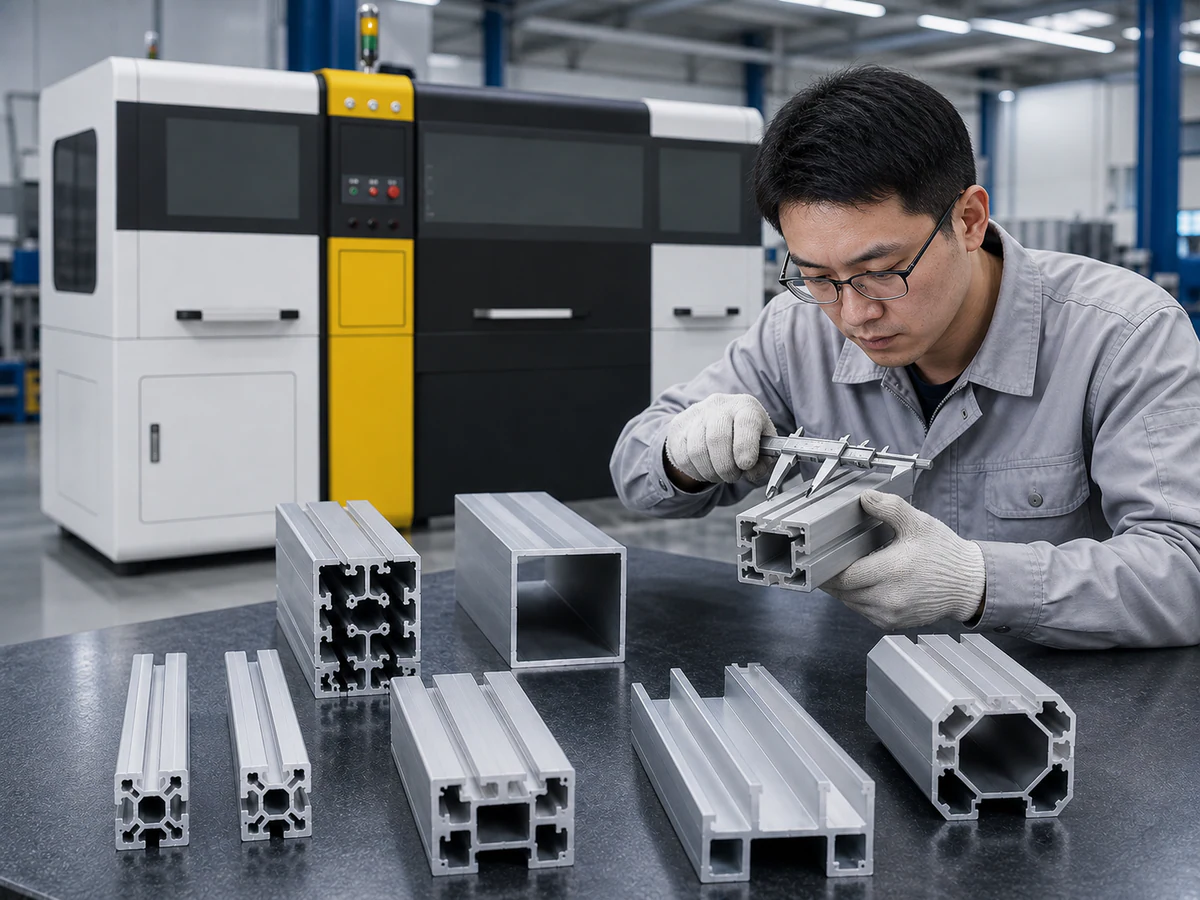
Our surface-mark trial guide offers a separate method for distinguishing incoming-stock marks from handling or cutting effects. Apply its reasoning to the approved shaft material, not to an unverified photo or a different extrusion.
Compare a saw quotation with prepared-shaft supply
A machine price may omit infeed support, outfeed handling, suitable clamps, the blade, a stop system, operator training or a documented sample program. A prepared-shaft quote may include some of those operations as a service, yet leave drilling, ferrule installation or blade assembly to the buyer. Ask both bidders to define the delivered stage, the approved variants, the trial evidence, inspection duties and rejected-part handling. This exposes the work the factory would still own after purchase.
Do not transfer Ho Lee or Old Town product features to Jiurun. Their ferrule type, blade material, paddle length and consumer-use claims describe their own products. Jiurun’s aluminum profile cutting equipment overview is a starting point for discussion; whether a particular configuration can cut a released shaft section and length needs an actual drawing review and sample plan. Avoid a promise of complete-paddle durability or on-water performance from a saw demonstration.
Video: a general aluminum-saw view
The following video is from Jiurun Machinery’s YouTube channel. It shows a general cutting-machine and aluminum-profile context, not the paddle shaft, a kayak-paddle customer, a validated setup for this inquiry or proof of output quality.
Questions to close before purchase
Can one saw cut every paddle-shaft variant?
Only a review of all approved sections, lengths, end forms and support needs can answer. Test the most demanding representative variants and record the configuration for each.
Does a good cut prove that the paddle is ready for sale?
No. A cut-member trial can verify specified blank criteria under stated conditions. Ferrule engagement, blade connection, corrosion protection, complete-paddle conformity and intended-use performance require their own evidence.
What should the buyer send with an inquiry?
Send the released member drawings and revisions, actual tube samples, left/right quantities, incoming stock range, visible-face requirements, next operations and sample acceptance method. Contact Jiurun with the shaft drawings and cutting requirements for a configuration-specific discussion. Request an itemized proposal that makes the machine scope and remaining factory work explicit.
Next step: choose one paddle family and the hardest shaft members. Approve a cut-member trial against those drawings, then separately approve the assembled paddle and its intended use.