
An aluminum display rack can leave the supplier as numbered cut members or as a joined frame. The saw may cut the same nominal profile in either case, but aluminum display rack delivery changes what the buyer must approve, inspect, protect, and replace. A flat-pack quote can look cheaper until joint preparation, counting, packaging, and site assembly are added. An assembled-frame quote can look simpler until transport size, damage exposure, and access through the installation route are checked. Decide the delivery boundary before using a saw cycle time as the basis for price.
Aluminum display rack delivery starts with the cut list
Start with the approved rack drawing and the point at which the supplier hands over responsibility. For flat-pack supply, the deliverable is a complete, identifiable set of uprights, crossmembers, braces, connectors, panels, and any prepared holes or slots specified in the release. For assembled supply, the deliverable is a frame that has passed agreed fit checks before packing. “Cut to length” alone does not define either deliverable. It omits orientation, exposed-face protection, connector compatibility, and the person who must resolve a missing or mismatched member at installation.
Ask which parts are interchangeable and which are location-specific. A left and right upright may share length but differ in hole pattern or visible face. An end cut that is acceptable on a hidden joint may be unacceptable on a customer-facing edge. Use a revision-controlled member schedule with item ID, profile, length reference, end treatment, machining state, quantity per rack, and orientation mark. Tie every carton or completed frame to that schedule. This is a purchasing control, not an assertion that any specific JiurunCut machine makes the entire rack.
Flat-pack: control completeness and site assembly
A flat-pack route can be appropriate when long or bulky assembled frames are difficult to move, when the installer has controlled fixtures and trained labor, or when many identical racks can be kitted for staged installation. The supplier should show how one rack is separated from the next. A bag of connectors and an unlabelled bundle of similar extrusions is not a verified kit. Specify a packing list by rack ID, member ID, connector set, drawing revision, and quantity. Require visible-face and cut-end protection suitable for the agreed route; confirm the actual package design with the shipper rather than treating a photo of loose profiles as proof of shipping performance.
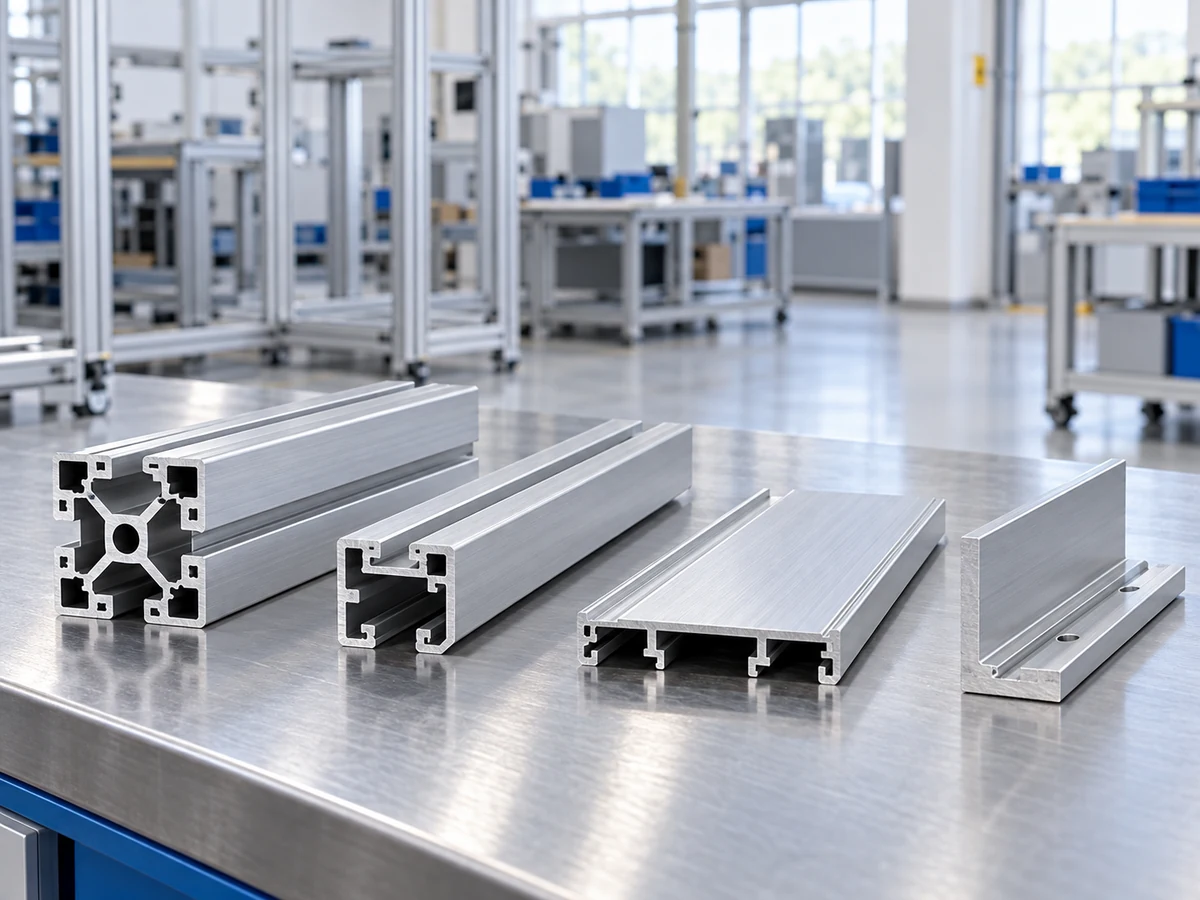
Define a first-article assembly at the supplier or a controlled site: build one rack from the proposed kit, check the approved shelf or panel interface, record any forced fit, and reconcile every remaining item against the bill of materials. The test should use the intended connectors and installation sequence. If site crews must drill, trim, or substitute hardware to make the kit fit, that is a specification or process issue to resolve before bulk release. Record whether scratches or burrs existed before or after packing so the corrective action goes to the right process.
Assembled frames: control geometry, handling, and access
An assembled frame transfers more of the fit work to the supplier, which may simplify the installer’s task. It does not remove the need for acceptance. Agree which datums locate the rack, how squareness or shelf pitch will be checked, how panels and connectors will be trial-fitted, and what evidence accompanies the frame. The final assembled dimensions also determine the package and the route through loading doors, lifts, store entrances, and aisles. Obtain those dimensions before asking for a transport quote.
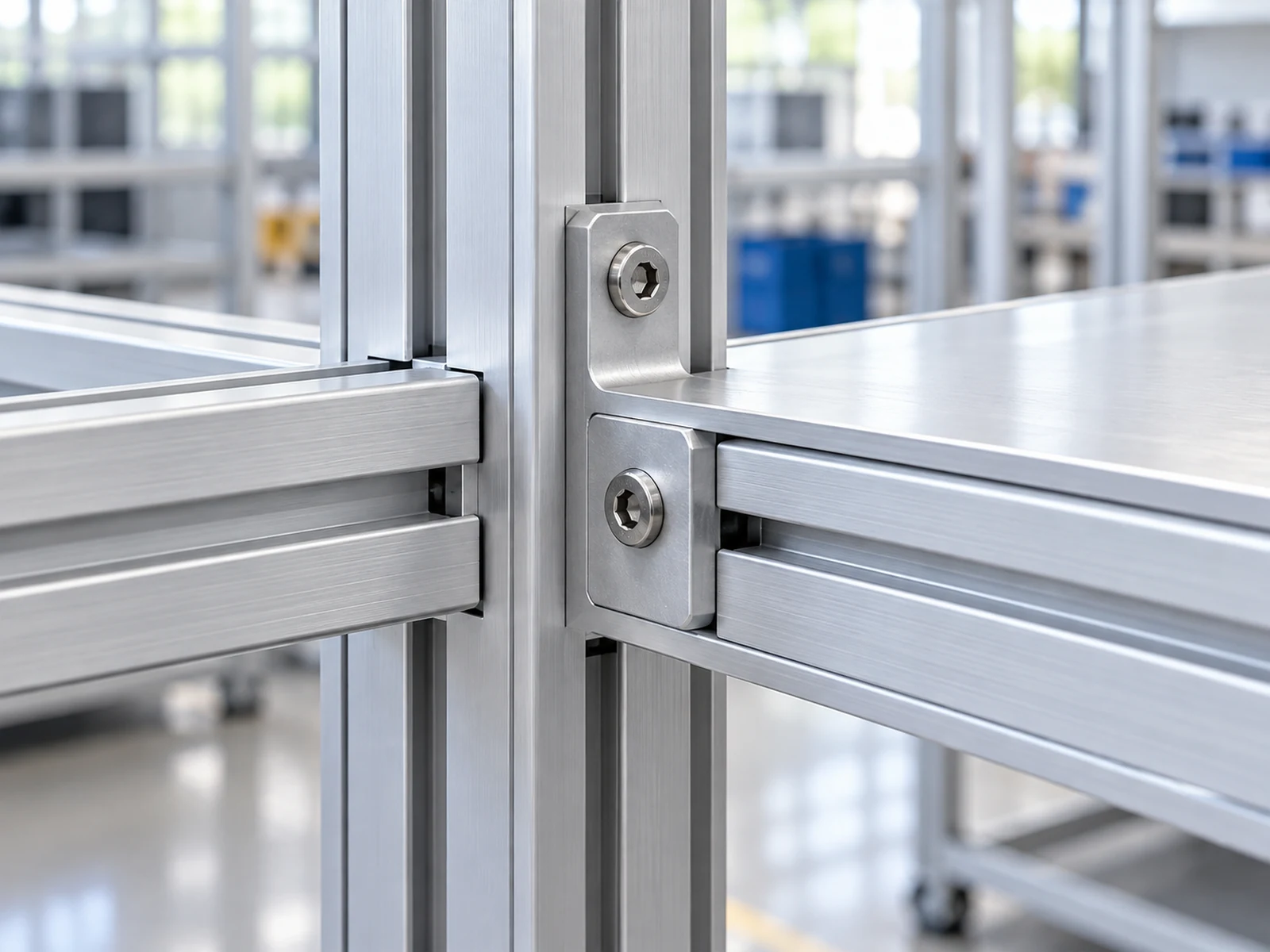
Plan how the frame will be supported during lifting and restrained during transport. A clean factory fit check cannot prove that a rack will remain aligned after handling. Specify the arrival inspection separately: inspect visible faces, joints, fasteners, and the approved panel or shelf interface before installation. If the destination cannot receive a single full frame, a hybrid shipment of tested subassemblies may be more useful than an all-or-nothing choice. Define where those subassemblies separate and who closes each joint on site.
Compare the total scope, not only the saw price
Request two quotations against one controlled drawing. The flat-pack line should include cutting, any drilling or slotting, deburring, identification, one-kit assembly trial, count reconciliation, packaging, and the documented site work left to the buyer. The assembled line should include those operations plus frame assembly, pre-shipment checks, handling fixtures or protection, transport envelope, and arrival inspection. If the buyer supplies connectors or panels, list that explicitly. Separate optional rework and replacement terms from the base price.
For aluminum display rack delivery, a useful comparison has three columns: supplier work, buyer or installer work, and unresolved assumptions. Review the real installation route and the expected replacement pattern. If damage to one flat-pack member can be handled by replacing that identified member, ask how its finish and revision will match the original. If a welded or permanently joined frame cannot be repaired locally, ask how a replacement assembly would be specified and delivered. Neither route is inherently lower risk; the answer depends on the approved geometry, packaging, labor, and handling conditions.
Set a release gate that exposes the difficult failure modes
Before purchase order release, ask for a marked member map and a sample kit or frame. Check the critical joint from the drawing, the fit of one shelf or panel, the count of similar-looking members, the external package dimensions, and the delivery handover point. Keep the sample and the inspection method linked to the exact revision. If the design changes after the saw trial, reassess members affected by new joints, hole positions, visible-face orientation, or replacement rules rather than assuming the previous cut sample still approves the rack.
Packaging tests should be selected for the actual distribution channel and package design. For example, ISTA identifies Procedure 3A for individual parcels within its stated scope; that reference does not mean a display rack package has passed the procedure. For logistics-unit identification, GS1 explains the SSCC as a unique identifier for a logistic unit. Use these resources to frame supplier questions, then obtain evidence for the specific consignment. Bosch Rexroth’s framing overview also illustrates why connector and slot choices are part of an assembly system rather than a cut-length decision alone.
Where the saw decision fits
For either delivery state, first define the released profile family, maximum stock cross-section, datum used for length, end condition, batch mix, and downstream operations. A saw trial should cut representative members and then prove the relevant assembly interface, not merely show a smooth isolated end. Verify machine configuration against the actual profile and process; do not infer finished-rack geometry from a feeding-accuracy figure. Our related guides on specifying a rack member kit before choosing a saw and checking shelf pitch and assembly fit in a saw trial provide the upstream checks. This article addresses the separate handover decision: what the buyer receives and verifies after cutting.
Video: general equipment footage
The Jiurun Machinery channel video below shows general aluminum-cutting equipment operation. It is an equipment illustration only; it does not demonstrate this rack design, the selected materials or machine configuration, a customer order, a packaging test, a saw trial, or any performance result.
General Jiurun Machinery equipment footage; illustrative only, not evidence for the rack or shipment described here.
Send a decision-ready RFQ
Send the drawing revision, rack quantity, delivery locations, installation route, approved member and connector schedule, visible-face rules, and the preferred handover state. Ask each bidder to identify exceptions and to quote a flat-pack, assembled, or subassembly alternative against the same acceptance points. If you need to evaluate the cutting portion of that scope, contact JiurunCut with representative profiles and the member schedule so the appropriate saw configuration and trial can be reviewed. Keep packaging and finished-rack acceptance as explicit supplier commitments rather than assumptions drawn from machine footage.