
Rail vehicle aluminum section spares are a controlled maintenance procurement decision before they are a cutting job. An installed profile may resemble material in a supplier’s warehouse, but appearance, nominal length and alloy name alone do not establish that a new cut piece is an approved replacement. The buyer first needs to identify the vehicle, the component’s function and the authority that can release a part into service.
This article is for purchasing teams evaluating an existing rail vehicle repair or planned spare. It does not authorize field modification, substitution, installation or return to service. The vehicle owner, operator and responsible maintenance organization must apply their approved documentation and applicable jurisdictional requirements. A saw supplier can discuss a defined cutting stage only after that scope is released.
Start with the maintenance authority, not a catalog profile
Ask the requesting team for the vehicle type and serial or fleet identifier, location of the affected member, original component number, revision, drawing and maintenance instruction. Determine whether the part belongs to a safety-critical system or another controlled configuration. Capture the reason for replacement and the status of the removed part. A photograph is useful for locating the feature, but it cannot replace the controlled drawing or approval record.
In an EU context, the European Union Agency for Railways describes the Entity in Charge of Maintenance framework as a system that provides responsibility and traceability for maintenance on vehicles. That page is context for a buyer to identify the right decision owner, not a blanket approval for any offered spare. Outside that context, follow the authority and maintenance system that actually govern the vehicle.
Separate a complete approved spare, an authorized prepared member, a raw extrusion and a cut blank. Each is a different delivery stage. If the approved route calls for an OEM assembly, buying an apparently matching stock section may only create an unapproved loose object. If controlled documents explicitly permit a cut blank as an input to a later authorized process, the buyer can quote that narrow stage while keeping downstream machining, finishing, examination, installation and release with their assigned owners.
Build a component identity that survives the purchase order
Use the controlled part number and revision as the primary identity; add the vehicle or fleet applicability and approved supplier or alternate reference where required. Specify the exact extrusion shape and material condition from the released documents rather than reverse-engineering from a photograph. Large rail-related profiles may include cavities, ribs and interface faces that make two similar-looking sections incompatible. A stock cross-section sketch and a vehicle-body envelope are not interchangeable.
The ERA guide for the freight-wagon technical specification recommends spare-part references from the provider and manufacturer in the maintenance description so the correct item can be identified and procured. Its scope is specific; the practical lesson for any buyer is to request the actual controlled reference that applies to the vehicle rather than invent a generic “rail extrusion” designation.
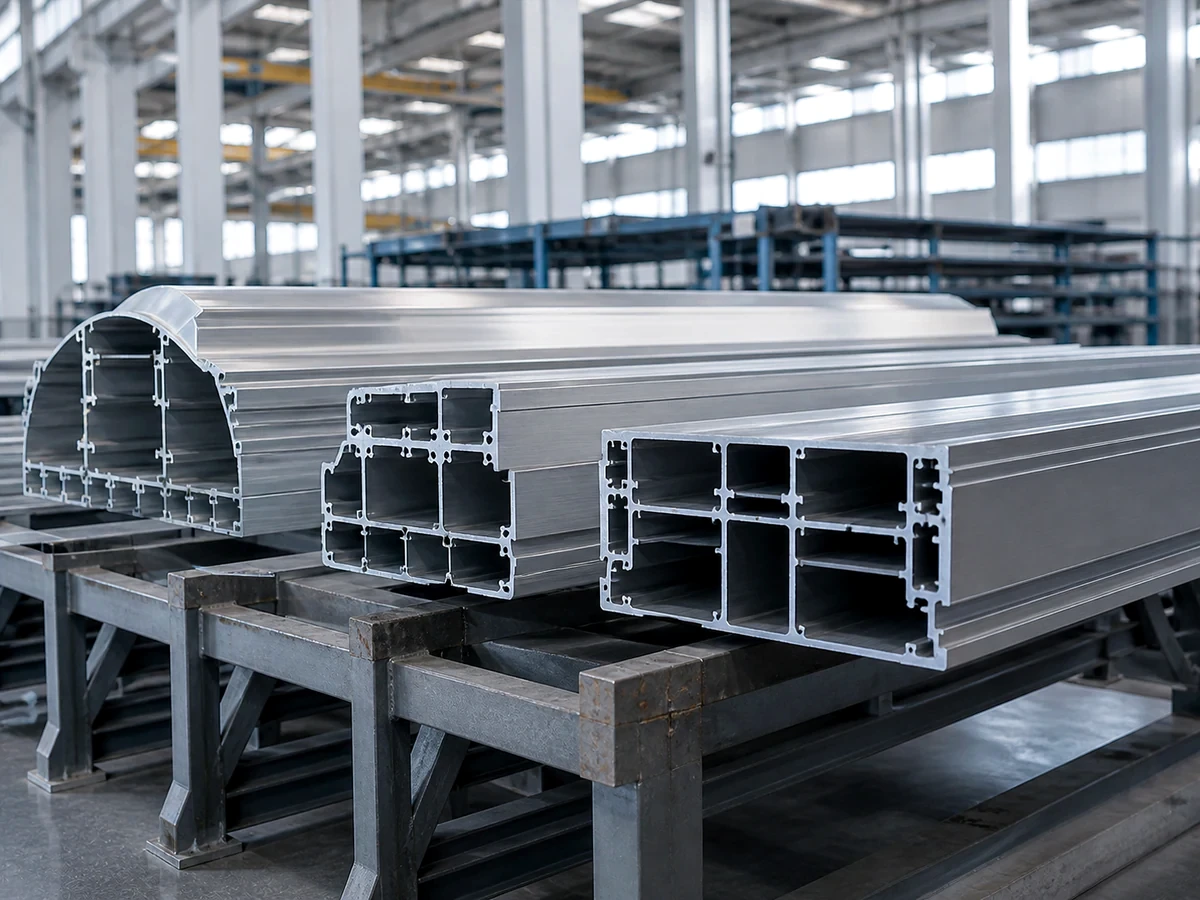
When a part has been superseded, do not assume that the latest number fits every installed vehicle. Obtain the approved supersession and applicability record, including any companion parts or processes that change with it. A purchasing substitution request should name who is empowered to approve equivalence and what evidence they require. If that approval is absent, hold the inquiry at the identification stage instead of booking saw capacity.
Decide what the cutting supplier is actually asked to deliver
A quote for a cut blank needs the released input stock form, stock condition, nominal cut length and length datum, end-face orientation, stock support and handling constraints, quantity, and the acceptance method for the cut stage. The next operation may establish final holes, interface machining, weld preparation, finish or assembly; do not assign those features to the saw by implication. State what is excluded as clearly as what is included. Where the requirement is an approved finished replacement, request that complete stage from the authorized source instead.
Discuss the actual part family, including the longest and shortest permitted blanks and any handed versions. For each, identify a representative sample and a receiver. A saw trial can check whether the proposed machine and setup can produce the agreed cut stage with acceptable ends and handling; it cannot approve the part’s structural design, vehicle compatibility, maintenance procedure or service release. Separate part-level measurement from vehicle-level qualification.
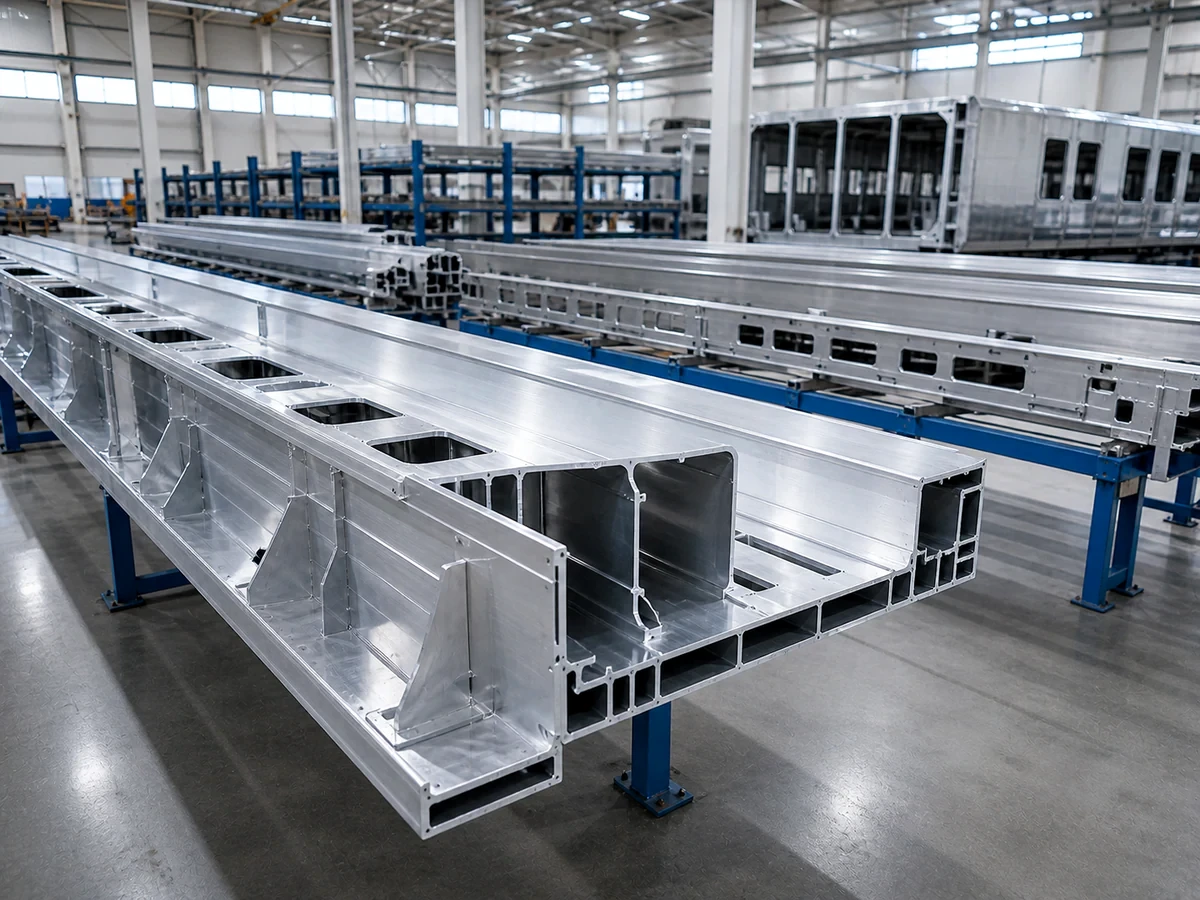
For short runs, compare ordering an approved finished part, an authorized prepared member and retaining a controlled blank-cutting route at the same accepted handover. Count drawing and approval work, stock minimums, setup and handling, supplier lead time, inspection, preservation, storage and the later operations still needed. A lower cut price may be irrelevant if the buyer cannot lawfully or practically release the blank into the authorized maintenance chain.
Control traceability, preservation and receiving
A long section can be damaged before it reaches the maintenance shop. Agree the protection and support points, package length, lift and unloading plan, visible-face protection where specified, and the labels on both the outer unit and individual part where necessary. Do not let a packing method load a delicate edge or hide the identifying mark needed at receipt. A transport plan should be checked against the actual route and receiver rather than copied from a standard industrial profile shipment.
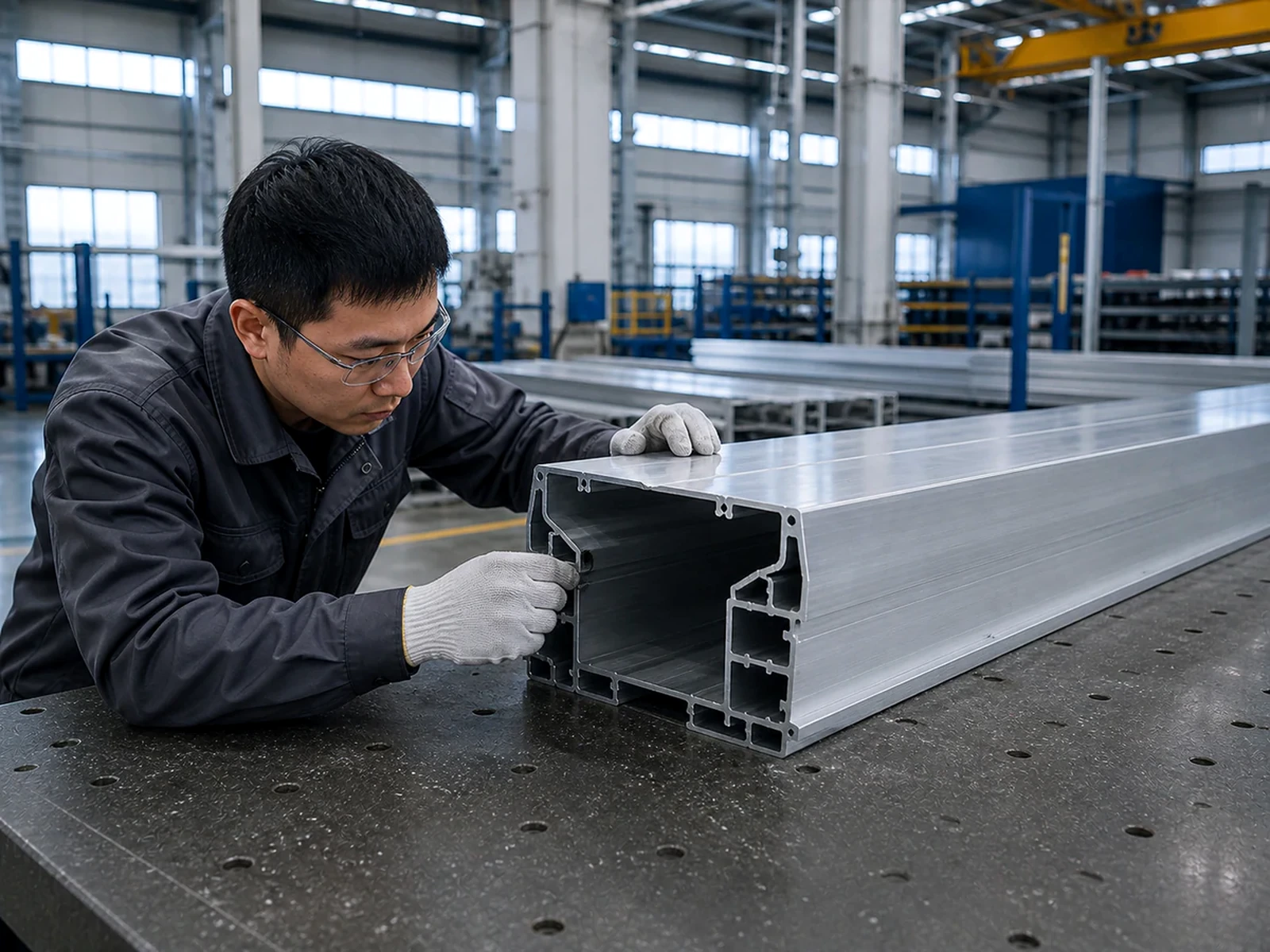
Ask for a receiving record that ties the delivered part to the purchase order, approved part reference and revision, batch or heat traceability where required, supplier and inspection evidence. If the wrong revision or unexplained damage appears, the receiver needs a segregation and disposition path before the piece is sent to the maintenance work area. A photo of a visually similar profile should never be the sole acceptance evidence.
Compare the procurement options by the same release gate
One option is an approved replacement obtained through the vehicle’s existing supply chain. Another may be an authorized alternate or a prepared member under a documented substitution process. A third is stock-to-cut-blank work if that input stage is expressly accepted and all remaining operations and approvals are assigned. Put the same required end state, delivery date and evidence package beside every offer. Do not compare a raw-material price to a fully approved installed part as though the two offers solved the same problem.
Make the quote conditional where information is missing. A bid can say “cutting stage only, subject to release of component drawing and authority” rather than pretending an unverified stock size is approved. Keep the decision log with the revision, scope, exclusions, authorized reviewer, sample result and final receiver. This is especially important when a maintenance order crosses procurement, fabrication, logistics and the organization responsible for the vehicle.
Video: general aluminum saw equipment context
The following video is from the Jiurun Machinery channel and shows general aluminum saw feeding and cutting equipment. It is only an equipment-process example. It does not show the rail sections pictured here, an approved vehicle component, a customer, a particular quoted configuration, a service trial, structural performance or maintenance release.
RFQ checklist for rail vehicle aluminum section spares
- Vehicle and component identity, original part number, revision, approved supersession and responsible maintenance authority.
- Accepted supply stage: complete approved part, authorized prepared member or controlled cut blank.
- Released material and profile specification, physical blank references, length and end orientation, quantity and representative trial piece where cutting is in scope.
- Required inspection, batch traceability, preservation, transport and receiving evidence, plus a clear segregation route for nonconforming deliveries.
- Named owner for all downstream features, installation, qualification and return-to-service decisions.
For a separately authorized aluminum blank-cutting scope, contact JiurunCut with the controlled profile drawing, actual stock form, cut-length range and agreed cut-stage acceptance. We can discuss a machine trial for that defined operation; the vehicle maintenance authority retains approval of the replacement and service release.