
An aluminum display rack saw trial should answer a narrower question than a machine demonstration: can one agreed set of uprights, shelf rails and braces be cut, identified and assembled into the rack the buyer intends to ship? A neat cut on one straight extrusion does not settle shelf pitch, visible-face orientation or the effect of a wrong end on the next assembly step. This guide turns those issues into a practical acceptance plan for buyers of a saw used for modular display-rack members.
If the bill of materials and supply boundary are still unclear, first define the member package using our display rack frame cutting purchase guide. The trial below begins after that choice: it tests whether a proposed saw and working method can deliver the agreed member kit. It is not a claim that every rack design uses the same joint, profile or tolerance.
Aluminum display rack saw trial: what it must decide
The purchase decision is not simply “does the blade cut aluminum?” It is whether a repeatable cut-to-assembly handover fits a specific rack family. Ask the supplier to identify the stock profile, its reference face, the length datum, the finished end, the label and the intended shelf position. The buyer should supply the actual drawing revision, connector, shelf hardware and an example of the expected finished rack. Without those inputs, a successful demonstration may prove only that a machine can cut a convenient sample.
Different framing systems use different slots, connectors and accessories. Bosch Rexroth’s aluminum profile system information illustrates why the profile and connector choice belongs in the trial definition. Its FRAMEpro documentation also treats profile lengths, connectors and the parts list as linked design inputs. These sources describe Bosch Rexroth’s system, not a JiurunCut machine configuration or a universal rack specification.
Build the sample kit before arriving at the saw
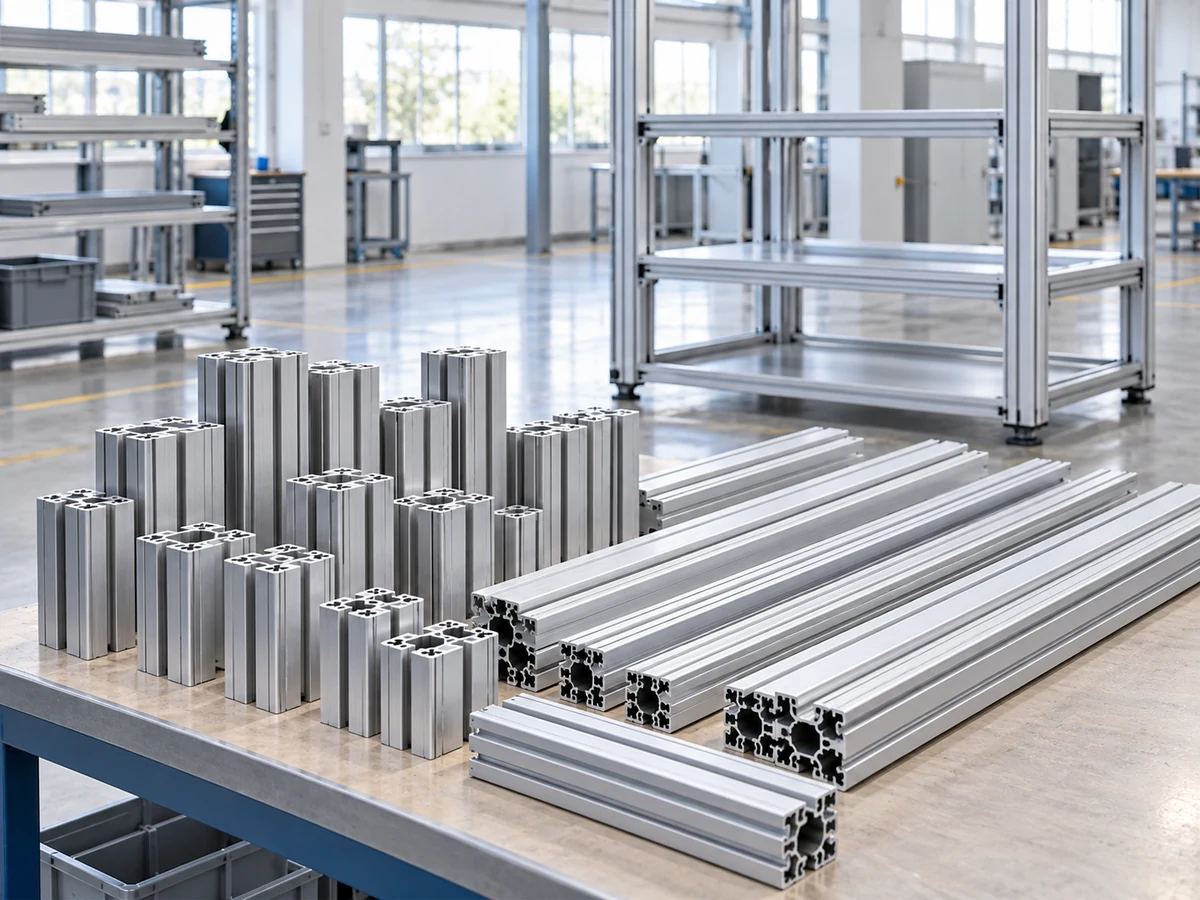
Choose one representative rack rather than a loose collection of bars. The kit should include at least an upright, more than one shelf-level rail, the top or base members that close the frame, and any brace whose end orientation differs. If the order contains several profile cross-sections, bring one of each that changes clamping or length reference. A single profile can still require separate trials when its visible face or connector end changes by position.
Give every sample a part identifier and intended location. The cut list should state quantity, nominal length, permitted deviation from the approved drawing, end preparation and whether the dimension is measured overall or to a connector seat. Do not substitute a generic machine feed-accuracy figure for the cut part’s dimensional acceptance. The buyer and supplier should agree where and how each actual piece will be measured before cutting.
Include the real connection hardware and shelf panel or shelf support. A trial without the mating parts cannot expose a rail that is cut to the correct nominal number but assembled from the wrong face. If actual hardware is unavailable, record that the trial is limited to cut samples and defer assembly acceptance; do not mark the whole rack fit as passed.
Choose datums that survive every shelf level
On the drawing, mark the upright’s base reference and the shelf positions measured from it. Keep the same reference convention through programming, cutting, labeling and inspection. If each shelf rail is measured in isolation while its upright is located from a different face, individual pieces can pass their own checks yet still misalign in the frame. Decide whether the saw operator will locate from an unmachined stock end, a previously cut end or a dedicated stop, and document the change when stock is turned around.
For each visible member, mark an A face and an end-hand arrow on the sample. The saw operator should show how that mark remains visible during loading and after the cut. A drawing that says only “left” or “right” can be ambiguous when viewed from opposite sides of the rack. A physical marked sample and a diagram of the final assembly remove that ambiguity. The trial should include at least one deliberate changeover from an upright to a rail, because the changeover is where a correct program can be paired with the wrong profile or face.
Run a trial that includes a complete assembly loop
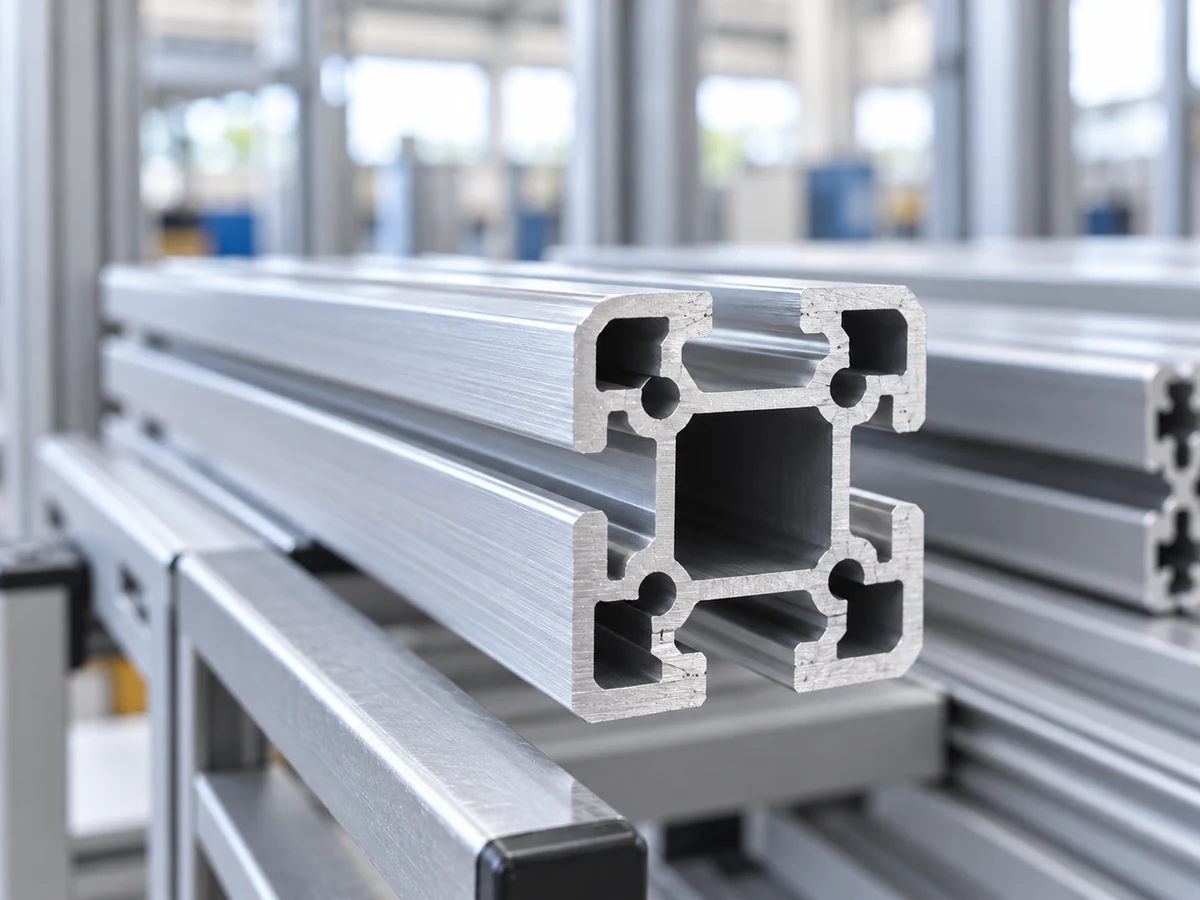
- Approve the setup. Record stock section, length range, clamping contact, blade and program identification. Check that the supported stock remains stable and that guards and operator access are suitable for the planned operation.
- Cut the first-off kit. Cut one of each relevant member and mark its identity immediately. Measure overall length and end condition using the agreed method. Capture the measurement instrument and drawing revision in the trial sheet.
- Change to the next member family. Demonstrate loading, datum selection and label control after a profile or program change. Cut a second kit or a small repeat set so that a single lucky first piece cannot hide a setup problem.
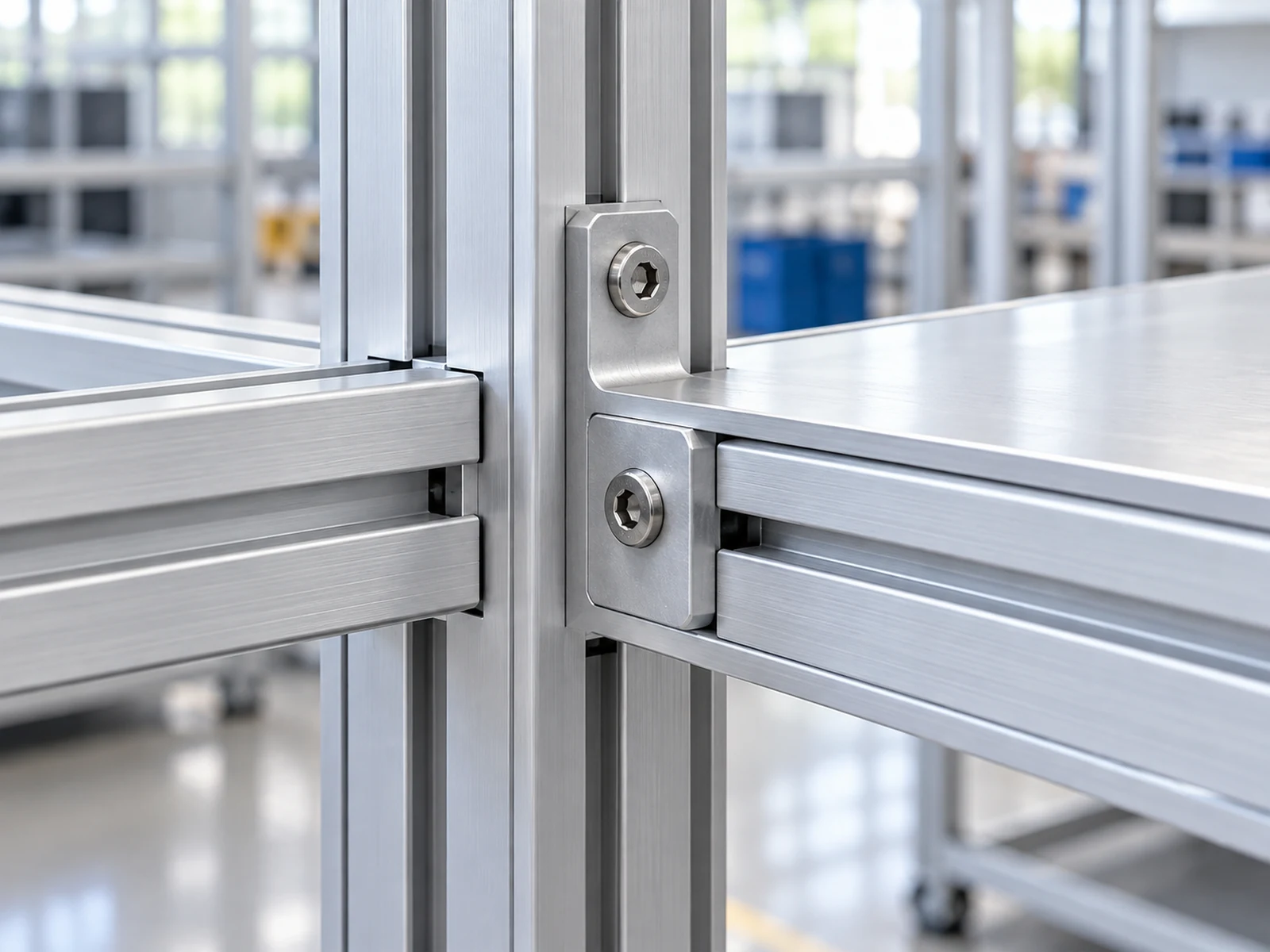
- Assemble at least one shelf bay. Use the actual connectors and shelf hardware. Check the position of each shelf, the frame’s squareness and the appearance of exposed ends against the approved rack drawing. Record any hand fitting, sorting or rework required.
- Repeat after a normal interruption. Re-establish the reference after a routine stop or material change. The purpose is to test the handover procedure, not to invent a machine performance claim.
An aluminum display rack saw trial record should preserve raw measurements, not just a pass stamp. If a shelf does not fit, separate the possible causes: cut length, profile substitution, connector position, shelf panel dimension, assembly sequence or an incorrect drawing. Do not assign every assembly defect to the saw. Conversely, do not waive a cut-part failure because the assembler forced the joint together.
Agree the pass criteria in the RFQ
Write the acceptance rules before the supplier cuts. State the drawing revision, quantity of first-off and repeat pieces, which parts receive end-condition inspection, the measuring points, acceptable variation and the assembly features that must fit without unapproved rework. Specify who supplies stock and connectors, who owns the cutting program, and how a failed sample will be investigated. A supplier should be able to return a marked cut list, measurement sheet, photos of the assembled bay and a list of deviations.
Use a simple decision table: accept when the agreed cut and assembly criteria pass; accept with action only when the remaining action is defined, owned and retested; hold when a critical feature is unmeasured, reworked without record or tested with substitute material. If a finish or scratch limit matters on a visible face, include it in the agreed inspection plan and use suitable handling during the trial. The limits come from the buyer’s rack design, not from a generic blog example.
What the equipment video can and cannot show
The following video is general Jiurun Machinery equipment footage from the company’s own YouTube channel. It offers a view of an aluminum-cutting machine and its operation. It does not show this display-rack material, a specified machine configuration, a customer order, this trial, a measured shelf pitch or proven performance. Use the written trial plan and your own signed measurements for those decisions.
Send a useful trial request
For an aluminum display rack saw trial quotation, send the rack drawing and revision, the list of member sections and quantities, stock condition, visible-face marks, connectors, shelf hardware and the proposed pass sheet. Ask the supplier to identify which observations can be made on the proposed saw and which require downstream assembly. If the rack has several height or shelf-pitch variants, include the most demanding changeover in the trial instead of assuming the simplest variant represents all of them.
For a machine proposal and a trial scope tied to your rack members, contact JiurunCut with the drawings and sample-kit list. A useful reply should state the proposed machine and options for review, the sample quantity, measurement method and who will sign off cut-part and assembled-bay results. No model suitability or dimensional result is promised before that application review.
Frequently asked questions
Is a clean cut on one rail enough to accept the saw?
No. It does not show how the upright datum, shelf-level changeover, part identification or final bay assembly will work. Use the full representative kit and the agreed drawing.
Should the saw supplier guarantee shelf pitch?
Separate what the saw supplies from what assembly and hardware establish. Specify measurable cut-part criteria for the supplier, then inspect shelf pitch on the assembled rack using the agreed method and responsibility split.
What if the rack hardware is not available for the trial?
Record a cut-sample result only. Keep assembly fit open until the actual connectors and shelf components are available; do not turn a partial demonstration into full acceptance.