
An aluminum saw for medical equipment frames should be purchased for a defined manufacturing workload, with a clear boundary between a cut member and the finished equipment. A factory can buy complete mechanical modules, buy prepared frame parts, or retain extrusion cutting as part of a wider production route. Those choices determine the work the saw must perform and the evidence needed to accept its supplied configuration.
Begin with released component drawings and the mechanical supply responsibility your factory actually holds. The discussion here concerns industrial aluminum cutting equipment for approved frame-member work. It does not select materials for patient use, design a medical product or establish the finished device’s safety, regulatory status, hygiene or cleaning performance.
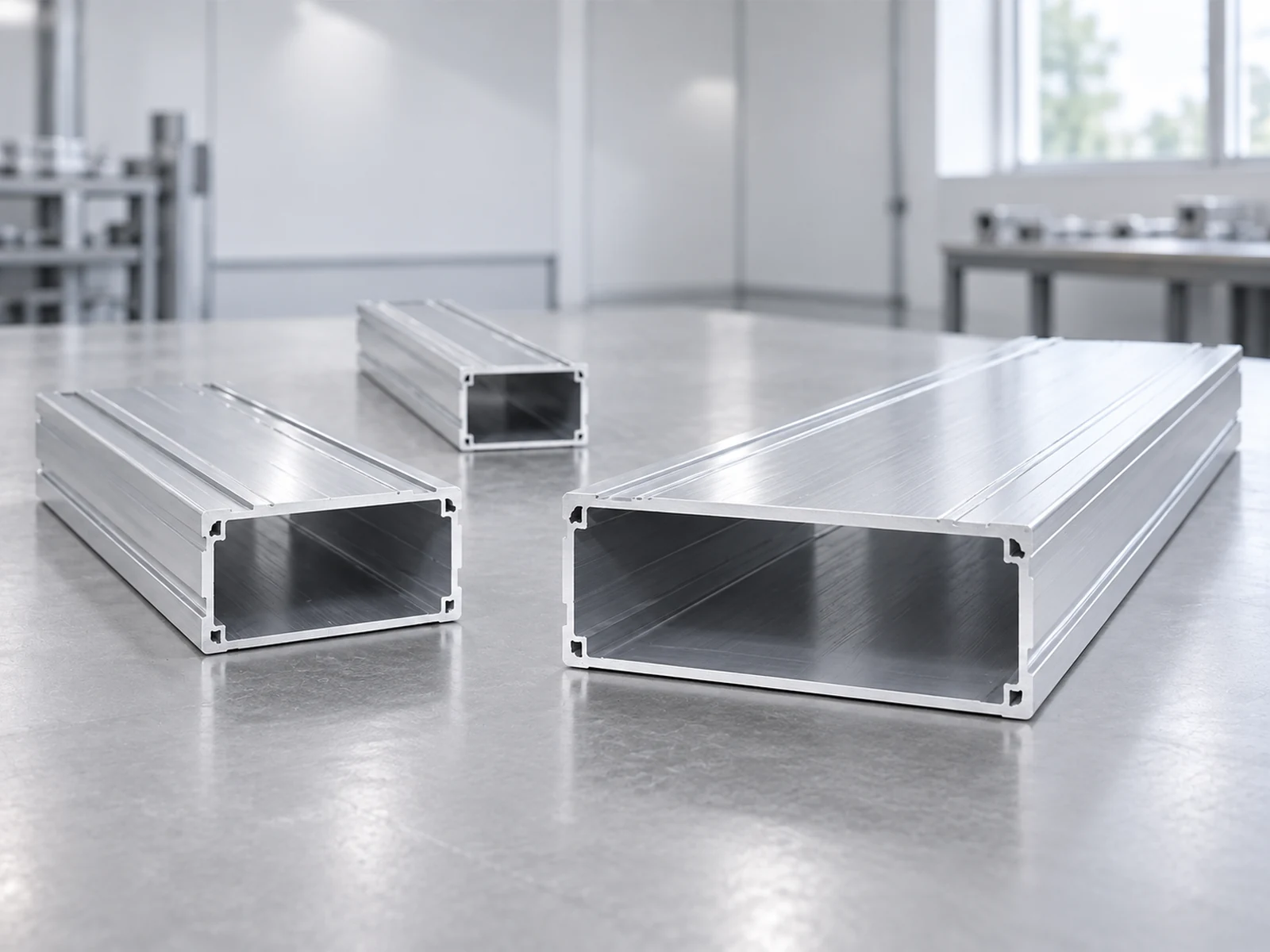
Define the retained work of an aluminum saw for medical equipment frames
List the frame members your factory makes, their incoming state and their next manufacturing operation. Separate complete bought chassis, movement assemblies, finished profiles and other purchased mechanical components from retained blank or length-finished member work. A component shown in the final equipment should not become saw demand when it arrives already prepared.
Hydro’s medical application overview gives extrusion examples in diagnostic-equipment frames, hospital furnishings and mobility or rehabilitation equipment. It also describes prepared manufacturing and assembly services. Use these examples to identify possible supply routes; they do not establish JiurunCut’s medical-sector approvals, downstream capabilities or suitability for an unreviewed component.
Make the inquiry specific to the approved frame family you intend to manufacture. A company assembling bought chassis can have little retained profile cutting. Another manufacturer can require loose members for its own mechanical assembly or blanks for separate machining. Compare the saw against the retained work, including the point at which that work is accepted by the receiving process.
Compare three mechanical supply choices
Use a common deliverable when comparing a saw investment with prepared-component sourcing. The following routes show why the incoming object matters. They are options to evaluate against the actual contract and approved manufacturing route, not a universal recommendation to bring work in-house.
| Mechanical supply choice | Retained manufacturing work | Purchase question |
|---|---|---|
| Complete bought frame or module | Receiving and the separately defined final assembly tasks | Which remaining cut jobs justify equipment, if any? |
| Prepared components for local frame assembly | Any remaining member preparation and separately arranged assembly | What condition is delivered and what must be completed locally? |
| Extrusion stock for retained component manufacture | Defined cuts and the actual downstream route | Can the offered cutting configuration deliver the reviewed member mix and handoff? |
Price the required route to the same prepared component or mechanical set. Identify machining, joining, finishing, inspection and transfer that the saw-only offer excludes. A purchased prepared frame and a bare saw are different supply objects. Keeping the comparison complete avoids treating an omitted operation as an unverified saving.
Use the component drawing at its actual manufacturing stage
Identify whether the saw produces a rough blank, a length-finished structural member or a part requiring later end preparation. Use the released component drawing and process stage to specify the output. The overall dimension of an assembled equipment frame is not automatically the saw length of each profile.
Attached connections, machined ends or a later datum can change the relationship between the cut member and the completed frame. State the required length reference, end direction and any approved blank allowance for the actual case. Do not apply an assumed allowance to every member or replace the approved reference with a dimension taken from an equipment photograph.
Keep part numbers and drawing revisions connected to the trial request. If the manufacturing stage changes, review whether the original trial still represents the proposed task. A cut accepted as a rough blank should not silently become evidence for a finished component requirement.
Review section geometry and contact requirements
Provide the actual extrusion cross-sections, incoming lengths, material designation and condition. Show cavities, grooves, ribs, projections and surfaces whose condition matters to the receiving operation. The word frame does not identify the support arrangement or the suitable holding face of a particular profile.
Ask the proposed supplier to review feeding, support, clamping and output collection for the included member cases. Distinguish the required stock envelope from contact and end-quality requirements. A section fitting within a stated machine envelope is not by itself acceptance of the complete cutting arrangement.
Where a member can be presented in more than one orientation, specify the drawing reference and the input condition for the reviewed case. Request a configuration-specific supplier response rather than prescribing a generic fixture from an illustration. Keep any unreviewed orientation or profile outside the accepted trial scope.
Locate cutting relative to machining and surface finishing
Describe the next operation for each member. A blank sent for machining can have different end and reference requirements from a member transferred directly to frame assembly. Identify which features the saw establishes and which are created later. Request the approved blank requirement from the responsible manufacturing process.
State whether incoming material is unfinished or already has its required surface treatment. For finished incoming profiles, identify the surfaces and condition passed to the receiving operation. If finishing occurs after cutting, keep that later process and its acceptance separate from the saw output. Do not claim the cut piece is ready for assembly while required preparation remains incomplete.
Use the material and finish specifications approved for the actual component. General application descriptions do not establish a medical-grade alloy, compatibility with a cleaning agent or suitability for sterilization. Another producer’s anodizing, coating or assembly services are not included in a JiurunCut cutting machine quotation unless independently confirmed as an actual offered scope.
Separate frames from moving and purchased mechanical modules
A mechanical equipment package can include an extrusion frame alongside bought motion assemblies, wheels, covers, plates or complete subframes. Identify their delivered state and the factory’s responsibility for each. The profile saw should not be asked to cover all objects simply because they belong to one finished product.
If an assembled or joined object is proposed for cutting, request a separate review based on its actual geometry and required result. Do not transfer acceptance from a loose-member trial to a completed chassis. State exclusions explicitly and identify the route that supplies those components to the same mechanical set.
Consider these dependencies in the investment comparison. A frame set can await a bought movement module even when its cut members are complete. This affects usable mechanical-set availability, but it does not establish a saw performance shortfall. Keep the separate causes visible rather than converting every assembly delay into an unsupported cutting-capacity claim.
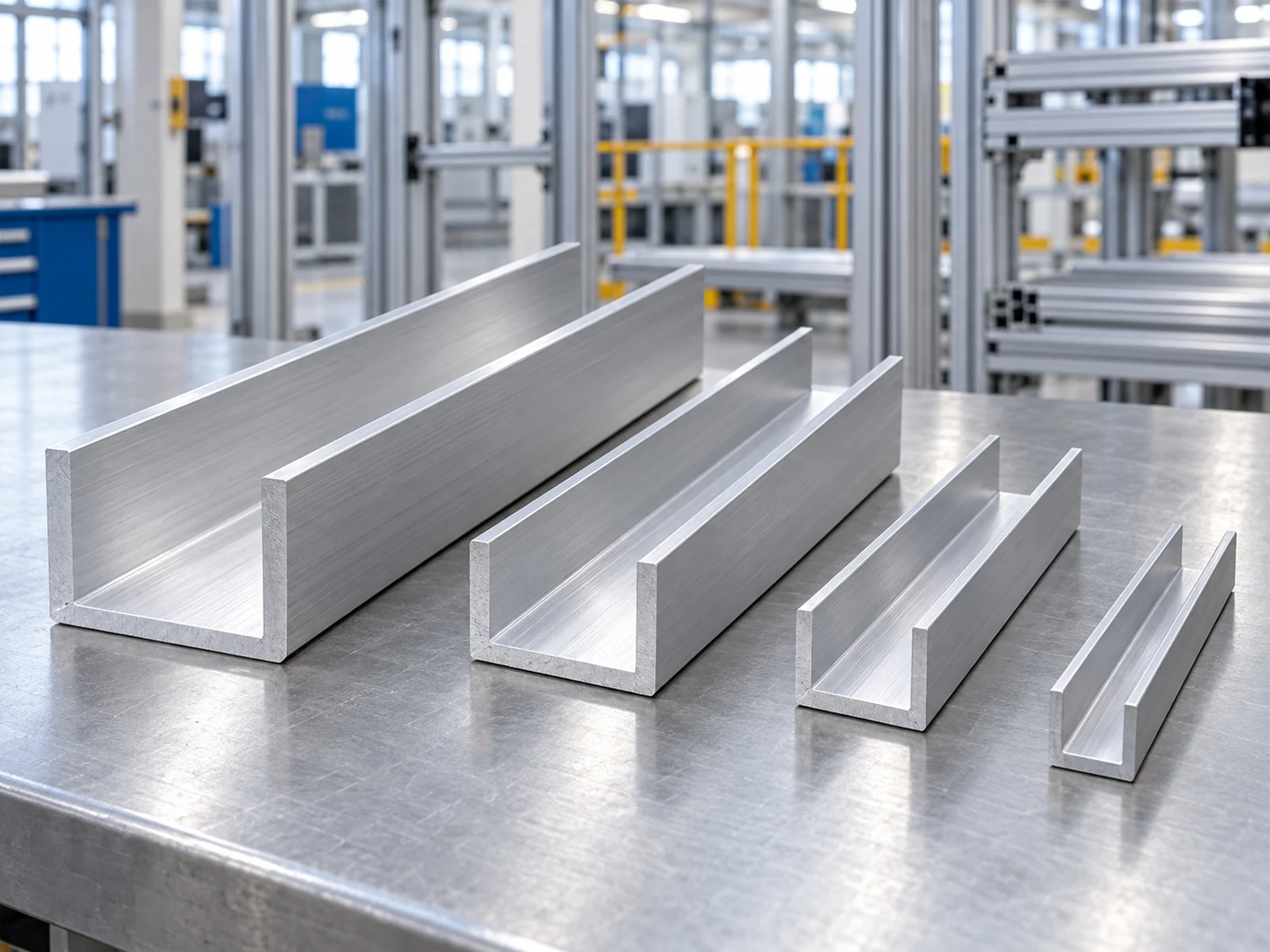
Compare the actual frame-family production mix
For an aluminum saw for medical equipment frames, use the actual product families and approved member cases that materially affect cutting. Identify section changes, end geometries, incoming conditions and output handling. Avoid substituting a broad list of healthcare products for a representative manufacturing workload.
A trial mix should reflect the retained repeat members and the smaller batches that require meaningful changes in setup or references. Mark forecast demand as a planning assumption where releases are uncertain. Compare the proposed arrangement through preparation, cutting and transfer, with any required family changes on the same scope.
Record observed trial results separately from production estimates. Identify the trial machine, configuration, stock, supports and conditions, together with differences from the offer. A short cutting-time demonstration does not establish the elapsed time to supply a complete frame set, and it should not become a guaranteed throughput number without the appropriate evidence.
Define the receiving handoff and required records
Ask the receiving process how it accepts a cut member: by the component’s approved identity, required dimensions and end condition, surface state and processing stage. Define the information and physical transfer needed at that point. Confirm which functions and records the offered station actually supplies and which the buyer maintains elsewhere.
Keep member identity connected to the approved release through family changes and drawing revisions. Describe how your existing manufacturing system handles stock, already cut parts and incomplete sets affected by a change. The saw inquiry should identify any required interface without assuming included software, automatic identification or a quality system from an application picture.
For inspection, use the specified references and condition for the actual component. If a frame assembly establishes a different condition or reference, retain the distinction in the manufacturing records. This discussion does not set inspection criteria for a medical device; it asks the equipment buyer to preserve the criteria already approved for the member work.
Choose trials that resolve the equipment decision
Select actual production stock and approved component drawings. Include the case that resolves section support and contact, the end or length case that affects the next process, and a materially different family where the quotation claims to cover it. Explain the purchasing question each case must answer.
The sample cutting trial checklist helps connect input identity, requested output, actual model and configuration and recorded results. Preserve measurement references, relevant end and surface observations, exclusions and remaining questions. A requested requirement is not an achieved trial result.
Where the trial uses different supports, equipment or input condition from the quotation, record the relationship before accepting the offer. Any claimed coverage should be tied to the reviewed cases. Do not broaden a satisfactory cut on one component into acceptance of all healthcare equipment frames or their final assemblies.
Keep machine acceptance separate from finished-equipment release
Acceptance of a cutting station addresses its defined manufacturing tasks and supplied scope. It does not establish the finished medical equipment’s regulatory conformity, patient suitability, structural rating, electrical performance or cleaning and hygiene requirements. Keep those matters with the responsible product, manufacturing and release processes.
Use the JiurunCut aluminum cutting equipment range to begin the equipment discussion. Request the proposed model and configuration, actual reviewed sections and ends, included support and transfer provisions and the trial basis. Do not treat an application label or another supplier’s sector experience as approval of the supplied cutting machine.
See JiurunCut cutting equipment in operation
This JiurunCut video provides equipment inquiry context. It is not a trial of medical frame stock, proof of the proposed configuration or a medical equipment approval. Agree the actual retained member cases and manufacturing acceptance evidence separately.
Prepare a complete medical-frame manufacturing inquiry
Send the retained-versus-bought mechanical scope, released member drawings and revisions, incoming stock and material condition, length references and end requirements, machining and finishing handoffs, receiving-operation criteria and a representative frame-family mix. Identify bought modules, separate stock formats and unreviewed assembled objects as exclusions.
Contact JiurunCut with your medical-equipment frame cutting requirements and request a configuration-specific proposal with the included manufacturing scope and trial plan. A clear member-to-frame boundary supports a complete equipment purchase while keeping finished-product responsibilities tied to their actual evidence and owners.