
An aluminum saw for a training workshop should be chosen for the practical work the workshop intends to deliver. A machine that looks suitable in a demonstration does not by itself create a usable teaching station. The purchase also needs an agreed task scope, suitable material handling, instruction, an assessment process and a realistic arrangement for the people attending each session.
The central buying decision is which cutting work the workshop will retain. Some courses may use prepared members for assembly, some may demonstrate a process, and others may include supervised practical cutting tasks. Those are different equipment requirements. Define them before comparing manual, semi-automatic or programmed cutting configurations.
This guide addresses the complete purchase for a vocational, apprenticeship or industrial training workshop. It does not prescribe a curriculum, certify a facility or provide a learner-to-supervisor ratio. The responsible institution must determine the requirements for its actual learners, equipment and jurisdiction with competent support.
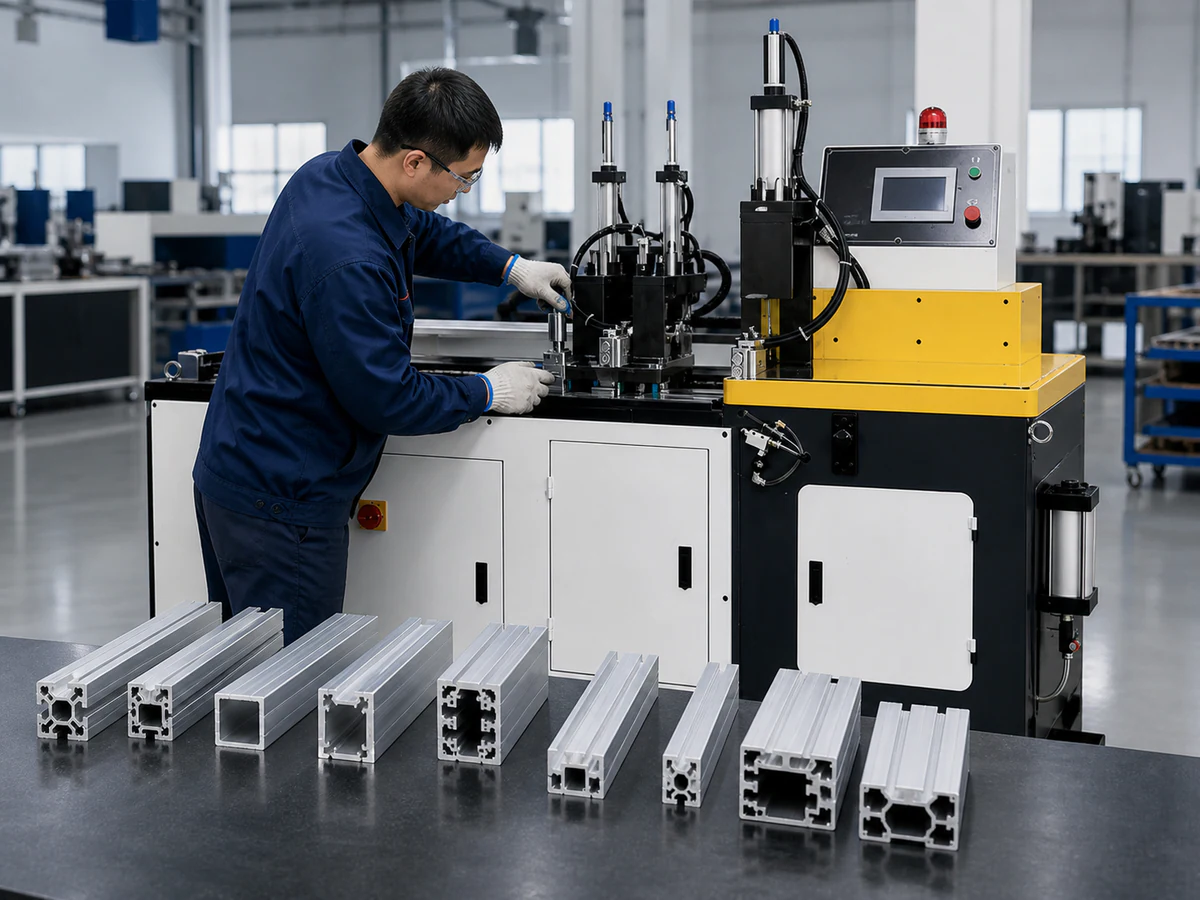
Decide what the workshop will teach through actual cutting
List the practical tasks that require the saw, together with the material, drawing and receiving requirements. A broad description such as aluminum fabrication is not enough to select the station. Identify whether the retained work involves straight members, angled ends, different sections or repeated lengths, and what the next operation expects from those pieces.
Separate cutting from the rest of the learning route. The workshop may buy prepared members for a frame assembly exercise while retaining raw-stock preparation for another exercise. A saw purchase cannot be justified by counting all assembly pieces as internal cutting demand when many will arrive ready for use.
Also distinguish a demonstration from a learner practical task. Watching a configured station cut an example, setting up an agreed job under supervision and receiving the finished member involve different arrangements. State which activities the institution intends to provide and which remain outside the initial scope.
Record the intended incoming material. A particular training sample does not represent every section learners may encounter later. If the proposed course includes different stock forms or end requirements, identify those as separate tasks in the supplier inquiry. Preserve uncertain future exercises as proposed additions rather than treating them as already covered.
Compare three scope choices for an aluminum saw for a training workshop
Buying prepared members can allow assembly and receiving exercises without an internal cutting operation. It places the member specification, quantity, drawing revision and delivery timing into the purchasing route. It also means that cutting setup and execution cannot be presented as practical tasks delivered by that supply arrangement.
A demonstration station provides a defined cutting example within the institution’s assessed arrangement. It needs suitable equipment, supports, instruction and responsibilities even if attendees mainly observe. Calling equipment demonstration-only does not remove the need to assess the actual use and site.
A supervised practical cutting station retains specified tasks for the workshop. Its scope needs to connect the quoted configuration to material receipt, preparation, cutting, output checks and the next exercise. The institutional team must determine who is authorized to perform which activities and how the agreed arrangement will operate.
| Purchase arrangement | What it can support | What remains outside that evidence |
|---|---|---|
| Prepared members purchased for exercises | Defined receiving and assembly tasks | Internal saw setup and cutting experience |
| Assessed demonstration station | Agreed process demonstration | Automatic approval for every attendee to operate it |
| Released supervised practical station | Named cutting tasks within the institution’s arrangement | Unassessed materials, tasks or independently operated sessions |
These are scope choices, not a hierarchy in which the largest machine always teaches more. The institution should compare the tasks each arrangement actually provides, the resources it requires and the work it deliberately purchases elsewhere.
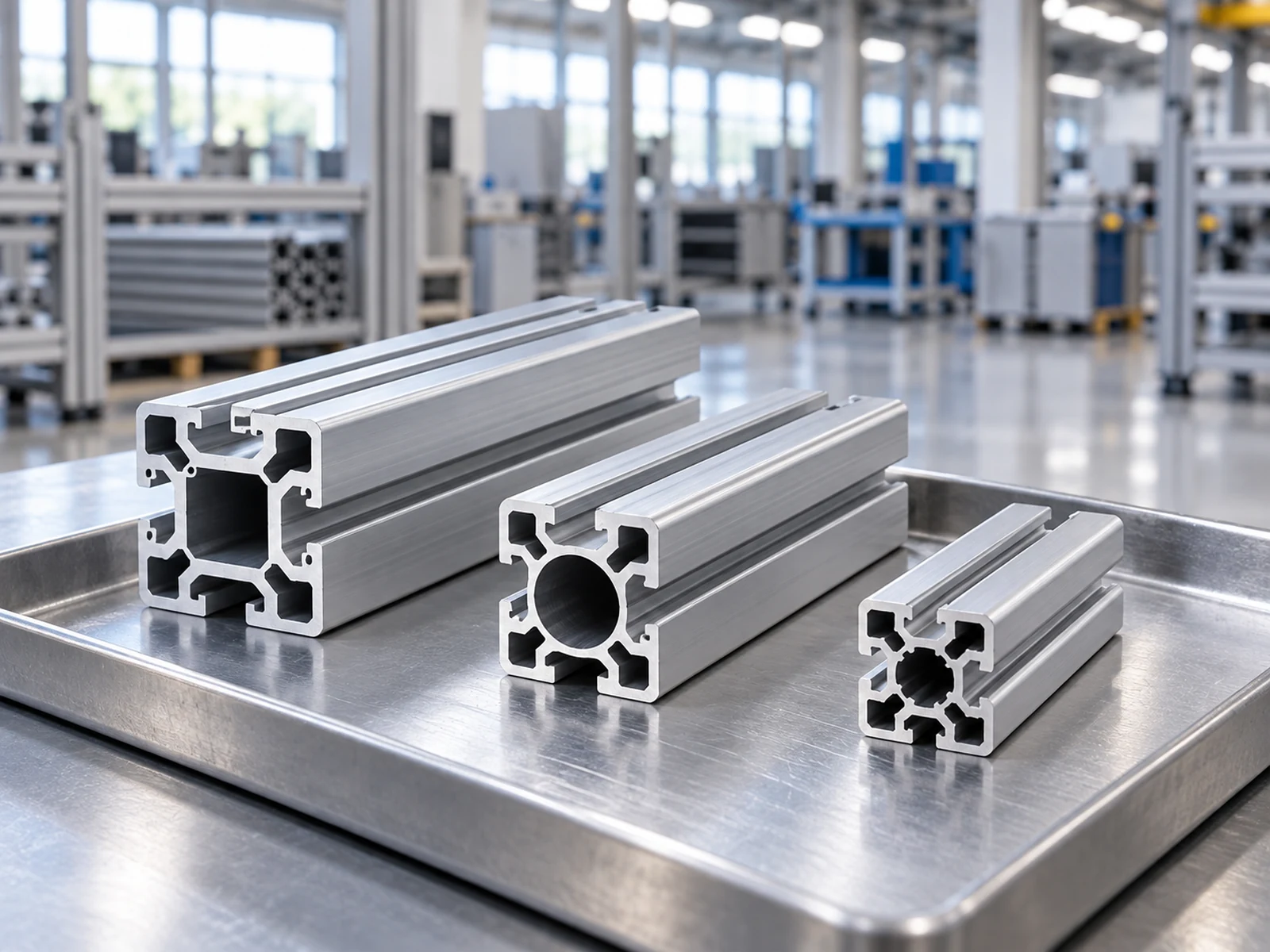
Build the station requirement from a complete exercise
Choose a representative exercise and follow the material from receipt to its next operation. Record the stock identity and condition, drawing revision, member list, intended end requirements and output checks. Identify how prepared members will be kept associated with their exercise or assembly.
Then identify which parts of that route require the saw. If an exercise uses both straight members and angled members, ask the supplier to respond to each task. Do not assume that a proposed straight-cutting configuration also covers the angled members because both use the same material.
Describe the supports and handling interfaces the exercise needs. Long stock and finished members require suitable arrangements before and after the cut. Existing benches should be assessed for the proposed role rather than included in the offer comparison as automatically compatible equipment.
Keep the intended output requirement explicit. The next exercise may rely on member length, end orientation, assembly references or identified sets. Ask for assessment against those receiving requirements. A machine’s positioning statement should not be presented to learners or procurement staff as guaranteed finished-part accuracy.
Specify what evidence will support the configuration choice. An agreed sample assessment can address a defined task. It does not prove that the workshop’s entire proposed course portfolio can be delivered, nor does it replace the institution’s decision about how the equipment may be used.
A hypothetical session plan exposes a shared-resource problem
Suppose a workshop has one supervised practical station and two sessions on the same day. Session A needs four frame sets, each containing four straight members. Session B needs six bracket exercises, each using two prepared members. These quantities are only an illustration; they are not a machine rate, a Jiurun customer result or a recommended class size.
The frame requirement is sixteen members and the bracket requirement is twelve. Now suppose the workshop has eight accepted frame members and buys all twelve bracket members in advance. Only eight frame members remain for the internal cutting route. Counting all twenty-eight members as saw demand would misrepresent the proposed practical work.
The timetable can still fail even though the internal quantity is small. If the same responsible staff member must receive the purchased bracket members during the frame cutting session, that person’s availability has two demands. A faster proposed saw does not resolve that conflict. The institution needs an actual staffing and receiving arrangement for the agreed activities.
Change the example again: the purchased bracket members arrive after their assembly session. They still appear in the day’s total supply, but do not cover the handover when needed. Quantity and timing must therefore be recorded together. The same applies to unfinished internally cut members that have not passed the exercise’s receiving checks.
The useful purchase comparison asks which arrangement covers the named practical tasks at their scheduled handovers. It does not turn every learner activity into a cutting cycle or promise that an automatic configuration removes instruction and receiving work.
| Illustrative requirement | Available accepted supply | Remaining internal work |
|---|---|---|
| Four frame sets of four members: sixteen members | Eight accepted members allocated to the exercise | Eight members, plus the actual preparation and receiving work |
| Six bracket exercises of two members: twelve members | Twelve purchased members, conditional on timely receipt | No cutting quantity if all purchased members are accepted in time |
| One responsible person allocated to two simultaneous duties | No independent staffing availability established | Resolve the arrangement; do not convert this into machine capacity |
Replace every illustrative value with the actual exercise data. Add the task owners, material receipt dates, preparation responsibilities and release decisions. Unknown inputs should remain unknown until the responsible parties provide evidence.
Choose the control arrangement for the learning tasks
A programmed configuration may be relevant when the retained tasks include repeated lengths or agreed programmed jobs. The buyer still needs to ask what learners and authorized staff will actually do with that control. Loading an established job and developing a new job are different activities.
Ask what information can be entered, displayed, retained and retrieved through the actual offered system. Identify the supported instruction and documentation for that configuration. Do not assume that a familiar file format, existing job library or external course worksheet will run unchanged on a different control.
A manual or semi-automatic proposal should also be assessed against the retained exercise route. Its suitability depends on the actual material and task requirements, supports and assessed use. Neither a smaller purchase price nor simpler-looking controls establishes that a configuration is appropriate for the intended learners.
Keep equipment demonstration claims separate from pedagogical claims. A supplier can explain an offered configuration and assess agreed cutting tasks. That does not establish a qualification outcome, course accreditation or institutional authorization to deliver a programme.
Write the initial task scope into the comparison. If an institution expects later exercises to expand that scope, ask what further assessment and provisions would be needed. Treat future expansion as a separate decision rather than a reason to promise unlimited capability in the first purchase.
Make instruction and documentation part of the offer
Ask whom the supplier’s instruction is intended for and which activities it covers. Configuration-specific instruction for the institution’s responsible staff is not the same as teaching every incoming learner group. State what continuing instruction the institution will provide and what supplier support is included.
The UK’s HSE work equipment and machinery FAQs discuss adequate training and the need to consider changes in equipment or the system of work. This is useful context for planning the introduction of equipment. It does not certify a training workshop or determine another jurisdiction’s requirements.
Obtain the actual operating and installation information for the quoted configuration. Identify the language and form in which it is supplied, the institution’s access to it and the responsible party for retaining current information. A sales presentation cannot substitute for the machine’s applicable instructions.
Ask what support is available if the course team encounters a question about the agreed configuration. Define the communication route, included scope and exclusions through the actual offer. Avoid converting a general support statement into a guaranteed response time or a promise that every future exercise will be supported.
Plan material storage and receiving alongside the station
A practical workshop needs a way to distinguish stock ready for an exercise from finished members ready for assembly. Keep the material and drawing identity associated with each exercise set. Unidentified offcuts and remnants should not be counted as suitable exercise supply merely because they are already in the room.
Consider the incoming and outgoing lengths in the proposed layout. A machine footprint alone does not describe the complete stock path. Provide the supplier with the actual available area and intended movement route, and ask which supporting provisions need assessment.
Identify how output checks will be conducted within the institution’s arrangement. The member requirement may be connected to a downstream assembly exercise or a separate receiving task. Allocate responsibility for accepting, identifying and routing those members rather than assuming that cutting completion is the end of the exercise supply route.
Describe the change between scheduled tasks. Different stock, member lists or end requirements may require different preparation and assessment. Use actual supported information to plan the transition; do not invent a universal changeover allowance or assume every session can start immediately after the previous one.
Compare quotations on the same complete scope
Send each supplier the same retained exercise portfolio, incoming stock and receiving requirements. Request a configuration response, supporting equipment scope, applicable site prerequisites, instruction, assessment and documentation. Record which provisions the institution must supply.
Separate machine delivery from readiness for the planned practical route. The institution needs a responsibility map for positioning, site work, installation, configuration assessment and the decision to introduce the agreed activities. Do not equate a shipment date with the first deliverable session.
Record bought prepared members and demonstration-only tasks outside the internal cutting scope. This prevents one proposal from appearing to cover more practical work simply because its description counts every activity in the course.
Use actual quoted costs and exclusions. Include separately identified supports, site provisions, instruction or assessment work when they are necessary for the comparison. There is no useful universal price premium, saving or payback period that applies to every training workshop.
Equipment video for the configuration discussion
This Jiurun equipment video provides visual context for a cutting-machine discussion. It is not evidence that a proposed training workshop, learner activity or exercise has been assessed. Confirm the offered configuration and retained tasks through the actual inquiry.
What to send Jiurun about a training workshop purchase
Explain the institution’s intended practical tasks and the work it plans to purchase as prepared members. Provide representative material and section information, member drawings, end requirements, receiving checks and the proposed exercise handover sequence. Keep demonstration-only work clearly identified.
Add the proposed stock path, available site information and the supporting provisions you already have. Describe the intended roles of responsible staff and learners without asking the machine supplier to determine institutional authorizations. Request an actual configuration and introduction-scope response.
The Jiurun aluminum cutting equipment range can start the comparison. Assess the proposed configuration against the defined tasks rather than treating the equipment category as proof that a full course portfolio is covered.
Use the sample-cutting assessment checklist to organize the agreed member evidence. Keep the workshop purchase broader: materials, supporting equipment, instruction, receiving and the practical-session arrangement all need a defined response.
Discuss your training workshop’s retained cutting tasks with Jiurun. A useful inquiry states what the workshop intends to provide itself and what arrives prepared. That distinction helps the quotation address a complete practical route.
Questions about a training workshop saw
Does an automatic saw remove the need for instruction?
No. The institution still needs an assessed arrangement for its actual equipment, people and tasks. Automation should be compared through the work it supports, not used as a substitute for that decision.
Can purchased members be counted as practical cutting output?
They can supply the specified receiving or assembly task if accepted in time. They do not establish that the workshop has delivered internal setup and cutting practice.
Can one assessed exercise cover every later section?
The evidence supports its agreed task and configuration. A different section, end requirement or supporting arrangement needs its own consideration before being treated as covered.
Should a workshop buy the largest available configuration?
Choose through the retained practical portfolio and complete station requirements. A larger machine is not evidence of a better fit, a teaching outcome or a released institutional arrangement.