
An aluminum saw for bicycle manufacturing should be purchased for the component-making work your business retains. A company assembling bicycles from bought-in frames and wheelsets has a different requirement from a factory making frame members or preparing rim stock. The presence of aluminum on the finished bicycle does not establish how much saw work exists inside the factory.
Before asking for a machine recommendation, connect three things: the components you manufacture, the condition in which their material reaches your cutting station, and the output accepted by the next process. Then compare the proposed station with buying prepared parts or continuing the current route. A quotation becomes useful when those alternatives deliver the same accepted component-stage output.
This guide addresses industrial equipment purchasing. It follows the buying decision across component scope, production mix, trials and economics. It does not specify bicycle geometry, approve a material or qualify a bicycle for riding. The numerical order example is invented to explain manufacturing allocation, not a Jiurun performance result.
1. Separate bicycle assembly from aluminum component manufacture
Begin with a make-or-buy list for the products you sell. Mark each item as purchased finished, purchased partly prepared or manufactured in-house. A bicycle bill of materials can contain many aluminum items, but only some may require cutting within your own operation. Do not add the supplier’s manufacturing volume to the workload used to justify your saw.
Hydro’s bicycle component overview discusses applications including frames, forks, handlebars, cranks and rims. It also describes shaping and joining processes associated with different components. This variety supports a component-specific inquiry; it does not mean that these components share one stock form or one cutting route.
For each retained component, describe the supplied form and the process you actually perform. A frame business might receive identified tubes or prepared members. A rim manufacturer might start from a released extrusion. A factory producing a formed component may receive a blank or an already shaped part. Use your real route rather than treating every visible aluminum component as straight tube stock.
Consider an assembler buying finished frames and wheels while retaining only an identified component operation. Its cutting investment should be evaluated against that retained operation. By contrast, a component supplier selling prepared members to several assemblers needs to evaluate the orders, families and delivery conditions of that component business.
Write a one-sentence purchase boundary: the input received, the operations included and the output supplied. If that sentence still says only bicycle production, the quotation scope is too broad. Explain which work remains with material suppliers, forming or machining departments and final assembly.
2. Map the different component routes before selecting equipment
A frame-member route needs the specific member drawings and their cutting-stage requirements. Identify whether the proposed station prepares blanks for another process or establishes a later member condition. An assembly drawing can provide context, but it should not force the saw supplier to infer every intermediate dimension and end form.
A rim route needs its own input and transfer specification. State what reaches the cutting station and whether the received output proceeds to forming, joining or another preparation step. A dimension on the completed rim should not automatically become a straight-stock cutting instruction. The responsible production route must define the relationship.
Handlebar, seatpost or other component inquiries should likewise name the actual incoming part. A station evaluating straight material has not automatically been evaluated for a formed, tapered or otherwise changed part. Describe the geometry and operation being assessed instead of using the component name as a capability test.
| Business or route | Information needed for the saw inquiry | Separate responsibility |
|---|---|---|
| Finished bicycle assembly | Only the identified cutting retained in-house | Manufacture and acceptance of purchased components |
| Frame-member manufacture | Member families, received stock and released cut-stage drawings | Other end preparation, joining and frame acceptance |
| Rim-component manufacture | Actual profile, process order and receiving condition | Forming, joining and finished-rim requirements |
| Other prepared component route | Actual incoming geometry and the quoted cutting operation | Remaining shaping, machining and component qualification |
The table organizes purchasing questions; it is not a universal bicycle production sequence. Some businesses outsource much of a route, and some perform additional operations themselves. Draw the route used for your own released product and ask each supplier to quote that same boundary.
When more than one route would share a station, list them separately. The offer should identify which families and operations have been assessed, what changes are required and what remains unresolved. A general statement that the machine cuts aluminum does not answer the full combined inquiry.
3. Supply the member drawing at the stage being purchased
Provide section information, material designation and condition, relevant dimensions, end form and inspection references for each family. Use the actual drawing revision. Avoid selecting stock or setting a component wall requirement from an editorial photo, a finished bicycle image or a generic material description.
Keep a blank length, a prepared member length and an assembled frame dimension distinct. The relationship among them belongs to the released manufacturing information. If forming, machining or another operation changes the member after cutting, identify the intermediate requirement that the cutting station must meet.
End preparation needs the same clarity. A straight or angled cut, a later connection-facing feature and the finished fit at a joint are separate requirements. Identify which features the proposed offer includes. Do not assume that a saw-only quotation includes all the machining or preparation needed to assemble the component.
Explain the receiving inspection. If the next department relies on a particular reference, show that reference on the cut-stage drawing and define the accepted transfer condition. For a process involving separate hole work, use the cutting and drilling discussion to keep the two operation scopes explicit.
A machine positioning or feeding figure is not a guarantee of the finished member result. The offered equipment, material, setup, handling and agreed measurement must be evaluated together. The result accepted at cutting also does not prove the performance of the completed frame, wheel or bicycle.
4. Assess the size and model mix that will actually use the saw
Bicycle component demand can include several product sizes and models. Prepare a representative order list rather than quoting only the busiest single family. Identify the changes in members, sections, ends or process requirements that matter to the station. A family remains distinct when the released production information requires it, even if its pieces look similar.
For frame-member supply, connect each accepted member family to the product sizes it serves. Explain any approved commonality using the released information. Do not pool different members merely because they have a similar appearance or because a substitution would help complete an order.
For example, an invented order contains 30 sets of size A and 20 sets of size B. Assume each set requires one separately identified main member and two separately identified support members, and that no member is interchangeable across sizes. The order needs 30 A main members, 60 A supports, 20 B main members and 40 B supports.
Suppose the receiving stage accepts 32 A main members, 54 A supports, 20 B main members and 44 B supports. Those quantities support 27 complete A sets and 20 complete B sets: 47 sets against the 50-set order. The total accepted count of 150 pieces does not resolve the three missing A sets. Extra B supports are not available A supports under the example’s stated rule.
This calculation describes allocation, not an actual bicycle design. Use the member count and interchangeability in your own released product. The important purchasing question is whether the station and its surrounding workflow can deliver the mix needed by the receiving department, rather than a large undifferentiated piece total.
Include low-volume completion work in the order sample if it recurs. A small run to replace one rejected family may involve another setup and transfer sequence. An offer assessed only through a long run of one member can overlook that recurring work.
5. Identify the constraint and compare the complete retained route
Document why the investment is being considered. Is the current recurring delay at cutting, preparation before cutting, sorting, receiving inspection or a later operation? Use actual observations with a clear start and end point. A saw can improve an assessed cutting job while leaving a different production constraint unresolved.
Record the work within the proposed station’s boundary: receiving and loading material, setting the job, cutting, checking output, collecting and transferring it. Include the changes in the representative order mix. Label a cutting-cycle observation separately from accepted component-stage output over the whole interval.
Then compare the relevant alternatives. One may keep cutting in-house with current equipment; another may purchase a new station; another may buy specified prepared members. Use the same accepted output and delivery requirement. A supplier-prepared part price cannot be compared fairly with a machine price while ignoring all the preparation retained by the machine route.
Build a worksheet using actual inputs where available. Separate material purchase and preparation, observed labor or time, handling, checking, any documented rejected output and the costs stated in the equipment offer. Record which costs are measured, quoted or forecast. Leave missing inputs open rather than inventing a standard saving percentage.
Consider the order mix after the investment. If the proposal assumes much longer batches, explain where those batches will be stored and how the next process receives the correct mix. Lower setup frequency can come with other consequences that deserve measurement. Buying prepared members can also change receiving and supply responsibilities, which should remain visible in the comparison.
A sound decision may favor the new saw, prepared supply or the existing route. The worksheet’s purpose is to reveal which option supports the actual business requirement. It should not be structured to produce a predetermined payback or justify cutting work that the factory does not retain.
6. Trial representative components and important changes
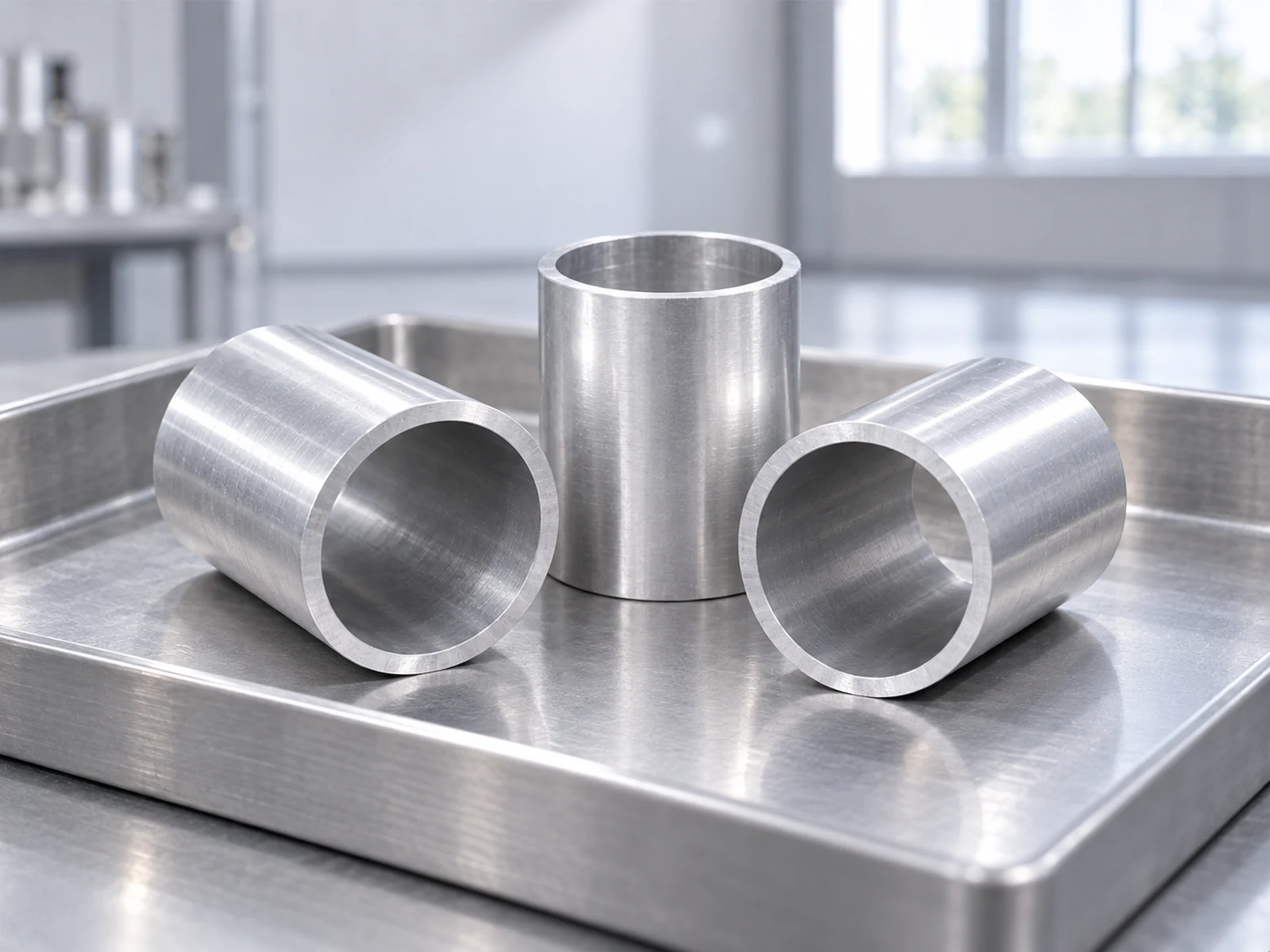
Select a bounded trial package from the components affecting the purchase decision. Give the supplier released drawings, material information, stock condition and the required receiving checks. Agree what configuration and sequence will be evaluated. A demonstration using convenient unrelated stock provides limited evidence for your actual component route.
Where the proposed investment serves several families, include meaningful differences rather than several copies of the same simple member. Discuss the change between those families and the handling required to complete the agreed job. Record actual observations without extending them to material or geometry that was not included.
Define what constitutes accepted output before the trial. Record the measurement references and the disposition of pieces that do not meet the agreed requirement. If another operation or assembly check is included, identify its separate configuration, responsibility and criteria. Keep the saw result and the later process result distinct.
For a shared station, ask how the supplier accounts for the actual incoming forms. A straight blank, shaped workpiece and separately purchased component can present different questions. The quote should identify assessed conditions and open cases; a single successful cut should not be used to close every family in the purchasing list.
Request an evidence record that connects the offered configuration to the trial inputs and accepted output. Record unresolved cases and the information needed for further assessment. Neither a generic video nor a brochure photo proves that your frame-member, rim or other component package has been evaluated.
7. Make competing quotations comparable
Send the same component and order package to the suppliers being compared. Identify received stock, included operations, required output and the trial boundary. Ask each offer to state assumptions rather than leaving them embedded in a general machine description.
Compare loading and support provisions, stated holding and cutting functions, collection arrangements, site requirements and the responsibilities included in delivery. List any separate preparation or processing equipment. A saw-only price and a package containing additional operations describe different purchases.
Ask which configuration is proposed for each assessed component family. Keep optional items separate from supplied items. State what the factory must provide and identify the installation, training and service arrangements actually offered. Do not infer those arrangements from a generic industry application page.
When buying prepared members remains an alternative, request its equivalent boundary: input specification, delivered member condition, identification, order allocation and receiving acceptance. Compare the work left with your business. The choice between equipment and prepared supply depends partly on where your process begins and ends.
Review open assumptions before treating an offer as final. An unresolved material condition, end requirement or family change can affect the relevant assessment. Record the pending information and how it will be resolved instead of treating a general machine selection as an answer to the complete route.
8. Send a focused aluminum saw for bicycle manufacturing inquiry
Tell Jiurun whether you assemble finished bicycles, manufacture identified aluminum components or perform both. Name the component families retained in-house and the condition in which their material arrives. Identify any forming, machining, joining or purchased-component work outside the proposed saw scope.
Attach the released component-stage drawings, section information, material designations and representative stock photographs. Include the typical size and model mix, required accepted quantities, important changes and the receiving checks. Explain the constraint that the investment should address.
Request a proposal tied to those actual jobs. Ask for included functions and supporting provisions, assessed families, assumptions, unresolved cases and a representative trial plan. Compare Jiurun aluminum cutting equipment with the defined component operation rather than expecting a saw quotation to describe an entire bicycle factory.
Frequently asked purchasing questions
Does every bicycle assembler need an aluminum saw?
The requirement depends on cutting actually retained in-house. An assembler buying finished components should identify that retained work before using the finished bicycle’s aluminum content to justify equipment.
Can frame, rim and other component work be grouped in one inquiry?
Yes, if each actual input, operation and output is described separately. Ask which families and changes have been assessed for the proposed configuration. Shared material does not establish a shared manufacturing route.
Should the saw quotation use the completed bicycle dimensions?
Supply component-stage requirements for the operation being purchased. Overall product dimensions can provide context, but the responsible route must define intermediate member lengths, ends and references.
How should the investment be compared with buying prepared members?
Compare the same accepted output over a clear delivery boundary. Include the preparation, handling, checking and changes your business retains. Keep measured costs, quoted prices and forecast workload separate.
Send Jiurun your bicycle-component drawings and retained cutting route to discuss a configuration assessment and the evidence needed for the purchase.
Watch the cutting stage in context
The Jiurun video below provides general aluminum cutting context. It is not a bicycle-component trial or evidence for the invented size-mix example. Compare the actual offered configuration with your component-stage requirements.