
For aluminum debridging, distinguish poured intermediate stock from material confirmed complete for the agreed route. Decide whether to buy that completed state or arrange the outstanding work separately.
Aluminum debridging concerns a remaining metal connection
Azon’s pour-and-debridge description treats filling and subsequent removal of an aluminum strip as distinct steps. This is its process description, not a statement about the completion of a buyer’s delivered batch.
Hypothetical purchasing example: a window-frame manufacturer receives an offer for poured profiles. The buyer initially expects to send them into an existing cut-length plan whose incoming material is already released for the selected system. The material supplier then clarifies that the metal bridge remains in this fictional batch.
That reply changes the object under consideration. The factory is being offered an intermediate product rather than the completed input it expected. Neither the original assumption nor the supplier’s clarification is a real customer case, a JiurunCut quotation or an application assessment.
The useful next decision is not which saw setting to change. It is whether the material supplier will deliver the required completed state, or whether the buyer intends to purchase the intermediate and arrange the remaining operation with a confirmed process provider.

Filled material is not automatically the agreed delivery state
In the fictional discussion, the buyer receives a photograph showing polymer in the profile and a sample shortened to a convenient length. Those observations do not answer whether the stated bridge has been removed from the retained profile. A shorter piece can still carry the same unresolved internal connection.
This is a geometric distinction in the example, not a method for inspecting real material. A picture may show only the face presented to the camera. Do not turn an unshown region into a confirmed result, or treat visible filling as the complete history of the supplied section.
The supplier’s statement that this batch is still bridged is more specific than the buyer’s interpretation of the photograph. Preserve that information when considering the order. Renaming it thermal-break stock would not complete the outstanding work, just as cutting it into ordered lengths would not establish its upstream release status.
Nor should the buyer call the material unusable merely because it is intermediate. It may be an appropriate purchase for a factory that has arranged the remaining process. The mismatch is between the offered state and the buyer’s assumed next operation, not a universal verdict on poured stock.
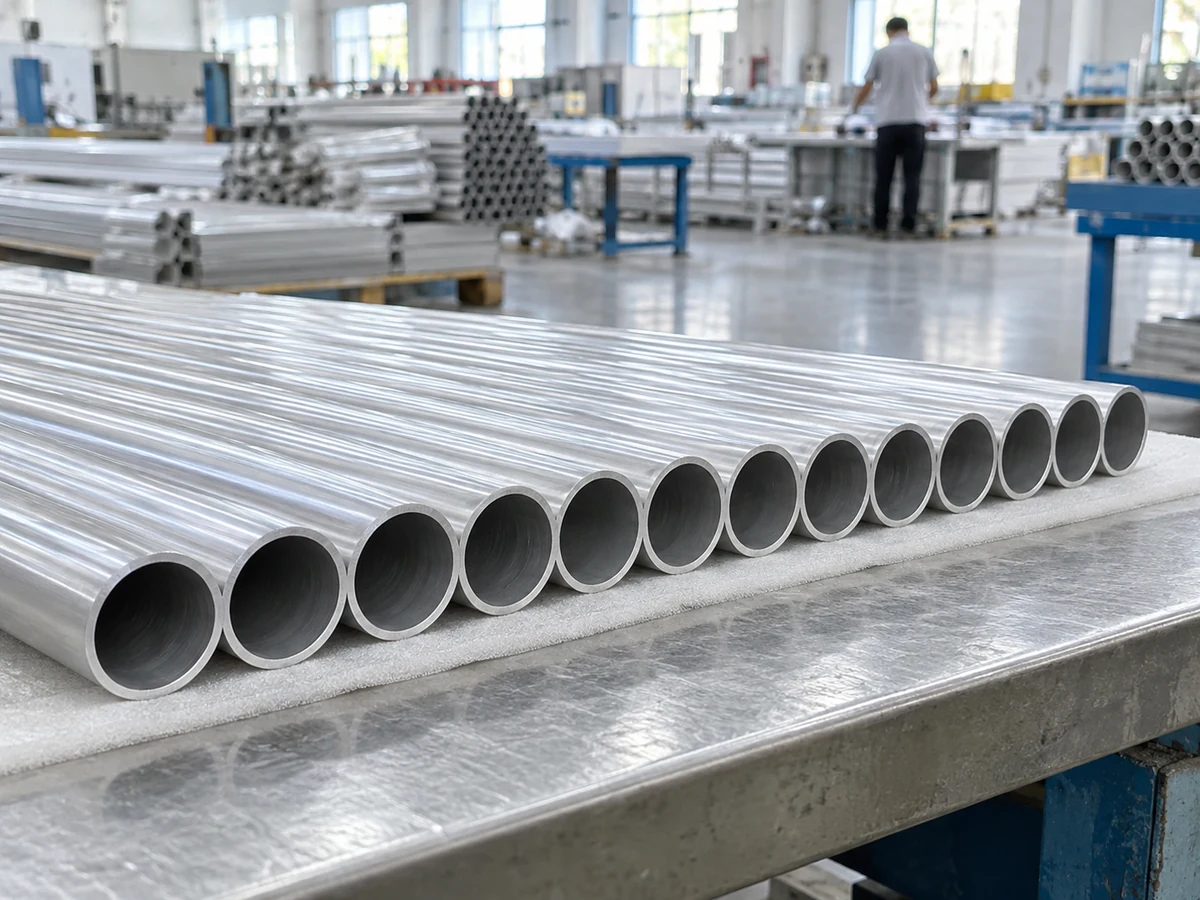
Choose where the unfinished operation will be completed
Buying completed material places the required upstream completion within the material order. The buyer asks for the stock state that its existing cut-length plan actually expects, rather than accepting an incomplete input under the same product description. Completion and release must be confirmed for the supplied product, not inferred from a general brochure.
Buying the intermediate leaves additional production work to arrange. The factory may have a separate provider for that work, but its capability, accepted input and resulting handoff must be confirmed for the selected route. This is not an instruction for when or how to perform debridging, and it does not establish that an existing saw supplies the missing process.
APEL Extrusions describes a different route using a polyamide strut between inside and outside aluminum profiles. This is a named manufacturer’s assembly approach, not evidence that such stock can replace the buyer’s selected poured-profile system.
| Material state offered | What is confirmed in the example | Purchasing consequence |
|---|---|---|
| Still-bridged poured intermediate | Filling is present; the metal bridge remains. | Arrange the outstanding process rather than assuming the expected incoming state. |
| Debridging completed; stock released by the responsible provider | The agreed upstream operation and release are confirmed for this hypothetical supply. | Assess cutting against that actual incoming state. |
| Identified completed polyamide-strut route | Completion belongs to a separately identified assembly route. | Use only with confirmation of the selected system; do not treat it as interchangeable poured stock. |
The third row is not a way to bypass the first row’s missing operation. A supplier offering a different system has changed the proposed material, not merely completed the original order. Any decision to use that system belongs to the responsible product parties before it becomes the cutting input.
Keep the agreed material route distinct from the saw task
Compare the two poured-stock offers at the same intended handoff. One includes the required upstream completion; the other leaves work outside its supply. Their quoted lengths may match, but their remaining production obligations differ. The article establishes no price, time or performance advantage for either purchase.
If the factory elects to keep the intermediate offer, its cutting purchase cannot silently absorb that extra work. Confirm which material state the actual saw will receive under the approved process plan. The plan, rather than the word poured or a sample’s short length, defines the operation being requested.

A focused buyer reply for this fictional order could read:
Our existing cutting plan expects material released for the selected system. Please distinguish your still-bridged intermediate offer from supply with the agreed debridging stage completed. If the outstanding work is outside your offer, we need to confirm its provider and resulting handoff before treating the material as the input our plan requires.
That request does not prescribe manufacturing steps or declare thermal performance. It makes the incomplete purchase scope visible so the buyer can choose what to obtain upstream and what it is prepared to arrange separately.
For equipment-category context, see the aluminum profile cutting machine and CNC aluminum cutting machine pages. These are circular-saw category references.
Send the confirmed material state and required cut pieces
Share the actual supplied section, its confirmed process-completion state and the approved cut-part requirements with JiurunCut. Identify any upstream work still outside the material offer so the inquiry concerns the relevant circular-saw task.
Discuss My Confirmed Profile and Cutting Scope
This article does not establish JiurunCut pouring, debridging, strut assembly, thermal-performance approval or trial services.