
When aluminum multi-aperture extrusion is named in a supply discussion, identify the bars that will actually reach the saw. One integral profile containing two hollows is not the same input as two separate bars. Use the material supplier’s confirmed delivery description, not a die nickname, to define the cutting task.
What aluminum multi-aperture extrusion tells you
Hydro’s Custom-made dies page describes smaller extrusions being produced through multi-aperture dies. The apertures in that statement belong to the tooling. It does not identify the actual contents of a buyer’s delivery or establish an approved saw input.
Bonnell Aluminum’s extrusion-design discussion uses cavities in the context of multiple hollows within a profile design. Those internal spaces describe the profile’s geometry, not the number of independent bars supplied to a cutting station.
These descriptions address different physical levels. An opening in the die, an internal void in a connected section and a separate delivered bar are not interchangeable counting units. Neither source supplies a rule for translating an unexplained two-cavity or two-out label into the buyer’s received stock.
The purchase does not need a new die-design study. It needs a clear statement of what the existing supply arrangement delivers, and which finished pieces the buyer expects from those actual inputs.

Start with the bars that actually arrive
Hypothetical purchasing example: a factory needs aluminum cut members for an established assembly. Its preliminary material enquiry says two-cavity extrusion, but the receiving team has interpreted that as one bar with two internal spaces. The buyer pauses the equipment comparison to resolve the physical supply. All cases below are invented, not customer records or JiurunCut applications.
Case A is an integral profile. The material supplier confirms one connected section containing two internal hollows, supplied as one bar. The requested cut member retains that approved overall section. The two hollows do not become two pieces of stock because they appear separately on the section drawing.
Case B is expressly confirmed as separate stock. In this fictional reply, the supplier identifies two independent bars produced through different die apertures and identifies the section of each. Their separateness comes from that stated delivery confirmation—not from the buyer interpreting the word two. No automatic handling or simultaneous processing is established.
This changes what the equipment proposal must address. An assessment of A’s connected section is not an assessment of B’s independent bars. Conversely, a plan treating A as two separate incoming pieces would describe objects that are not supplied. Resolve that mismatch before discussing how the saw will process the order.
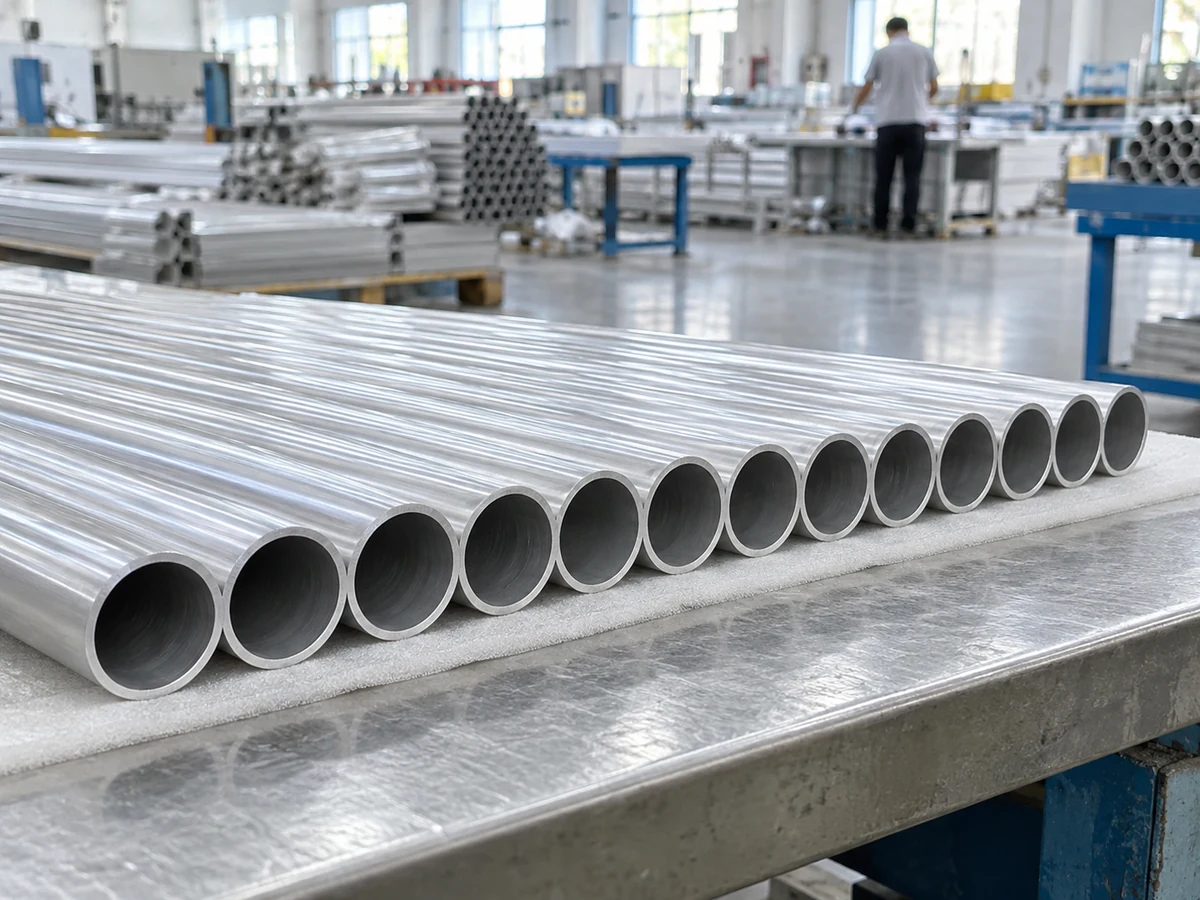
Compare the physical input, not the package label
Case C keeps two independent bars together for delivery. This adds a logistics grouping, not a connection between their sections. It may describe how B arrives, but it does not convert B into A or establish the condition in which both bars enter a machine.
| Hypothetical supply case | Physical object received | Consequence for the purchase plan |
|---|---|---|
| A — One integral profile with two internal hollows | One connected section supplied as one bar. | Define the complete approved section as the input. Do not list its hollows as independent incoming bars. |
| B — Two separate bars explicitly confirmed by the supplier | Two distinct bars identified as outputs from different die apertures. | Assess the cutting task for the actual bars. Their shared tooling origin neither joins them nor approves processing them together. |
| C — Two separate bars grouped in one delivery package | Independent bars presented as a logistics group. | Keep the package distinct from the proposed saw load. Separate or combined processing still needs its own equipment assessment. |
The numbers here count only the fictional objects. They are not a feed quantity, a capacity rating or a forecast of finished output. The receiving description and the planned cutting output must remain connected without treating a package, hollow or aperture as a substitute for a physical bar.
For example, a supplier response that merely repeats the die’s name leaves the factory’s original ambiguity unresolved. A response identifying the connected section in A, or the independent bars in B, gives procurement the missing material description. It still does not answer which cutting configuration is suitable.
Choose the cutting plan after the supply form is clear
If B is the actual supply, state the desired cutting task for those separate bars. The buyer may discuss processing them individually. If it instead requires them to be processed together, that is an additional operating-case request for the equipment supplier to assess—not a benefit implied by a common extrusion origin.
For A, preserve the single approved section in the enquiry. Do not replace it with independent bars simply to fit an assumed machine arrangement. That would change the requested input and potentially the part, rather than clarify the existing supply. This article proposes no section redesign or loading method.

The fictional buyer could reply:
Please confirm whether our delivery contains the integral section with internal hollows or the separately identified bars. For the separate-bar case, distinguish the shipping group from the material presented to the saw. Our cutting proposal must address that actual input; any request to process bars together remains a separate matter for assessment.
Compare offers only after that physical basis is shared. A proposal for one integral bar and an offer for separate bars do not answer the same input requirement merely because both mention two-cavity extrusion. Missing confirmation is a reason to clarify the scope, not evidence that either supply form is unsuitable.
For equipment-category context, see the aluminum profile cutting machine and CNC aluminum cutting machine pages. These references do not establish extrusion, automatic separation, synchronized feeding or bundle-cutting capability.
Tell JiurunCut which bars the saw will receive
Share the supplier-confirmed supply form, the corresponding aluminum sections and the required cut pieces. State whether the request concerns an integral bar or independent bars, and distinguish any delivery grouping from the proposed cutting task.
Ask what can be assessed for the specific circular-saw proposal. This article does not establish JiurunCut extrusion, automatic separation, synchronized multi-bar feeding, bundle-cutting or trial capability.