
An upcut aluminum saw description identifies a cutting approach from below. It does not establish how your profile should be presented or whether it fits. Ask the supplier to connect the actual section orientation, intended cut, table/reference faces and documented blade approach in a view for the quoted configuration.
Table of Contents
What does an upcut aluminum saw description establish?
elumatec’s DG 244 product page describes that model as cutting from below and directs readers to a cutting diagram for its range. This is a model-specific documentation example, not a specification for a JiurunCut machine.
Ask the supplier to show what “upcut” or “rising blade” means for the actual model being offered. Do not assume that the mechanism follows a straight path rather than an arc, or infer its motion from an automatic or CNC label. The description needs a reference to the workpiece and table, not just an arrow floating beside a machine image.
Separate blade approach, loading side and head angle
Emmegi’s Vega 550-450 main description identifies horizontal blade feed, a left loading side and tilting of the head as separate aspects of that model’s arrangement. These details illustrate different questions; they are not a comparison of performance or evidence of JiurunCut functions.
In your proposal, identify which statement describes the blade’s approach, which names the stock-loading side, and which addresses the head position for the required cut. The blade’s cutting travel is also distinct from the material advance that positions stock. Keep that feeding question separate rather than interpreting every use of “feed” as the same movement.
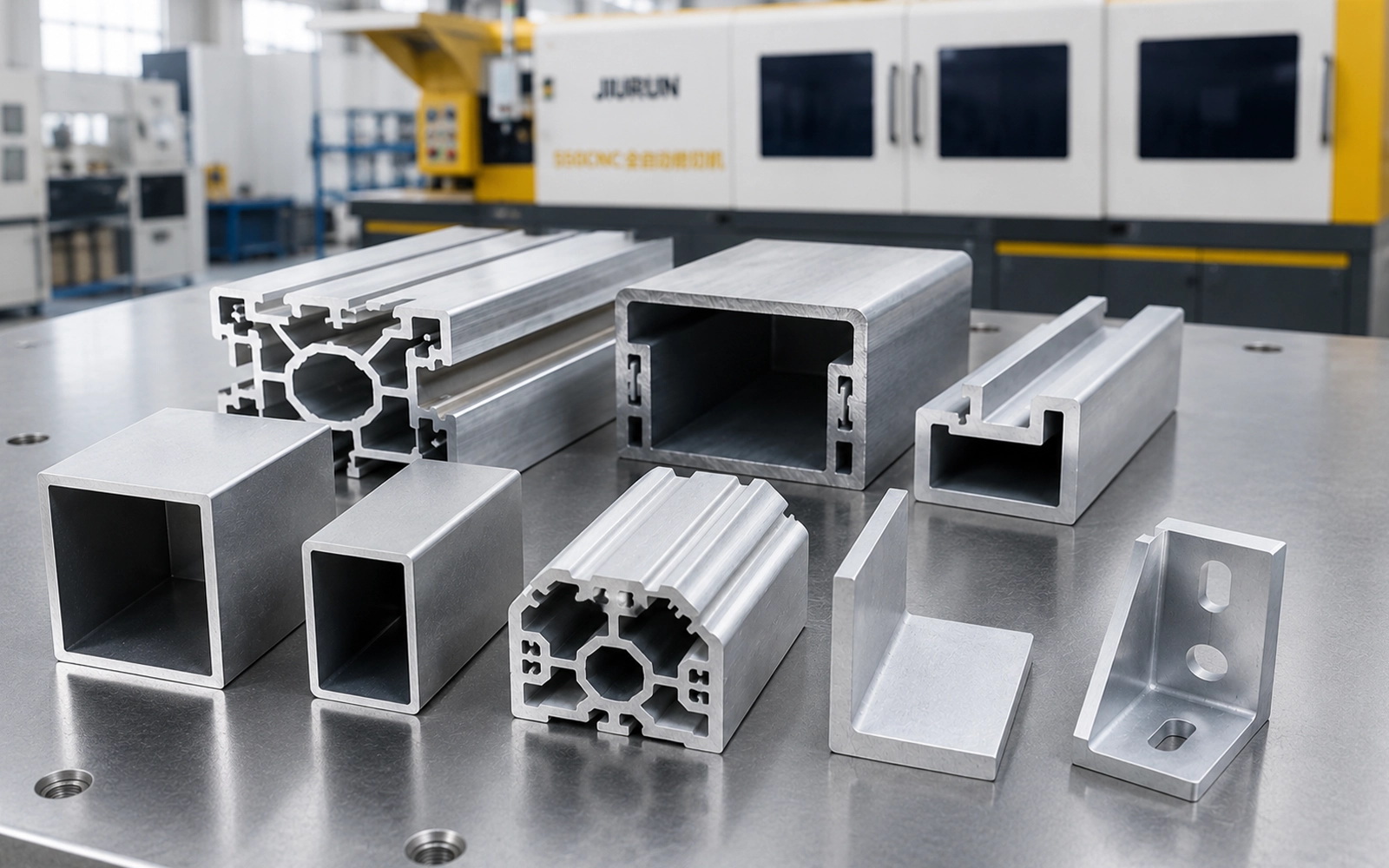
Put the complete section in the orientation being quoted
Provide a section drawing with its identity and revision, and indicate the viewing direction. Retain the actual outline, including any projecting features, instead of submitting only an unlabeled width-and-height entry. Use the face names already on the drawing.
Show the intended cut line in the corresponding part view. Ask the supplier to return the proposed section presentation with the table and relevant reference faces identified, then show the documented blade approach relative to them. Keep the cut line and the movement arrow separately labeled: one describes the required cut, the other the proposed machine movement.
If you have not selected an orientation, mark it “for supplier proposal” rather than presenting it as settled. If the supplier suggests a different orientation, request a separate marked view and confirmation that it still addresses the original finished-part requirements. This is a drawing discussion, not a direction to rotate stock, choose clamp positions or alter a machine.
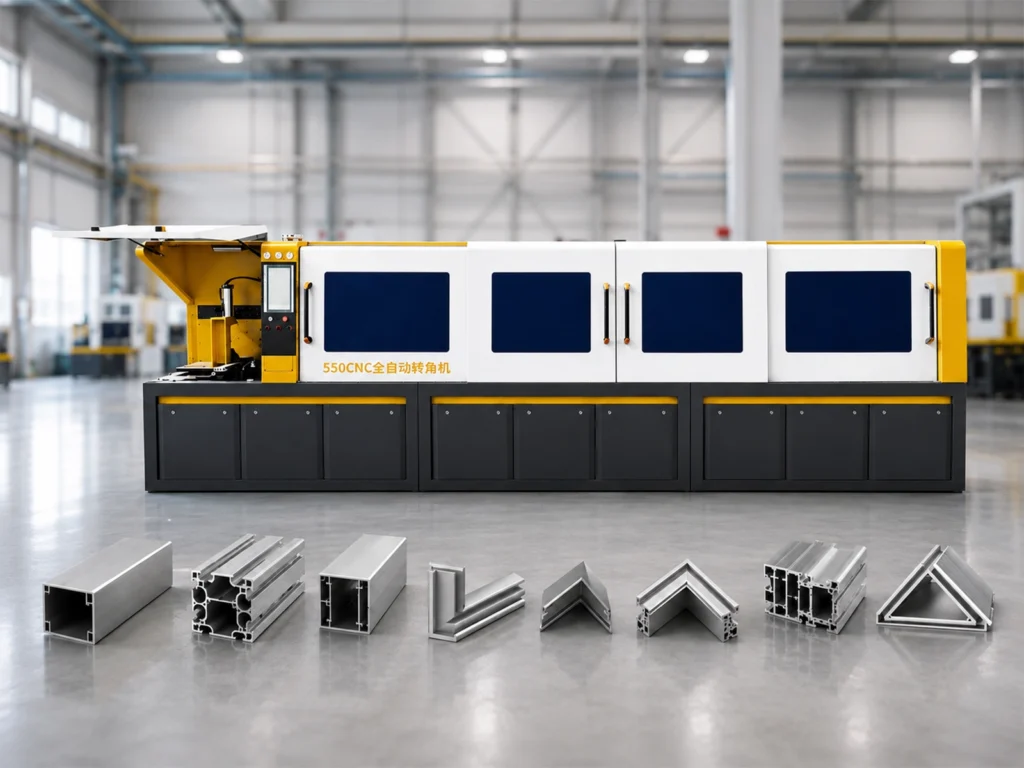
Match the view to the applicable cutting diagram
Ask the supplier to identify the diagram and quoted model/configuration used for its assessment. The section orientation and intended cut in the reply should match the view you submitted—or an explicitly revised proposal. Request clarification when the diagram or its applicability is unclear.
The useful question is: “Where does the assessment address this section in this presentation for this cut?” A general capacity statement does not supply that connection. Do not estimate fit from a photograph, sketch a missing envelope or use another model’s chart to complete the answer.
If the available chart does not address the proposed case, ask for an identified, documented assessment from the supplier. Keep the application pending until the missing connection is explained. This does not mean the machine is unsuitable; it means the evidence supplied has not answered the specific question.
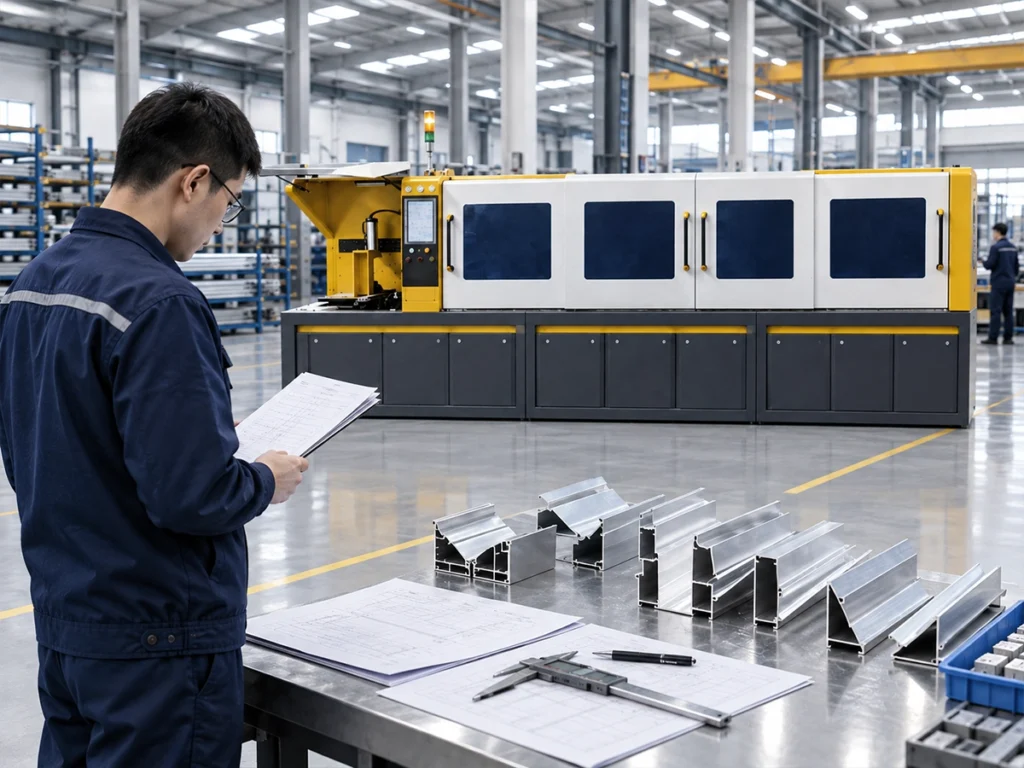
Make the supplier’s reply reviewable
Attach the marked views to the quotation discussion. The following phrases are illustrative examples, not actual supplier approvals. Use them to identify the next answer needed rather than building a second machine-selection checklist.
| Proposal wording | What it establishes | What the buyer still needs |
|---|---|---|
| “Upcut / cutting from below” | A stated blade-approach description. | The quoted model’s documented arrangement, related to the section orientation, table/reference faces and intended cut. |
| “Horizontal blade feed” | A stated direction of cutting travel. | The separate loading direction and proposed head position, with a matching application view. |
| “The profile fits” | A supplier conclusion whose scope needs to be identified. | The section revision, orientation, required cut, model/configuration and diagram or assessment supporting that conclusion. |
Hypothetical correspondence: the following is an invented buyer request, not a customer case, reviewed drawing or completed trial.
Our section view identifies the presentation proposed for this inquiry, and the member drawing marks the required cut. Please return a view showing the table/reference faces and the blade approach for the quoted configuration. Identify the cutting diagram or documented arrangement used to assess it. If you suggest a different presentation, show it separately, relate it to the same finished-part requirement and identify what remains unresolved.
A useful response links the returned view to the same section revision and offer, while separating supplier-confirmed points from questions still open. A photograph without those links leaves the arrangement unclear. If representative material is needed for further assessment, ask the supplier to identify the unresolved question it is intended to address.
Send the marked arrangement with your saw inquiry
Share the section view, intended cut, material information and blade-approach wording from the quotation. Identify unknown orientation or reference-face details and any planned changes. Incomplete information can start the discussion.
Clarify My Profile Orientation and Cutting Approach
Ask what information is needed to assess an available configuration. This guide does not establish that JiurunCut offers either of these cutting approaches or that changing orientation will make a profile fit. The attachment is a procurement aid, not an approved setup or a cutting guarantee.