
For coiled aluminum tube, define what material will actually reach the saw before requesting automatic cutting. State the delivery form, any specified preparation upstream, who supplies that work, and the condition handed to the saw. A coil supply offer does not establish that a saw accepts tubing directly from the coil.
Here, “coiled tube” means tubing supplied in a coil as stock, not a finished heat-exchanger coil assembly. The purchasing gap is between that delivered stock and the saw’s proposed input—not simply between the tube dimensions and the desired cut length.
Table of Contents
Coiled aluminum tube: keep the supplied form visible
Webco’s aluminum-products page lists coils, straight lengths and cut pieces among its supply forms. Judson Smith’s manufacturer page names aluminum among its materials and lists random straight lengths and coils separately.
These are manufacturer-specific supply descriptions, not confirmation of the material offered for your order or a JiurunCut function. Ask your material supplier which form is available for the actual specification. Do not assume that matching the tube diameter makes coil stock and a straight-stock offer interchangeable.
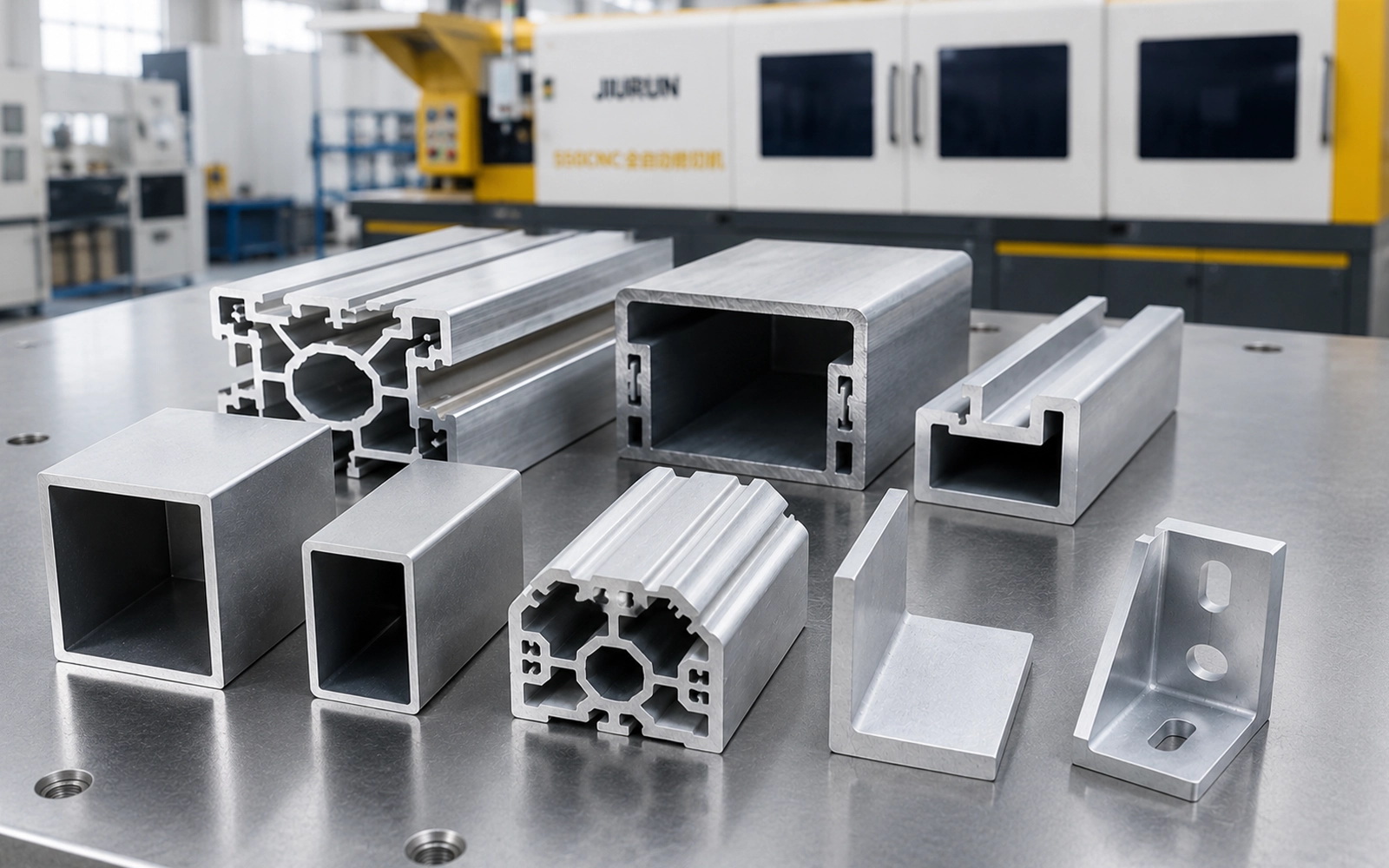
Keep “straight length” separate from a finished-part specification. Ask what incoming lengths, tolerances, material condition and preparation the offer includes. Then state the required cut-part dimensions separately. For the dimension labels themselves, use the aluminum tube dimensions guide.
Locate the preparation boundary before the saw
Ask whether the selected route requires uncoiling, straightening or preparation of individual lengths before the saw. If any operation is required, identify who defines its output and who provides it. Neither manufacturer page above specifies a universal preparation sequence or a straightener arrangement for your tube.
The inquiry may concern prepared stock purchased from the material supplier, an existing upstream process, or a separately defined proposal that includes upstream equipment. Ask suppliers to assess the actual arrangement rather than treating these possibilities as available solutions for every coil.
Have the upstream supplier describe what it will deliver at the transfer point and the saw supplier identify the input it is being asked to assess. Request coil-package information only where the proposed upstream scope needs it. This is a scope discussion, not instructions for unwinding material, setting rollers or feeding a moving line.
Attach a material-at-infeed statement to the quotation
Describe the material at the point where the saw receives it. Use the existing material offer, stock specification and part drawing to complete this note. It is a suggested purchasing aid, not a standard acceptance form. Unanswered fields remain “to be confirmed.”
| Point to define | Actual arrangement/reference | Supplier confirmation still needed |
|---|---|---|
| Warehouse supply form | Material identity, tube specification and the form stated in the supply offer. | What is actually delivered, and which offer describes it? |
| Upstream work and owner | Any route-dependent preparation, its provider and whether it is existing, included or separately supplied. | Which work is required before transfer, and who supplies its specified output? |
| Material at the saw | The input form, dimensions, length basis and specified material or surface condition at the receiving point. | Has the saw supplier addressed this input, rather than just the warehouse form? |
| Requirements and sample | The applicable stock and cut-part references; any identified sample and the preparation it has already received. | Does the sample represent the proposed input? Which requirements remain undefined? |
| Scope boundary and unresolved responsibility | Where each supplier’s scope starts and ends, related quotation items and exclusions. | Which interface remains unanswered, and who will clarify it? |
Hypothetical unresolved inquiry: a material order specifies tube in coils, while the saw offer describes prepared straight lengths. The buyer’s note reads “Incoming delivery: coils. Material at saw: to be confirmed. Upstream preparation: not yet allocated.” This is an invented comparison, not a customer installation or a JiurunCut quotation.
A focused reply would be:
Please confirm what material will be presented at the saw and which party supplies the work needed to reach that condition. Identify the applicable input requirements, where each offer starts and ends, and any required equipment or service not included. Keep the preparation route open until those points are answered.
The reply should close the gap, not silently assume a complete coil-to-saw line. At this stage, the note establishes neither a preparation method nor machine suitability.
Keep the sample tied to the proposed input
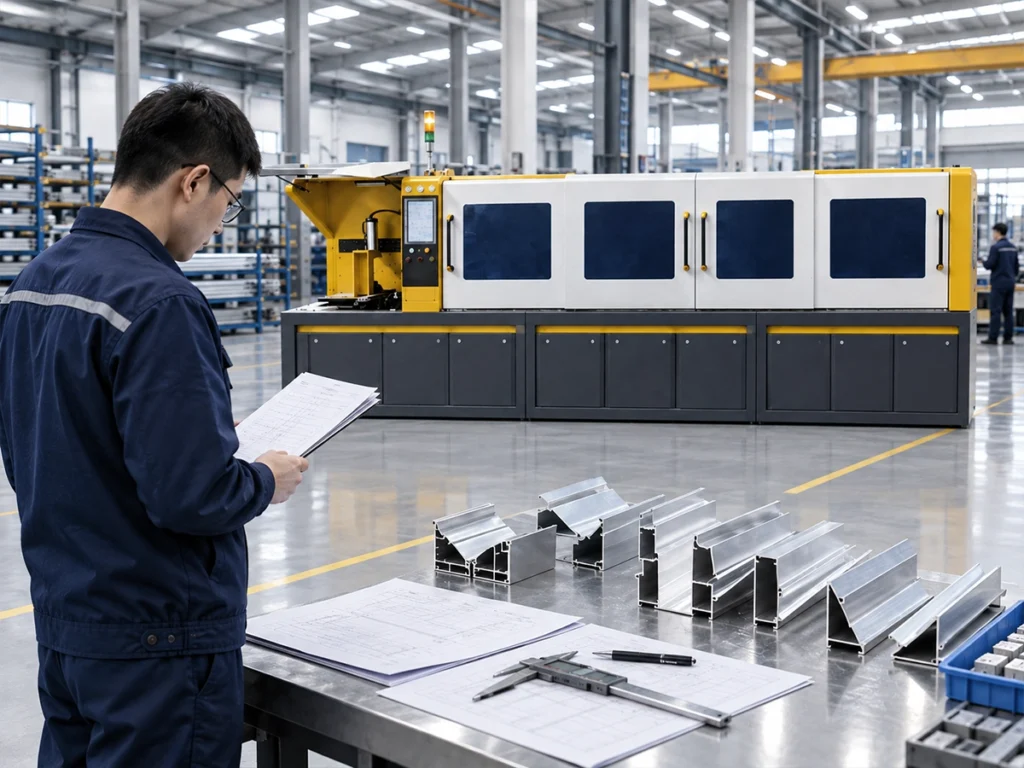
If material is to be prepared before the saw, ask for any inquiry sample to represent that stated condition. Identify the sample, the material it represents and any preparation already completed. A coil photograph can illustrate delivery form; it does not document the result of an unspecified preparation step.
The sample-cutting review guide addresses the separate trial discussion. Keep the scope of any result explicit: a trial starting with prepared stock does not, by itself, demonstrate the upstream route from a coil.
Compare quotations from the same defined starting point
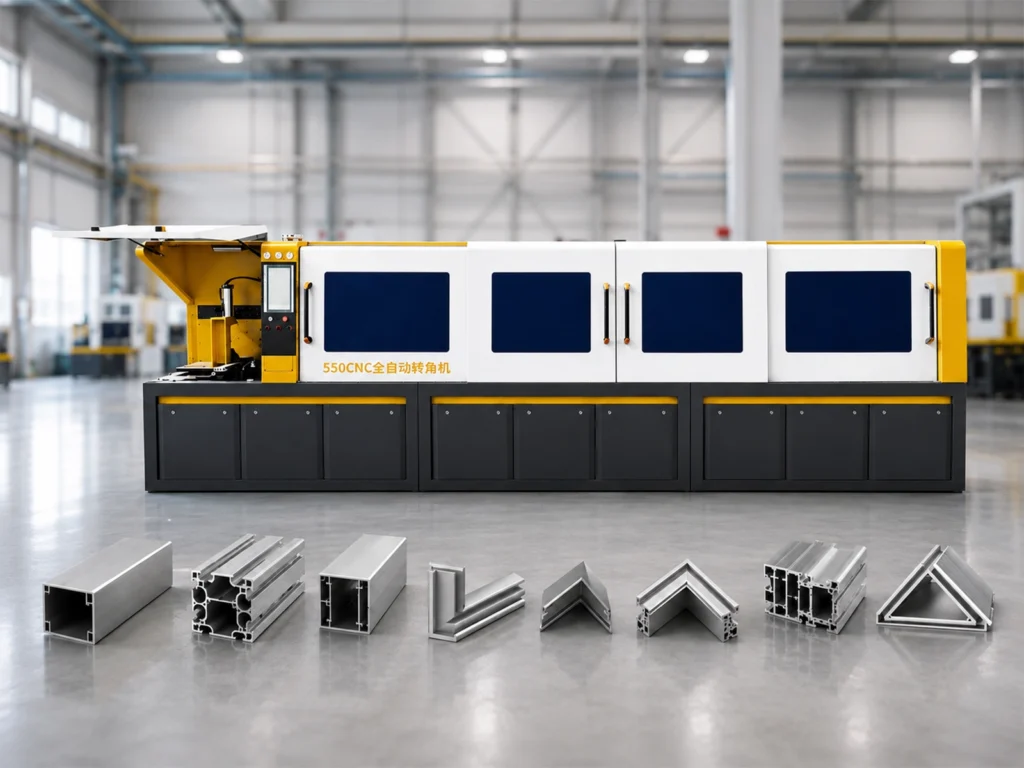
Ask each supplier to identify its included equipment, receiving requirements and exclusions against the same infeed statement. An offer starting with prepared straight stock and one proposing an upstream unit cover different work unless that boundary is made explicit.
Keep any preparation work excluded from a saw-only offer visible in the purchasing comparison. Where an integrated scope is proposed, ask who is responsible for the interface rather than assuming separately listed units form an accepted continuous line.
This comparison identifies supplied work; it does not establish a cost advantage, production rate or automatic-loading capability. If the preparation route or input condition changes, request a corresponding review of the affected proposal instead of carrying the earlier answer forward.
Share the actual stock handoff with JiurunCut
Send the material offer, supplied form and dimensions, intended infeed statement and cut-part requirements. Identify existing upstream work, missing information and planned changes. Incomplete information can start the clarification discussion.
Clarify My Tube Stock and Saw Infeed
Ask what input needs assessment for the cutting proposal. This inquiry does not establish that JiurunCut supplies uncoiling, straightening, direct coil feeding or an entire processing line.