
A multi-angle cutting trial can answer two buying questions: does the finished sample meet your drawing, and does the proposed setup cover your normal batch? A good-looking corner is useful evidence about that corner. Bring the rest of the job into the discussion before choosing a production machine.
Question 1: Does the sample meet the finished-part requirement?
Start with the part itself. Check its length from the stated reference, its end angles and the way it meets the mating member. If the finished product has a visible seam or coated face, include those requirements too.
Keep the sample linked to the drawing version and the material used. Ask what was measured and what was only viewed. A photograph may show an attractive joint while leaving a length result or surface requirement unanswered.
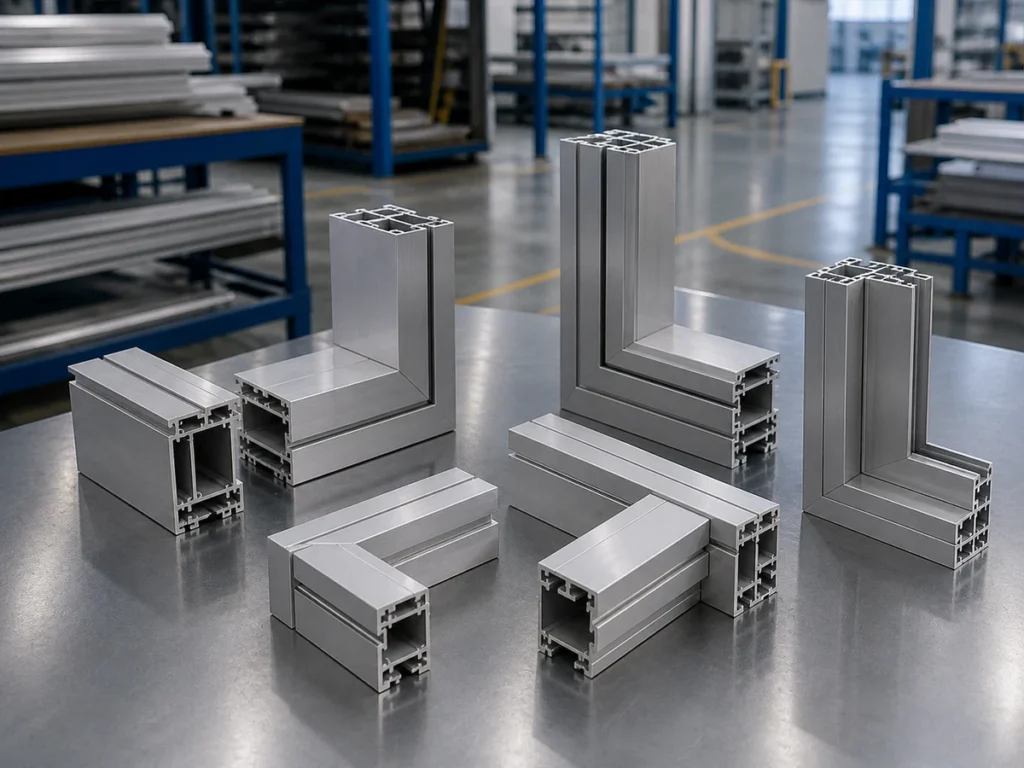
What do you need the finished sample to show?
Share your profile and assembled joint so the trial question is clear.
Question 2: Does the multi-angle cutting trial cover the normal batch?
Now look beyond the single piece. Describe the stock that arrives at your saw, the parts made from it and what happens to those parts afterward. A normal order may contain several lengths, different end directions or more than one profile.
Ask the supplier to explain how that job would move through the proposed setup. Where are the stock and finished pieces supported? Which changes happen between parts? What must the operator do when the next length, angle or profile is needed?
If a demonstration uses short prepared pieces but your factory starts with long bars, that starting-material difference deserves its own review. If only one end shape is shown, keep the other required ends visible in the trial plan. The aim is to understand the work still to be demonstrated.

Jiurun’s catalog identifies automatic feeding, positioning and cutting for JR-550CNC-CORNER. Discuss how the quoted configuration would carry out your particular job. Ask to distinguish machine-controlled work from the operator’s remaining work.
Show the batch behind your sample
Include the usual part mix and the material you intend to load.
A good corner can leave a production question open
Imagine that a trial produces a satisfactory corner from one profile. Your first order also contains its opposite-hand partner and shorter members. The sample has answered a useful fit question, but you still need to discuss how those other pieces will be made and kept identifiable.
Bring that part group to the supplier before treating the trial as complete. This does not mean rejecting the good sample. It means making its role in the purchase clear.
Carry the trial result into the first order
Finish the discussion with a short record: which finished-part requirements were checked, which batch steps were shown and which questions remain open. Keep that record with the machine configuration and equipment listed in the quotation.
Agree how the first production parts will be checked and who will review an unexpected result. If the profile, fixture or cut list changes after the multi-angle cutting trial, ask what needs to be reviewed again.
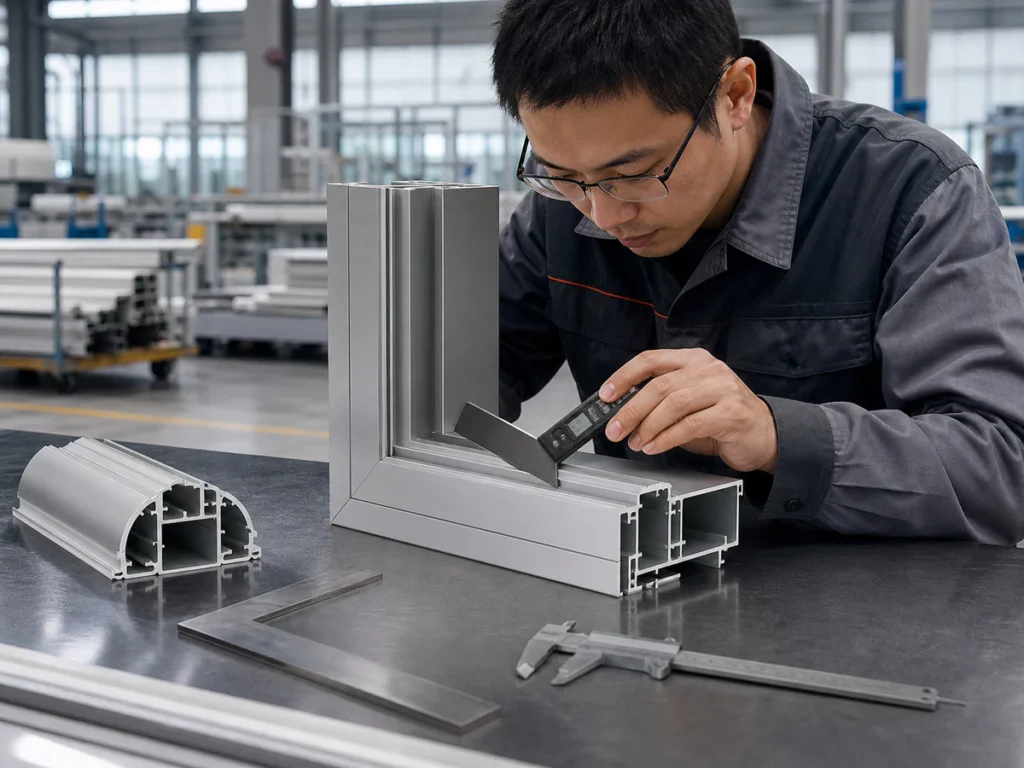
For a detailed trial record, see our sample-cutting guide. For the wider machine choice, use the automatic multi-angle buying guide.
Watch: Jiurun angle-saw demonstration
Use this machine reference to discuss the proposed route from incoming stock to your finished parts.
Discuss the sample and the first batch together
Tell Jiurun what you already know from the sample and what your normal order still needs to show. Ask whether a trial is suitable and what scope can be agreed for your project.