
Picture a workshop with repeat straight-cut rails and recurring mitered frame members. The straight-cut order needs to move ahead, but the angled order is also due. Before choosing equipment, the buyer needs to know whether both jobs would depend on the same available cutting slot.
Compare one multi-angle saw workstation with separate straight-cut and miter stations around that scheduling question. Ask JiurunCut to explain where each job would run, what a job change involves and how the other order would be affected.
Do your straight and angled orders overlap?
Tell us which jobs need saw time together. A drawing or clear profile photo can start the comparison.

One multi-angle saw workstation: a shared cutting schedule
In the one-station proposal, straight and angled jobs share one place in the cutting schedule. When one order occupies that production slot, the other needs a later slot. The useful comparison follows those orders through the schedule, including the transition between them.
This arrangement is worth discussing when the two job families can take turns without upsetting the next operation or a delivery priority. Explain whether straight work is steady, angled work arrives occasionally, or both return throughout the working week. Describe actual patterns rather than choosing equipment from the most convenient job alone.
Ask what happens if an urgent straight-cut order arrives during planned angled work. Which order waits? What preparation is needed before the next job can begin? Our saw changeover guide covers the separate question of measuring that transition.
Separate stations: assign the two job families separately
A separate-station proposal assigns straight-cut work to one station and miter work to another. Ask whether this would protect a recurring straight-cut order from changes in the angled-work schedule, and whether the angled station would have enough relevant work to justify its place.
The surrounding resources still matter. Both stations might rely on the same person, stock supply, inspection area or collection space. Ask how those shared needs affect the proposed schedule. The quotation should explain which jobs could proceed independently under your staffing and material-handling arrangements.
Also describe any cutting equipment you intend to keep. The useful choice might involve adding a station alongside an existing saw. Ask the supplier to include that arrangement in the comparison rather than assuming every station must be newly purchased.
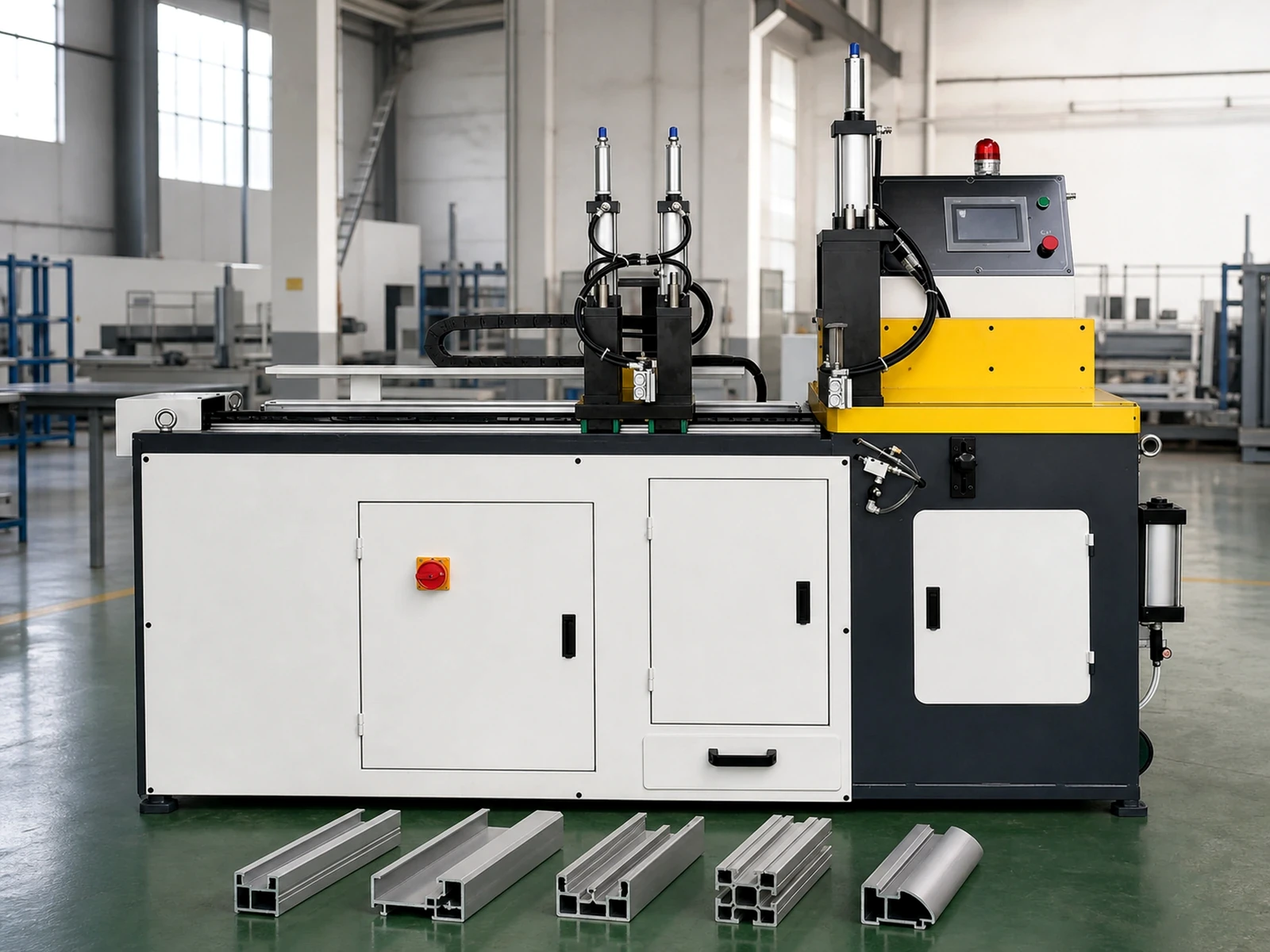
Ask for both station proposals
Share your straight and angled job families, their priorities and the equipment you already use.
Give both proposals the same mixed orders
Send representative straight-cut and angled part drawings, profile information, quantities and due dates. Say when the orders overlap and what the next operation needs from each. Include available space and any shared staff or handling resources.
Request two written proposals using those same jobs. Each should show where the work is assigned, what happens when priorities conflict and what equipment or surrounding work is included. Ask for a discussion of the waiting points as well as the finished parts. That makes the station choice easier to explain to your production team.
The JR-550CNC-CORNER product page is a starting point for the multi-angle side of the inquiry. For the broader profile, joint and machine-selection questions, use our automatic multi-angle buying guide.
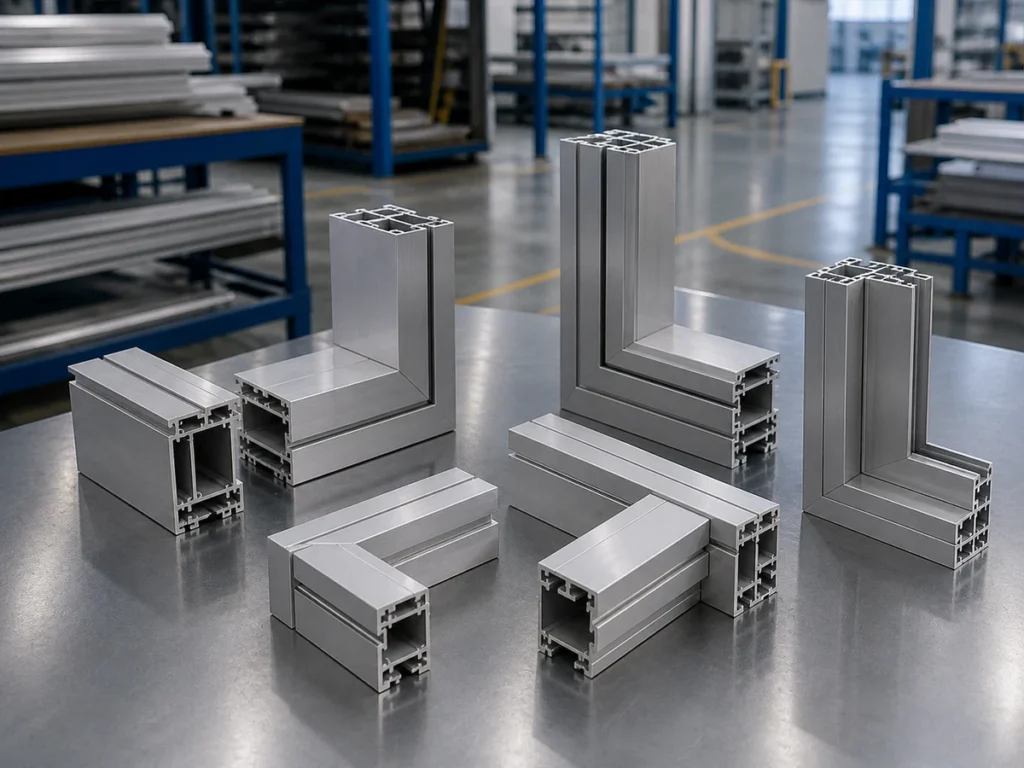
Watch: JR-550CNC Fully Automatic Angle Saw
Jiurun’s angle-saw reference. Use it to discuss the proposed station and your jobs.
Catalog context and proposal scope
Jiurun’s catalog lists automatic feeding, positioning and cutting for JR-550CNC-CORNER, and automatic feeding and clamping for JR-455CNC. Confirm the required straight and angled cuts, station arrangement and supplied equipment for the exact configurations quoted.
Discuss your station choice with JiurunCut
Tell us which orders compete for saw time. Ask us to compare a shared multi-angle station with separate straight-cut and miter stations for your production.