
Saw blade expansion slots are designed features whose purpose should be read in the manufacturer’s tool documentation. Keep them separate from sound-dampening slots in a purchase comparison. Neither a slot pattern nor a feature label proves how a complete machine will cut your aluminum part.
Begin with the exact proposed blade. Ask what each named feature does, which product includes it and what evidence supports the actual cutting application.
Three useful questions
- Is the description about heat expansion or sound damping?
- Which exact blade entry carries the stated feature?
- What separate evidence addresses the real cutting job?
On this page
Question 1: what are saw blade expansion slots intended to do?
CMT’s 2026 English saw-blade catalog presents heat-expansion slots and sound-dampening slots in separate rows. It describes the expansion feature as helping the blade resist deformation associated with increased temperature.
The catalog associates the sound-dampening feature with vibration and noise reduction. It distinguishes polymer-filled slots from other sound-dampening versions.
These are the manufacturer’s feature descriptions. This article adopts no percentage reduction, guaranteed tool life or demonstrated JiurunCut machine result from them.
| Manufacturer feature label | Keep separate in the review |
|---|---|
| Heat-expansion slots | The stated thermal-deformation purpose |
| Sound-dampening slots | The stated vibration/noise purpose |
| Polymer-filled version | The exact construction supplied |
| Application result | The actual documented cutting evidence |
The word “laser-cut” describes how a feature is presented in the cited documentation. By itself, it does not answer which function a particular feature serves. Retain the full label when copying information into a quotation sheet.
Also retain the manufacturer’s terminology. If an offer says only “special slots,” ask for the relevant technical description and product reference. Purchasing should not supply a missing function by guessing from the pattern.
Question 2: which exact product has the feature?
A family description and an individual order code have different scope. Ask the tool supplier to identify the selected row and document revision, including any exception or variant that affects the offer.
CMT’s 297–296 non-ferrous-metal and laminated-panel page describes sound-dampening slots but also identifies particular non-low-noise entries. This illustrates why a broad family heading should not replace the selected product record.
Ask the supplier to state whether the offered tool includes the named construction. Keep that answer beside the complete product code. If a distributor uses a different short description, retain the manufacturer’s identity as well.
Do not infer an operating recommendation from the presence of the feature. The blade must still be reviewed for the intended material, section, machine and permitted conditions.
Our complete blade-size guide organizes that separate compatibility review. A slot feature does not resolve the cutting diameter, mounting interface or other required fields.
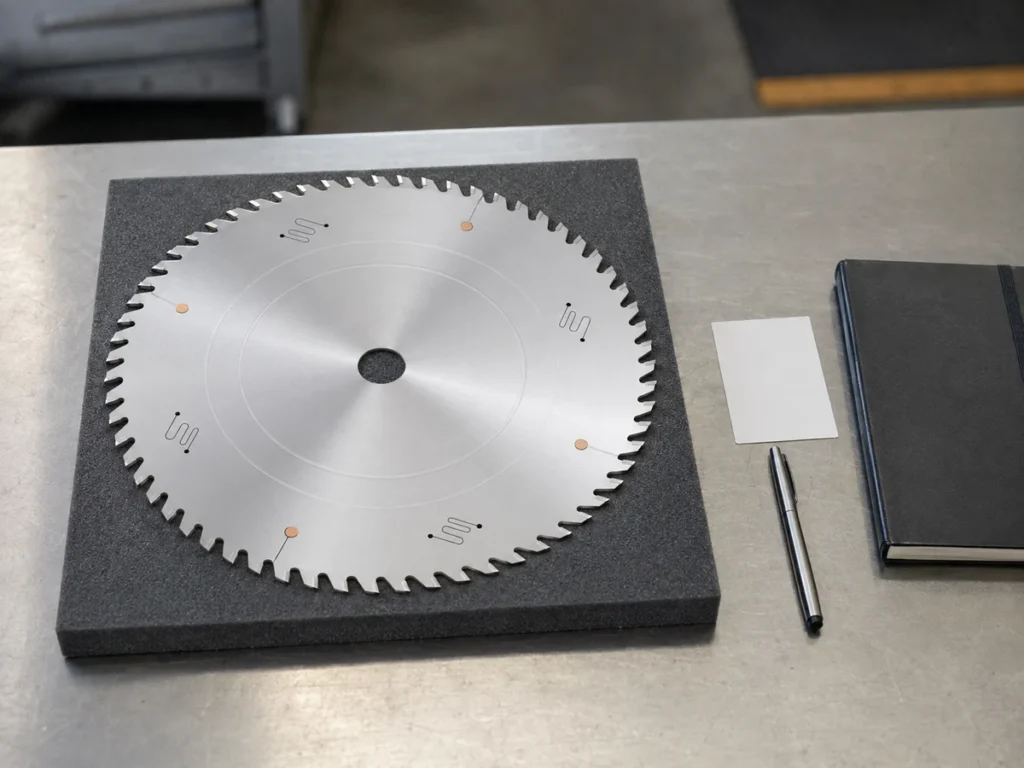
What can an overview photograph tell you?
A photograph can help identify the object being discussed. It can support a request for the manufacturer’s documentation when the actual product reference is available.
It cannot establish the purpose of every visible line or opening. Preserve the original picture and the supplier’s explanation rather than adding your own feature name to an unclear detail.
Use an illustration as an illustration. A general blade image in a guide should not be presented as the exact delivered tool, a condition inspection or a noise test.
If authorized personnel supply a clear marking photograph through the prescribed access procedure, keep it with the machine and tool identity. Resolve unreadable characters against the supplier’s records.
A fictional offer uses one label for two questions
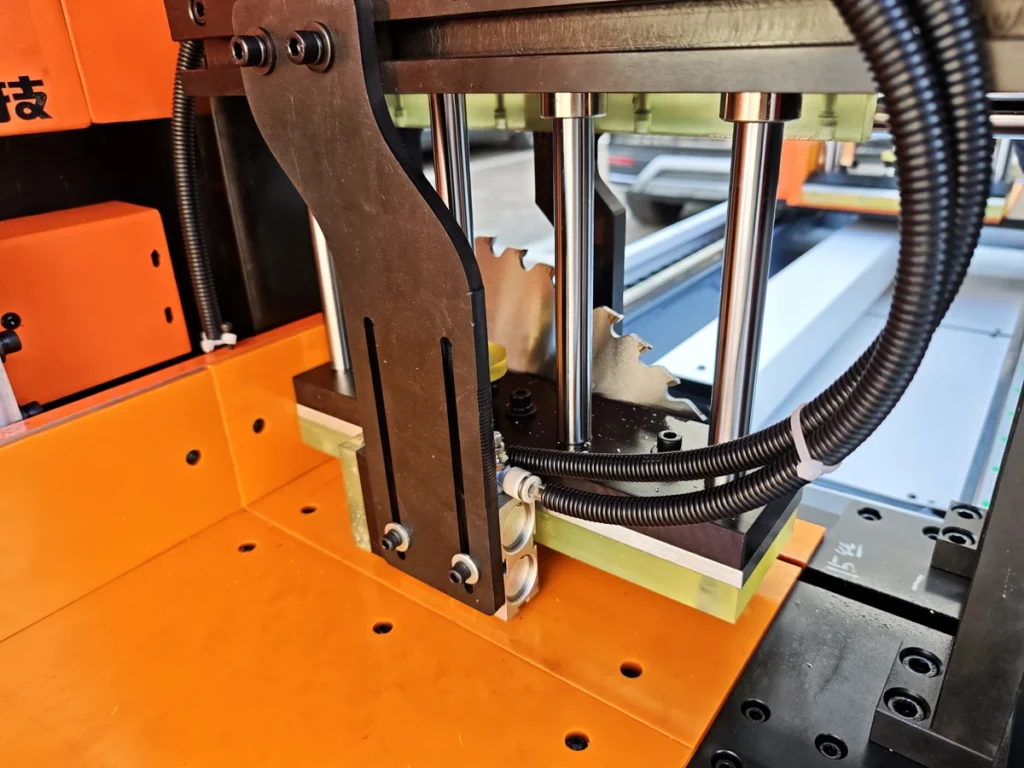
Imagine quotation S27. Offer A names a blade code and says “heat-expansion slots.” Offer B says “low-noise blade” and supplies only an overview photograph. Both list the same outside diameter.
First request the complete tool identity and current documentation for B. Then ask both suppliers to name the features included in the selected product and explain the actual application recommendation.
The equal diameter does not close either feature question. Likewise, A’s expansion-slot description does not answer what B means by its noise claim.
Keep the comparison unresolved where information is missing. Record each supplier’s response under the correct heading, without turning the most detailed wording into an automatic approval.
This is an invented purchasing example. It includes no actual supplier, noise measurement or cutting result. Its purpose is to show which clarification belongs beside each offer.
Question 3: what evidence covers your actual job?
Agree what outcome matters for the real part. A profile drawing may contain length, end geometry and surface requirements. Keep those requirements distinct from the blade-feature description.
Identify the tool, machine configuration, stock and approved conditions used in any agreed evaluation. Retain actual observations and finished-part records with that configuration.
If a supplier makes a quantitative sound claim, request its test basis and scope. Have the responsible workplace-noise reviewer determine what information is needed for the installation. A catalog feature description does not supply a site assessment.
For a cutting-quality comparison, retain the specified feature and applicable measurement. An improved-looking photograph does not complete a dimensional or surface requirement.
The blade runout report guide explains another distinct measurement question. A slot pattern is not a runout result and does not diagnose the cause of a reported cutting issue.
Keep a service question connected to the tool
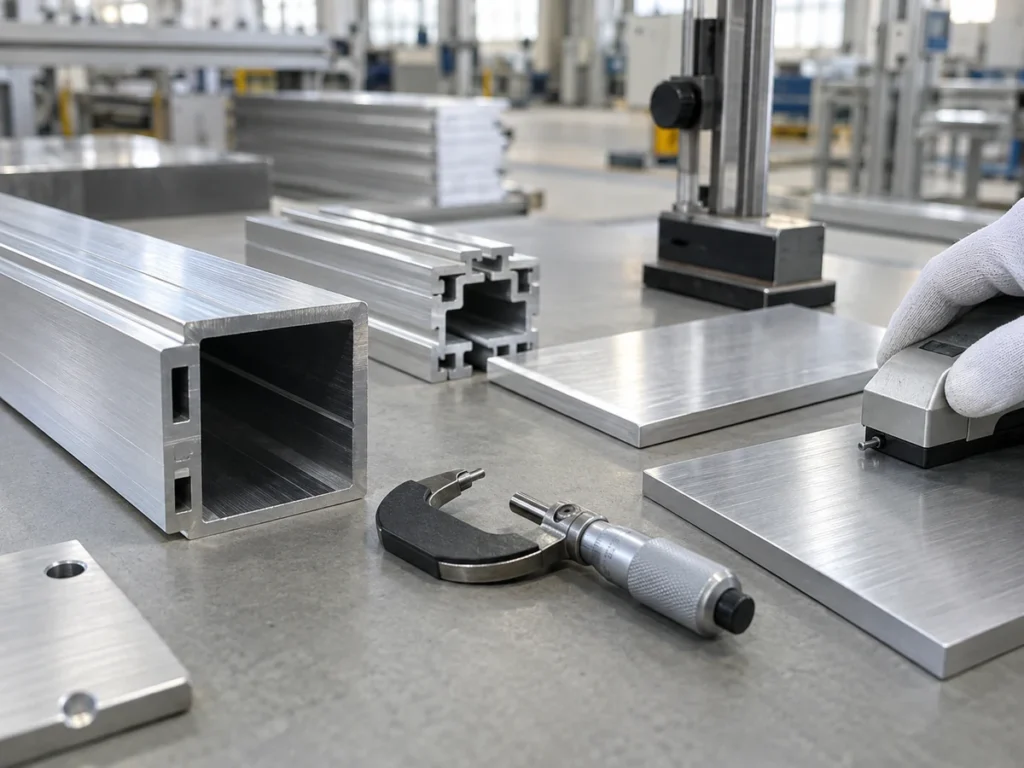
For a reported change in sound or cut appearance, retain the blade identity, use history and actual observations. Ask the responsible tool or machine supplier for the applicable inspection and service route.
Do not turn a feature explanation into an instruction to alter the blade. This article gives no slot dimensions, modification pattern, repair method or permission to continue using a questionable tool.
Keep any service assessment separate from the original product description. Record the tool covered by the decision and the documents supplied with it. A different replacement code needs its own review.
The blade kerf guide addresses cutting width and body thickness. These dimensions also remain separate from the slot-feature fields when a replacement is compared.
Buyer questions about saw blade expansion slots
Are expansion and sound-dampening descriptions interchangeable?
The cited catalog presents them separately. Keep the complete manufacturer’s label and the exact product reference.
Does a feature claim prove lower noise on my machine?
Request the claim’s basis and relevant installation evidence. A general product description is insufficient for that conclusion.
Can a same-diameter blade be accepted from its photograph?
Obtain the complete tooling specification and configuration-specific application review.
Include the tooling question with your cutting inquiry
Send JiurunCut your aluminum profile drawing and representative cut list. Include the current tool documentation where available and identify any proposed blade-feature or replacement question clearly.