
An aluminum honeycomb panel is a sandwich assembly with facing skins bonded to a cellular core. Its overall thickness describes the assembly, not the thickness of one solid aluminum plate. A useful purchase inquiry identifies the faces, core and bond system, then states what condition the supplier must deliver.
Start with three questions: what construction is specified, what is being cut, and which edge details belong to the finished item? These checks help buyers compare the same scope before discussing a machine or a panel-processing quotation.
Put these distinctions on the first page
- Face thickness and total panel thickness are separate dimensions.
- Cutting components before bonding and trimming a bonded panel are separate jobs.
- A cut perimeter and an approved closed edge are separate deliverables.
1. Identify the aluminum honeycomb panel construction
Hexcel’s Honeycomb Sandwich Design Technology guide, published in December 2000, explains the distinct roles of skins, core and adhesive. The skins carry bending stresses, the core supports and separates them and resists shear, and the adhesive joins the components.
Use that distinction to organize the quotation, rather than replace the panel designer’s specification. Record each facing material and thickness separately. Identify the core product and the approved bonding specification. Do not assume both faces are identical simply because the visible surfaces look alike.
Ask the supplier to state which drawing revision and material references the offer follows. If an item is proposed as an alternative, request the actual difference and the responsible designer’s decision. A quotation description such as “lightweight aluminum board” leaves too much unspecified.
Hexcel also notes that honeycomb cores and some facing materials have directional mechanical properties. Where the approved design specifies an orientation, retain its reference on the drawing and supplier documents.
Show the direction mark relative to named edges, holes or a drawing view. “Along the length” can become ambiguous if a blank is rotated or a different side is called the length. Ask the designer to resolve the reference before the purchase order is finalized.
A thickness example without a material recommendation
Imagine two quotations both list an overall panel thickness of 20 mm. One describes a bonded assembly and the other describes a solid plate. The shared number does not establish the same construction or delivered function.
Even two bonded-panel offers need their separate face and core descriptions. This invented 20 mm example is only a document-comparison exercise. It gives no approved skin thickness, core size, load rating or recommended panel for your application.
2. State what is being cut and when
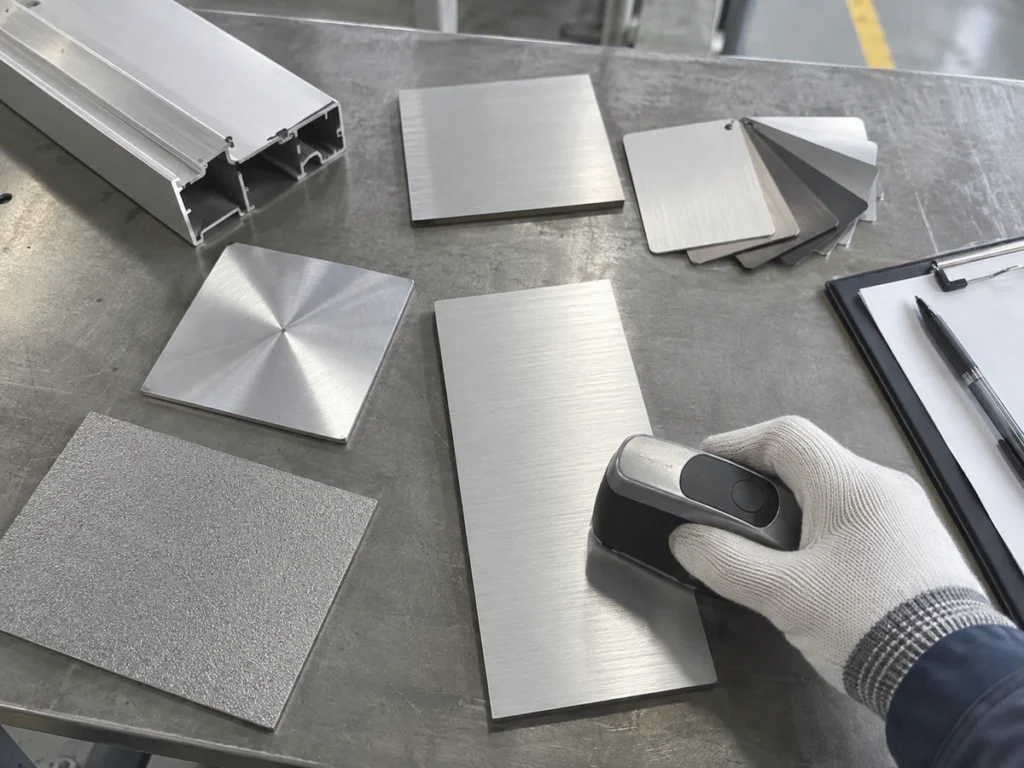
An aluminum honeycomb panel inquiry should name the supplied input and the required output. Are you buying separate facing blanks, a bonded rectangular panel, or a finished panel with perimeter details? Describe the item at the exact point where the supplier takes responsibility.
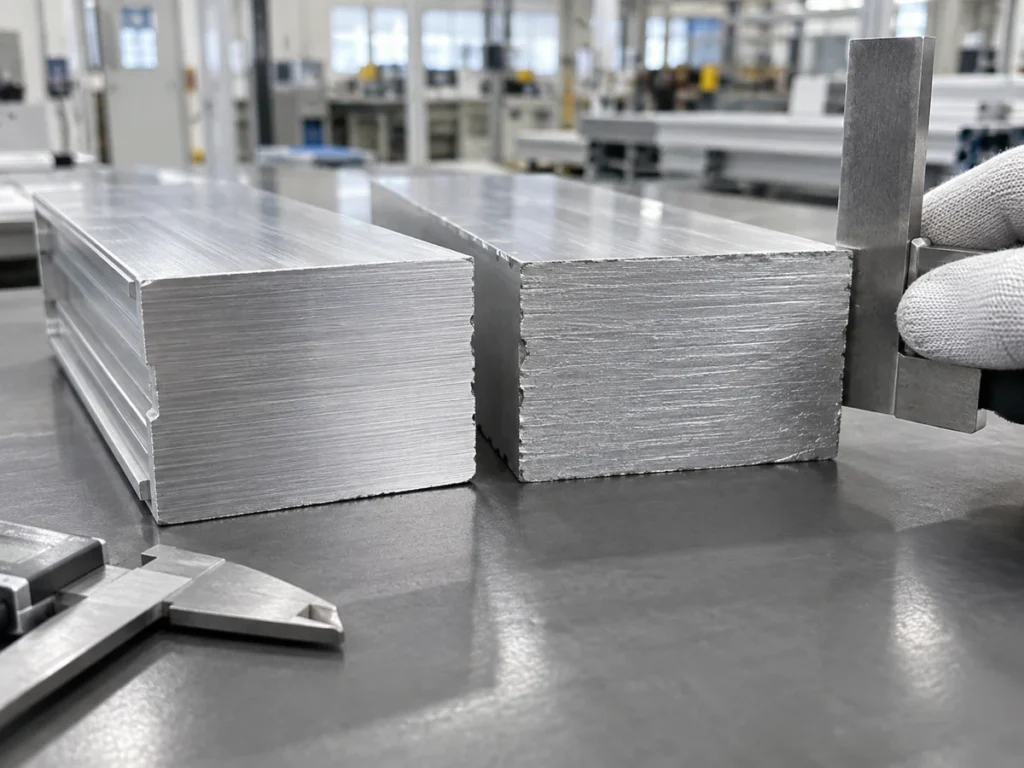
For a cutting-equipment inquiry, identify whether the proposed operation handles separate aluminum components or the complete bonded assembly. Request a specific review of that actual input. A demonstration on an extrusion or solid block does not establish suitability for a sandwich panel.
Send the section drawing as well as the overall outline. The section makes the construction visible; the outline shows the required perimeter and feature locations. Keep the controlled dimensions attached to the drawing instead of spreading them across an email chain.
Separate the work packages
| Quoted item | Handover question |
|---|---|
| Facing blanks | Who bonds them into the specified assembly? |
| Bonded panel cut to outline | Which edge operations remain? |
| Completed panel | Are edge closures and attachment details included? |
A supplier can legitimately quote only one of those packages. The comparison becomes useful when each offer states the same start and end conditions, or clearly prices its exclusions. Ask who owns the work between packages.
For example, a buyer might send the same outline to two suppliers. Supplier A offers facing blanks; supplier B offers a bonded panel trimmed to that outline. Their prices describe different stages, even before freight, inspection or finishing is considered.
Mark “included,” “excluded” or “awaiting review” beside each operation. If the supplier cannot confirm a process yet, keep that status visible. Do not convert a pending feasibility question into an accepted machine capability.
3. Define the finished edge and attachment scope
Hexcel’s guide discusses edge closure for protection against local impact or environmental damage, and for reinforcement, attachments or appearance. It illustrates options including filler and bonded sections. Those examples do not approve a particular detail for your panel.
Ask for the required edge detail on the drawing. Name the edges where it applies, and distinguish an exposed cut perimeter from a closed or reinforced edge. If an attachment is needed, identify its position and the approved interface detail.
Write the finished dimensions relative to that detail. Does the stated outline describe the trimmed panel before a perimeter section is fitted, or the final assembly after it is fitted? The drawing owner should settle that question.
Also identify the visible face and which surfaces require protection through delivery. If several panels share an outline but differ in face finish or attachment position, give them distinct part references. A shared width and length should not hide a different finished item.
Keep the aluminum honeycomb panel acceptance record tied to the approved drawing. List the required documents, dimensional review and agreed visual checks. Ask the responsible designer to define any structural or bond-performance evidence; a perimeter photograph cannot establish it.
Close the quotation with one clear deliverable
Summarize the aluminum honeycomb panel order as construction reference, input condition, supplied operations, finished edge detail and required handover records. State who provides the approved design and who reviews any proposed change.
Before award, return that summary to the supplier for confirmation. Put unresolved entries in the quotation comparison instead of relying on a broad “complete panel” label. Keep the confirmed scope with the order revision so later substitutions can be reviewed against it.
Aluminum honeycomb panel buyer questions
Can overall thickness replace the face and core description?
No. It is one assembly dimension. Request the specified construction separately.
Does a solid-aluminum cutting demonstration qualify a bonded panel?
No. Ask for a feasibility review that identifies the actual panel and proposed operation.
Does closing the edge establish an approved attachment capacity?
No. Ask the responsible designer for the required attachment detail and evidence.
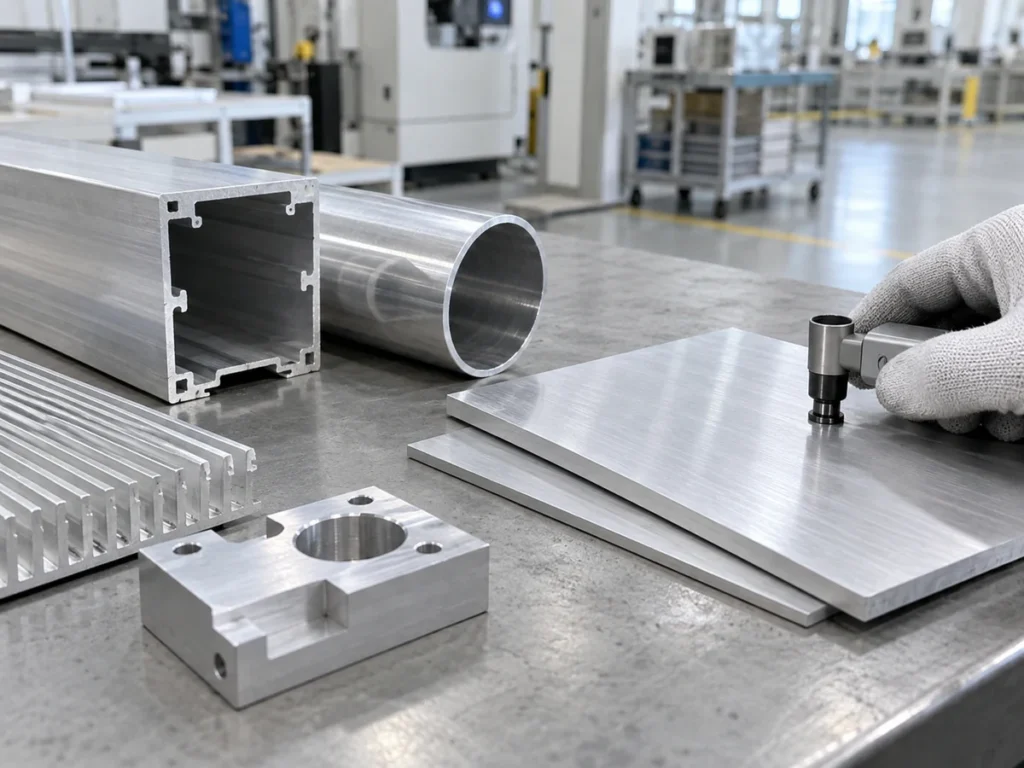
Describe the aluminum components in your project
Send JiurunCut the aluminum component drawings and cutting scope. Identify any bonded-panel requirement separately, with the actual construction and input condition. Request a specific feasibility decision for the offered equipment and operation.