
Laser welding aluminum is a process choice that needs to be matched to the actual joint. Before comparing suppliers, describe the seam, the delivered condition and the evidence needed to accept it. A photograph of a neat weld is useful context, but it does not answer those questions by itself.
Four supplier checks make the discussion easier: the proposed process, the incoming joint condition, the trial scope and the complete production quotation. Each check should lead to a concrete document or an identified sample.
1. Ask which laser welding aluminum process is proposed
TRUMPF’s TruLaser Weld brochure distinguishes heat conduction welding from deep penetration welding. In the former, the laser melts material along the joint. In the latter, material partly vaporizes, allowing deeper beam penetration. The brochure also describes an optional supplementary-wire process on its named system.
These options explain why “laser welded” is an incomplete quotation description. Ask the provider to identify the proposed route and whether filler is included. Do not assume every laser system has the same options or every aluminum joint uses the same mode.
Begin with the required joint function. State whether the design requires a particular connection geometry, an identified strength requirement, leak performance, visible appearance or another defined outcome. Give the welding provider the responsible designer’s requirements so its proposal addresses the same job.
A purchaser can request an explanation without selecting welding parameters. Ask why the proposed route suits the identified material and joint, what preparation it requires and which approval or qualification applies.
2. Define the incoming joint condition
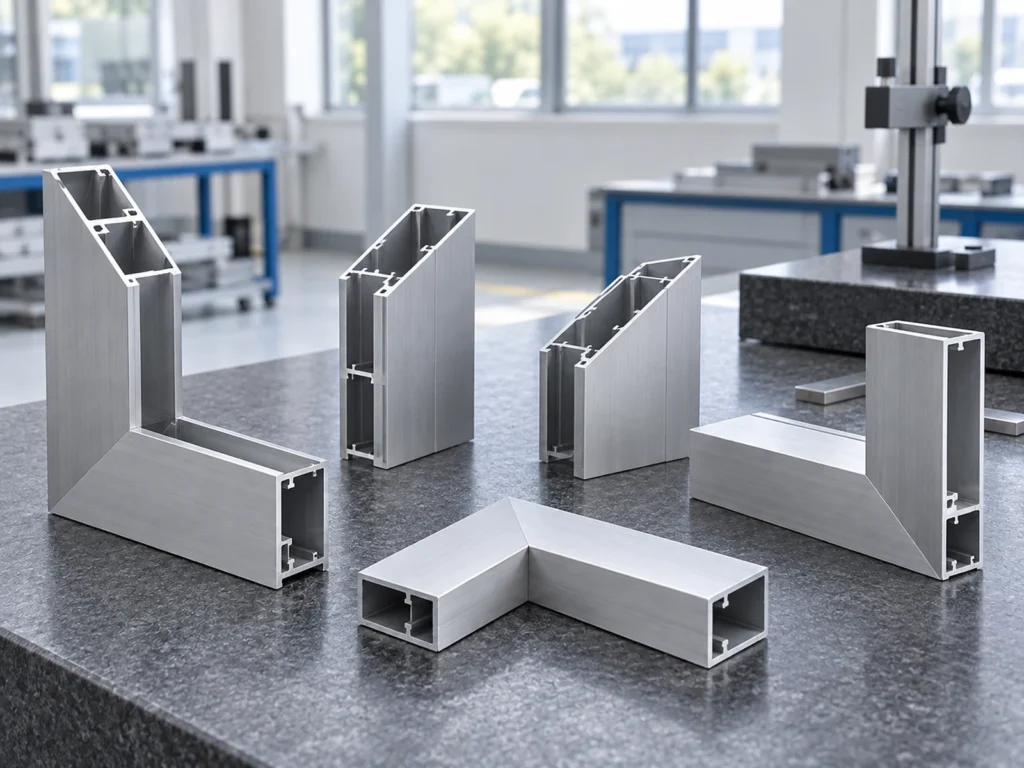
Provide both a component drawing and a joint detail. Identify the parent materials, their supplied condition, wall or plate dimensions, mating faces and drawing revision. Name the parts on each side of the seam so the provider can connect its process proposal to the actual assembly.
Ask the welding provider to state its accepted incoming fit-up conditions. Put those requirements into the blank or preparation order after approval. A nominal length alone does not describe the way the two mating faces meet.
Keep three conditions separate: the sawn blank, the prepared joint and the assembled part held for welding. A tolerance or measurement result needs to say which condition it describes.
For example, a buyer may receive a length report for loose members while the welding provider requests a review of the clamped corner. Both records can be useful, but they answer different questions. The handoff should identify what remains to be checked after assembly.
Use our cutting before welding guide to assign preparation and delivery responsibilities. For the present purchase, ask the laser-welding provider to confirm the required incoming condition in writing.
Make access visible
Mark the seam locations on the assembly model or drawing. Include nearby walls, brackets and covers in the review package rather than showing an isolated line on a flat sketch.
Ask the provider to review access in the proposed production arrangement. If it proposes welding before a cover is attached, record that sequence. Otherwise the assembly team may build a configuration different from the one used for the trial.
3. Agree what the trial must demonstrate
TWI’s laser-weld defect guidance identifies solidification cracking and porosity as relevant imperfections. Its aluminum discussion includes alloy-related cracking susceptibility and hydrogen-related porosity. It also describes surface contamination, preparation, shielding and keyhole instability as considerations for porosity.
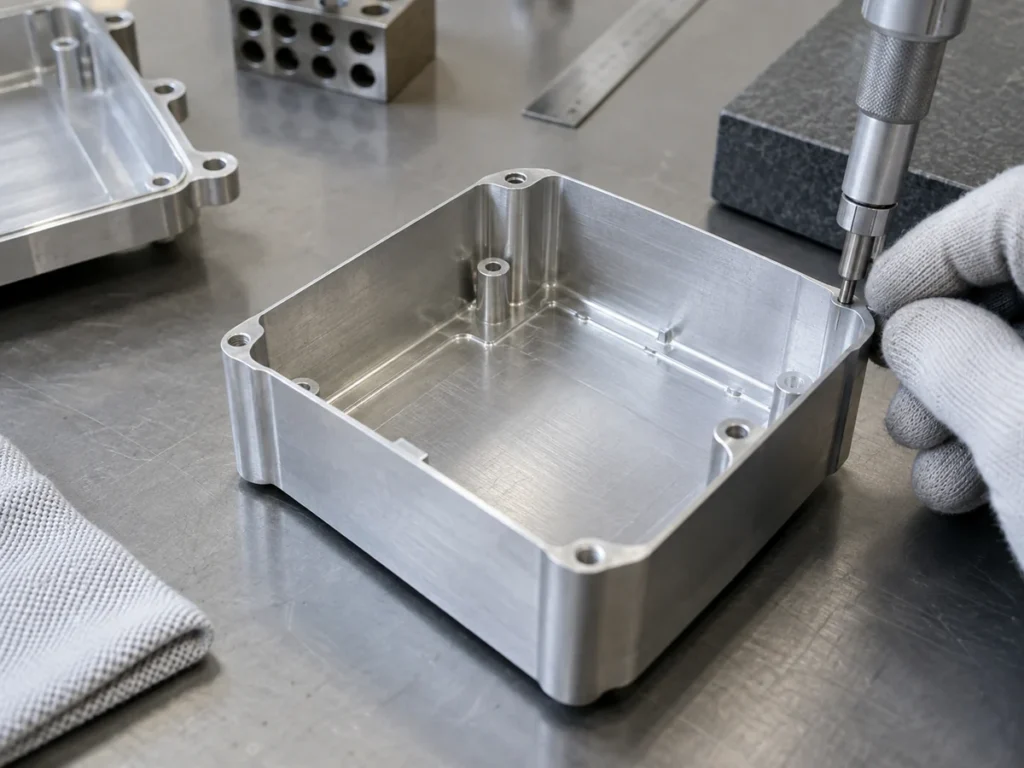
For purchasing, request a trial and evaluation plan that addresses the actual joint requirements. Keep the technical process review with the welding team. The buyer needs to know what was evaluated, which conditions the sample represents and what decision the evidence supports.
| Trial question | Record to request |
|---|---|
| What was welded? | Part identity, joint location, drawing revision and material condition. |
| What route was used? | Identified process and the applicable preparation and procedure references. |
| What was evaluated? | Examination method, coverage, production stage and stated limitations. |
| What was accepted? | Applicable requirement and the designated reviewer’s decision. |
Keep appearance, dimensional results and other performance requirements as separate lines in the review. A sample can satisfy a visible-surface requirement while leaving another acceptance question open.
For an enclosure, ask whether the trial includes the required leak evaluation of the relevant assembly. For a frame, ask which final dimensions are measured and in what condition. The agreed plan should reflect the product rather than treating all welded parts as identical.
The weld porosity inspection brief explains report coverage in more detail. Use it when reviewing that evidence, without turning a visible seam photo into a statement about internal examination.
4. Compare the complete delivered scope
Ask each supplier to quote the same drawing revision, batch quantities and delivery condition. Separate trial work, production preparation, fixturing, welding, agreed finishing and inspection when they are distinct scope items.
A quoted weld time is one item in the route. Ask what the production offer includes for loading, preparation, assembly, checks and any agreed downstream work. Record exclusions next to the price so the receiving team understands what remains.
Also clarify the scope of a finish after welding. If the customer needs a defined cosmetic condition, supply that requirement during the trial review. An offer for a welded assembly should identify whether the later finish and its acceptance are included.
A clear cutting inquiry for the downstream route
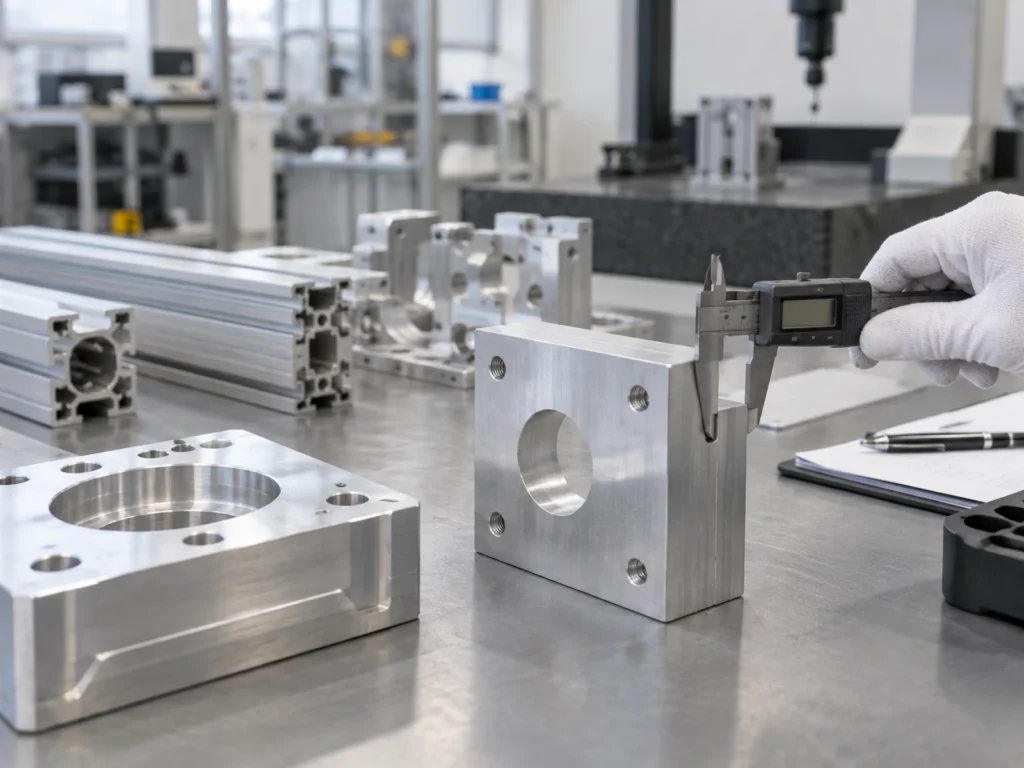
Send the stock description, component drawings, cut lengths and quantities together with the approved incoming requirements from your welding provider. State which edge preparation and handling operations belong in the cutting scope.
Contact JiurunCut with your aluminum cutting requirements to discuss the defined blank and cutting arrangement. Keep the laser-welding process, trial and completed-joint approval with the responsible fabrication team.
Quick buyer answers
Is filler always excluded from laser welding?
No. Ask whether the identified process uses supplementary material and whether the quoted system provides that option.
Does a narrow seam prove the joint is accepted?
No. Match the evidence to the agreed joint requirements, examination scope and approval decision.
Can I compare only the quoted welding time?
Compare the complete production and delivery scope. Preparation, handling, fixtures, finishing and inspection may be separate parts of the offer.