
Blind rivet vs rivet nut is a choice between directly joining components and providing a threaded attachment point. Both can suit a design with installation access from one side, but they do different jobs. Decide what must remain attached and what must be removable before comparing hardware.
For an aluminum enclosure, that question may distinguish a fixed panel from a service cover. For a hollow profile, it may distinguish a permanent connection from a mounting point for a separately screwed-on component. These examples describe joint purposes; the responsible designer still needs to approve the actual fastener and assembly.
The key difference is what stays in the part
A conventional mandrel-type blind rivet joins the intended components through its setting operation. A blind rivet nut is installed as a threaded insert. A mating screw then attaches the separate component to that insert.
In a rivet-nut arrangement, the removable item is the screw-connected component. The installed nut is intended to stay in its receiving part. Calling the joint “removable” should not imply that the insert can be taken out and reused during routine servicing.
| Fastener arrangement | What the design should identify |
|---|---|
| Conventional blind rivet | The components joined by the set rivet and any approved process for later separation. |
| Blind rivet nut with mating screw | The part retaining the insert, the screw-connected component and the intended service access. |
The comparison here concerns a conventional mandrel-type blind rivet. Specialized fastener families have their own functions and specifications. Obtain the complete product identity rather than treating every item called a rivet as the same arrangement.
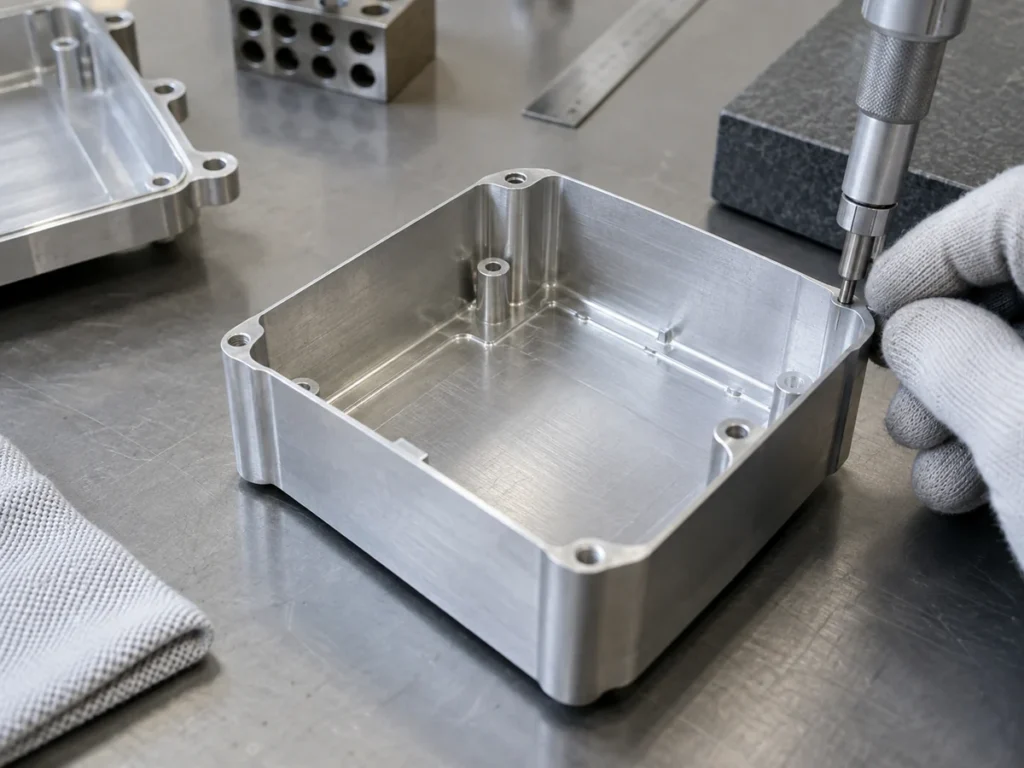
Blind rivet vs rivet nut: understand the mechanisms
GESIPA’s blind-rivet overview describes a rivet body and mandrel. During setting, the mandrel deforms the rivet body and separates at its designated break point. The same overview describes different material combinations and head forms. The mechanism explains the joining role; it does not approve a fastener for an unspecified aluminum joint.
GESIPA’s blind-rivet-nut explanation describes a hollow threaded fastener installed with access from one side. Its body deforms to retain it in the receiving component. The resulting thread supports a separately fastened connection.
AVK’s product overview likewise describes blind-installed threaded fasteners as remaining captive while a mating component attaches using hardware. This is the useful distinction when the joint must be opened later.
One-sided access describes installation access. It does not mean that the space behind the receiving wall is irrelevant. Show opposite walls, internal webs and other nearby features when the fastener provider reviews the proposed arrangement.
Choice check 1: define the service requirement
Write down which component needs to be removed, when and for what purpose. An access panel opened for routine service has a different requirement from a panel separated only under an approved repair process.
Consider two fictional enclosure requests. Request A says the outside skin stays attached throughout normal use. Request B says the cover must be opened for inspection and then fitted again. Neither request establishes a fastener size, but they give the designer different attachment purposes to review.
For Request B, identify both the retained insert and the removable cover. Provide the intended access to the screw and the required cover interface. Do not assume that installing a threaded insert automatically makes every surrounding part easy to remove.
GESIPA notes that a set rivet nut is designed to remain in the workpiece and that removal needs specialist care because the workpiece may be damaged. A removed insert is not reusable. Keep routine cover removal separate from replacement of a damaged or unsuitable insert.
Do not use repair as the assembly plan
If separation of a riveted connection is expected, ask the responsible team to define the approved process and subsequent acceptance. This guide does not provide drilling-out instructions or promise that the original hole and surrounding aluminum will remain unchanged.
For a replacement insert, have the receiving feature and proposed disposition reviewed. Matching the original thread alone does not establish that a previously used location is suitable for a new installation.
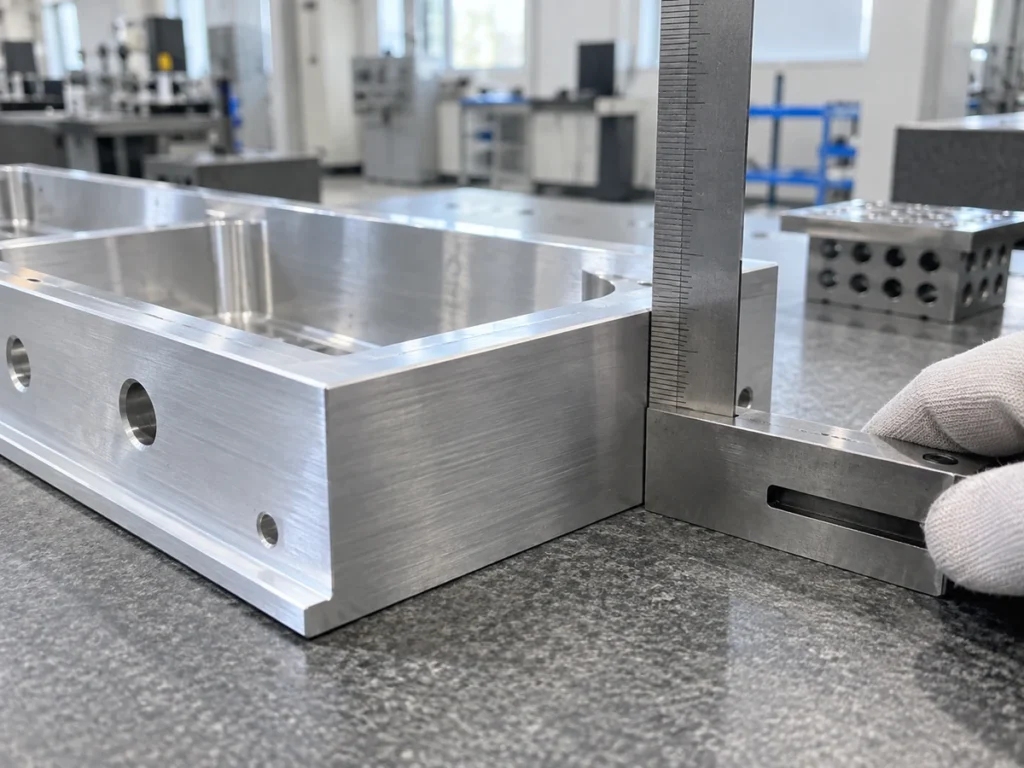
Choice check 2: identify the complete joint stack
Show the layers joined or retained at the fastening location. Identify the receiving wall, attached component, finishes and any specified interface items. A hollow profile’s overall depth is different from the local material involved in the joint.
A rivet-nut proposal needs both the insert interface and the mating-screw interface defined. A conventional blind-rivet proposal needs the intended joined stack defined. These are different scopes, even when both offers use a similar head diameter.
Keep the prepared-hole requirement tied to the selected product. Do not transfer a hole callout from a blind rivet to a rivet nut simply because the outside sizes look similar. The internal screw designation also does not define an insert’s installation hole.
Identify whether the component needs a clear mating face or must accommodate a projecting head. Review the assembled geometry with the actual head style. A catalogue picture cannot determine whether the neighboring panel will sit as intended.
For detailed insert preparation, see our rivet nuts for aluminum guide. That article covers grip, holes, seating and installation handover after the threaded-insert route has been selected.
Choice check 3: compare the complete supplied scope
Compare the hardware and work included in each quotation. A rivet-nut offer may cover the insert alone, the installed insert or the complete screw-connected assembly. A blind-rivet offer may cover loose fasteners or a completed joined component.
Ask each provider to identify its boundaries:
- Which part and fastener identities are supplied?
- Who prepares the receiving features and protects the finished faces?
- Who performs installation using the approved instructions?
- Which joint checks and records are included?
- What remains for the next assembly or service operation?
Use the answers to compare equivalent delivery stages. A low hardware price is not the complete assembly cost, and a finished assembly price is not directly comparable to a box of inserts.
Where loads, repeated servicing, corrosion exposure or sealing matter, the responsible engineering team must establish the joint requirements and supporting evidence. This comparison assigns no universal strength, edge distance, setting force or tightening value.
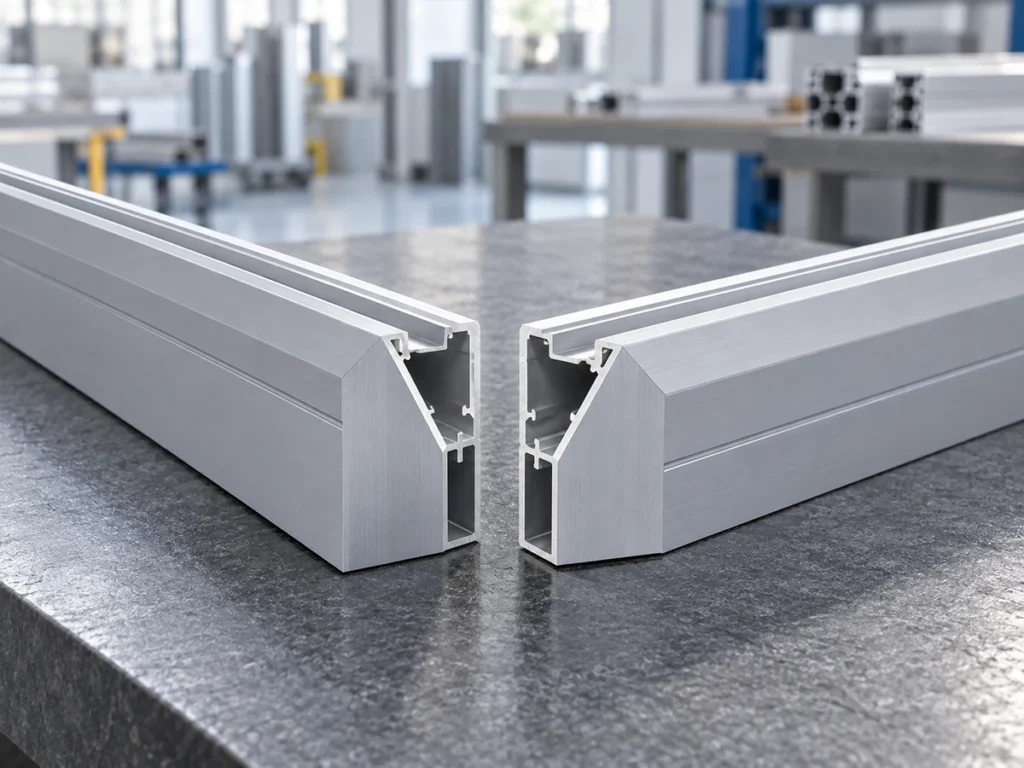
Connect fastening decisions to aluminum part preparation
Before ordering cut members, identify the ends and faces that later locate the fastening features. Keep the approved part identity and finished references connected to drilling, finishing and assembly.
A change from a fixed connection to a removable attachment can change the required part preparation. Have the designer review the affected features and issue the approved definition. Do not carry an unchanged drilling instruction into a new fastening route without checking it.
For JiurunCut’s cutting scope, send the profile drawing, cut requirements and downstream attachment locations. Identify whether the delivery is a blank or includes any agreed subsequent work. Fastener approval remains part of the actual joint review.
Questions before releasing the order
Does an aluminum receiving part require an aluminum fastener?
Specify the receiving part and fastener materials separately. Have the complete combination reviewed for the joint requirements and exposure; the part’s material name does not select every hardware material.
Can a rivet nut replace a blind rivet without redesign?
It changes the attachment arrangement. Review the receiving feature, mating hardware and assembled function before approving the substitution.
Does a threaded connection mean the insert is removable?
The screw-connected component may be removable under its approved arrangement. The set insert is intended to remain in the receiving part.
A clear blind rivet vs rivet nut decision names what is joined, what stays captive and what must be opened later. That gives the drawing, quotation and assembly plan the same purpose.