
Aluminum continuous hinges need an identified section, pin arrangement and finished delivery condition. Before ordering cut lengths, define whether the supplier delivers a complete hinge, separate leaves or another approved component package. Overall length alone cannot describe the required assembly.
For a cabinet door, equipment cover or access panel, this checklist connects the hinge drawing to the purchasing record. It helps the buyer resolve missing information before comparing prices or asking a cutting supplier to review the work.
On this page
Identify the construction of aluminum continuous hinges
Guden’s continuous-hinge overview describes the pin-and-leaf construction and the alternative name piano hinge. Its aluminum offerings include aluminum or stainless-steel pins; the material of the leaves does not identify the pin material.
The overview also distinguishes complete hinges from single-leaf products in an extruded aluminum series. Keep the chosen product identity and drawing with the order instead of assuming that every long aluminum profile is a complete hinge.
Record the leaf material, pin material and relevant supplier designation. Add the open-width, leaf-thickness and barrel or pin dimensions required by the component drawing. Have the hardware designer and hinge supplier approve these details for the actual application.
Separate the hinge from the surrounding frame members in the bill of materials. A correct rail length cannot substitute for a hinge leaf, and a single leaf cannot silently enter the count for complete hinge assemblies.
If the project concerns a guarding door, keep its complete design responsibilities visible. Our machine guarding frame guide addresses the broader delivery package. This hinge checklist does not approve the protective function of a door or enclosure.
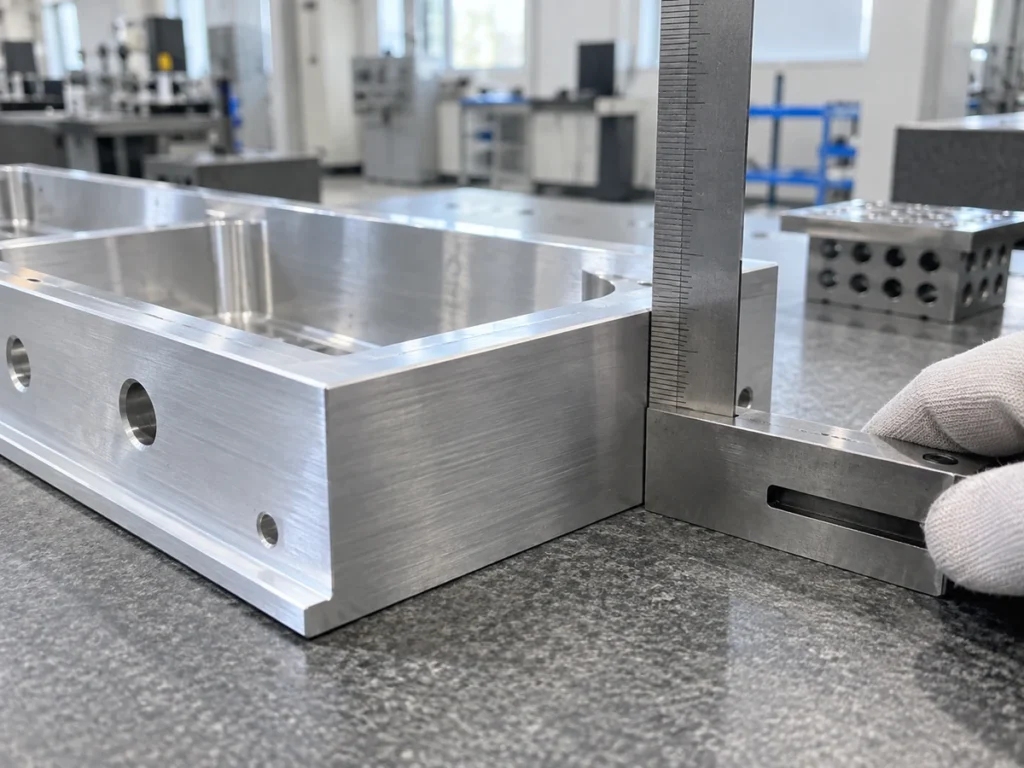
Read the length with the end condition
Show the controlled length between named end references. Keep the leaf length, pin length and overall assembly envelope separate where the drawing distinguishes them. Ask the hinge supplier to explain any projecting or separately finished pin ends.
Guden’s 2016 hinge selection guide connects overall length with the knuckle arrangement. It distinguishes full and partial end knuckles and discusses their relationship to pin retention. A cut-length change therefore needs more review than replacing a number in a spreadsheet.
Mark which end configuration must remain after cutting. Identify the required edge condition and any subsequent finishing work. If the drawing leaves these details open, request the hardware owner’s decision before releasing the cut list.
Do not assign one standard knuckle pitch or end clearance to every hinge. Use the selected component’s drawing. Keep any proposed length change attached to a revised drawing or approved instruction.
Keep pin retention in the supplied scope
The Guden guide describes several retention options, including staking, formed ends and welding. The useful procurement question is which approved arrangement the delivered item actually includes, especially after its stock length is modified.
Ask whether the quoted work includes the required pin and retention features at the supplied stage. Have the hinge manufacturer review whether the planned cutting or later processing affects that arrangement.
When the component uses an aluminum leaf and a steel pin, disclose both materials in the manufacturing review. An aluminum-profile cutting quotation should not be treated as approval to saw an assembled mixed-material hinge. Obtain a specific process and equipment review for the actual supplied condition.
If the project requires removal for maintenance, state the approved removal arrangement separately. A loose pin and a retained pin describe different component requirements. Do not ask receiving to decide which version was intended.
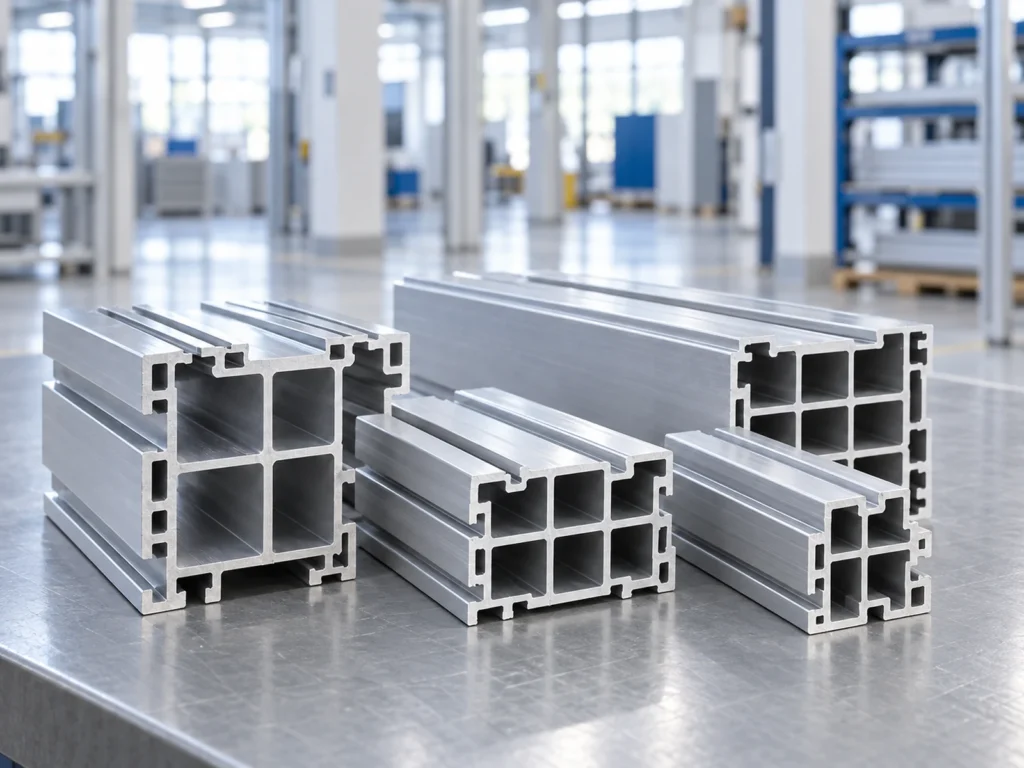
Connect mounting holes to the assembly drawing
Guden offers continuous hinges without holes as well as customized hole patterns and other operations. The offer needs to say which features are supplied. A stock hinge photograph does not establish that the mounting preparation is included.
Use the assembly drawing to identify the mounting face and hole-location datum. Retain the required hole form, size, orientation and positional requirements. Keep the matching frame or panel drawing in the review package.
Where countersunk holes are specified, identify the approved fastener and seat geometry. A countersink, an ordinary through-hole and a slot should remain distinct quotation lines or clearly identified features.
Assign the operation owner: hinge supplier, separate fabricator or another named party. Ask whether holes are produced before or after the final length and finish operations. Our cutting and drilling guide helps describe those separate stages.
A fictional length comparison
Assume a fictional assembly drawing defines a 500 mm mounting span. It places the leaf ends 10 mm inward from each span end. The intended leaf length in this invented arrangement is 500 − 10 − 10 = 480 mm.
These numbers illustrate drawing interpretation only. They are not recommended clearances, a catalog hinge or a tested installation. The example supplies no pin-length or knuckle-end requirement.
| Drawing entry | Meaning for the order |
|---|---|
| 500 mm span | Assembly reference; not the leaf cut length. |
| 480 mm leaf | Result of the two stated offsets in this example. |
| Pin and end details | Still need their own approved requirements. |
If a quote offers a 500 mm hinge because that was the only number on the RFQ cover, clarify the component drawing before ordering. Do not shorten a supplied assembly and assume that its pin arrangement remains approved.
Compare the delivered packages
Write one scope sentence describing the item that arrives. For example: “Supply the identified complete hinge to the released drawing, including the specified pin, end retention and mounting features.” Replace this editable wording with the actual project details.
If the offer covers only blank leaves, say so. List the separately supplied pin, missing operations and responsible processors. Compare prices only after these differences are visible.
Keep part number, revision, supplied stage, finish and accepted quantity together. Record any exclusions beside the relevant component. A lower quotation may cover less work rather than an equivalent finished item.
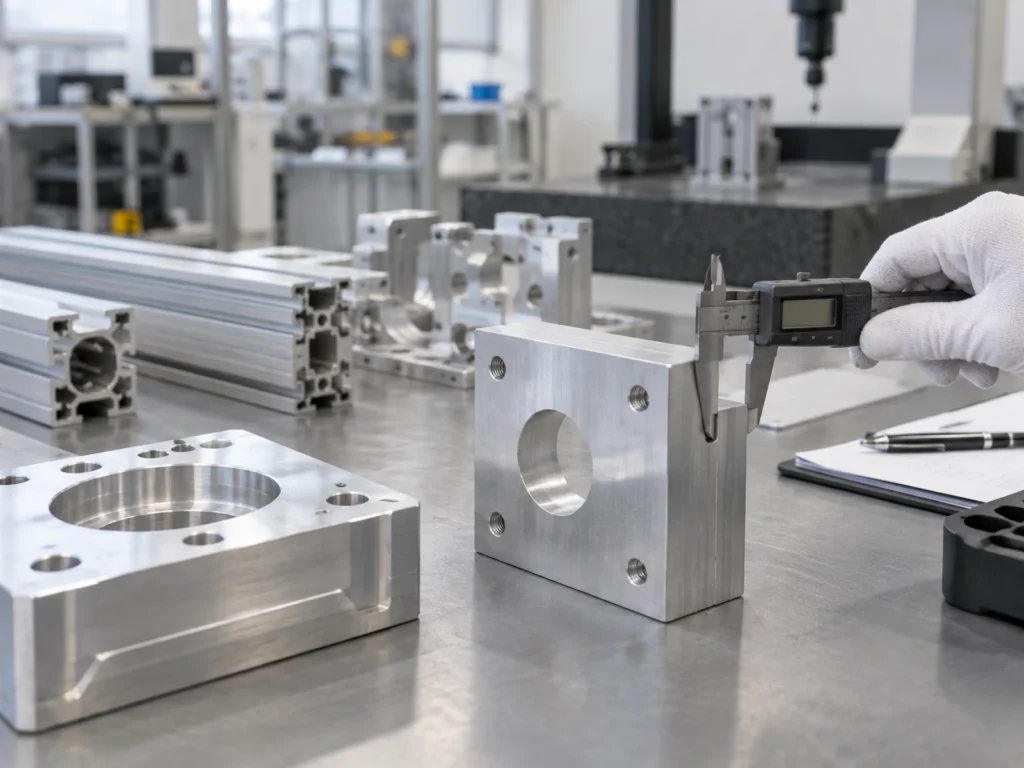
Plan the sample review around the real assembly
The Guden guide recommends application testing rather than treating a general catalog selection as proof of suitability. Ask the responsible designer to define the sample, mounting arrangement and required evaluation.
Keep dimensional checks separate from operation, load, durability and any other specified assembly requirements. Record the sample identity and approved review scope. A favorable movement check does not complete every requirement for later production.
For the aluminum cutting stage, send JiurunCut the section drawing and supplied material condition. Include leaf or profile identities, controlled lengths, quantities and downstream operations. Request an application review before assuming any machine configuration is suitable.
Buyer questions
Is a piano hinge a continuous hinge?
For the pin-and-leaf construction described by Guden, those names refer to the same hinge category. Confirm the actual product drawing when ordering.
Does an aluminum hinge always have an aluminum pin?
No. Specify the leaf and pin materials separately; the selected product may use another pin material.
Does cutting to length complete the hinge?
Check the end configuration, pin retention, mounting features and supplied finish. The approved delivery scope determines what remains to be done.
Can the cabinet height become the hinge length directly?
Use the hinge component dimension and named references. The assembly drawing must define the relationship to the cabinet or door.