
Confirm an aluminum saw blade bore against the approved mounting specification for the exact machine before ordering. Keep the center-hole dimension, additional mounting features, any approved reduction ring and complete blade product number together. A blade that appears to slide onto a shaft has not completed the compatibility review.
This guide focuses on the center-hole decision during purchasing. Use the broader blade-size checklist for cutting diameter, body thickness, teeth and operating conditions. The four checks below help resolve a replacement or substitution without asking purchasing staff to perform an installation.
Keep the interface identifiable
- Use the machine’s approved tooling document.
- Request named dimensions, units and feature details.
- Resolve a proposed ring or substitute before release.
On this page
Aluminum saw blade bore: identify the machine interface
Start with the delivered machine identity, including the model, serial number and relevant tooling-document revision. Ask the responsible machine supplier for the approved blade mounting requirements for that configuration.
Record the center-hole requirement as a named field. Include any specified auxiliary features, such as mounting holes or a keyway, where the documentation calls for them. Keep their arrangement with the dimension rather than reducing the interface to one number.
Identify the associated mounting components by the references used in the machine documentation. If a flange, hub or other component was replaced, have the responsible technical team confirm the current approved arrangement. An old blade order may describe an earlier condition.
An installed blade’s marking is useful supporting information. Photograph it when this can be done through the prescribed access procedure by authorized personnel. Keep the photograph with the machine identity and document reference, rather than using it as the only purchase specification.
Ask which supplier owns an unresolved fit question. The machine supplier can confirm the required interface; the tool supplier can identify the proposed product. Purchasing should have a clear technical approval owner for any difference between those records.
2. Read the center-hole field with its units
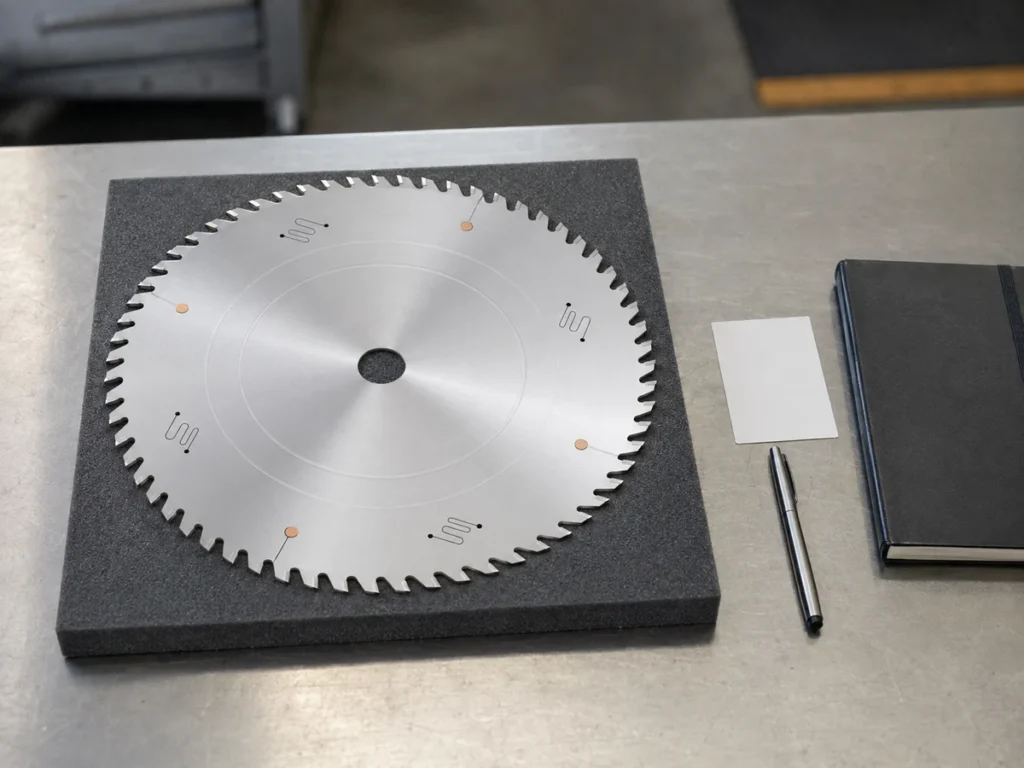
A circular blade’s bore is its center opening for the mounting interface. Keep it separate from the cutting diameter, blade-body thickness and cutting width. A quotation with one unlabelled dimension string can obscure which value describes which feature.
Request a product drawing or a clearly defined specification table. Read the field names and units before comparing values. If a catalog uses symbols or shorthand, ask for the manufacturer’s explanation of the relevant fields.
Freud’s LU5H profile-cutting blade flyer lists multiple dimensional fields and individual product codes. It illustrates why a product family name alone does not identify one interchangeable blade. Confirm the selected row and its field definitions with the tool supplier.
Do not copy a table into a purchase order without its headings. A line break, reordered column or transcription can put a correct number under the wrong label. Preserve the manufacturer’s product code and document revision so the intended row remains traceable.
Make mixed units visible. Ask the supplier to confirm the exact specified dimension and product identity when an offer uses a rounded conversion or describes a size as approximate. A purchasing conversion does not establish an acceptable mounting fit.
If your team needs a measurement to resolve a discrepancy, have the responsible technical personnel define and carry out that inspection. Record the feature, method and result. A rough ruler reading or scaled photograph should not become the approval basis.
3. Review a proposed reduction ring
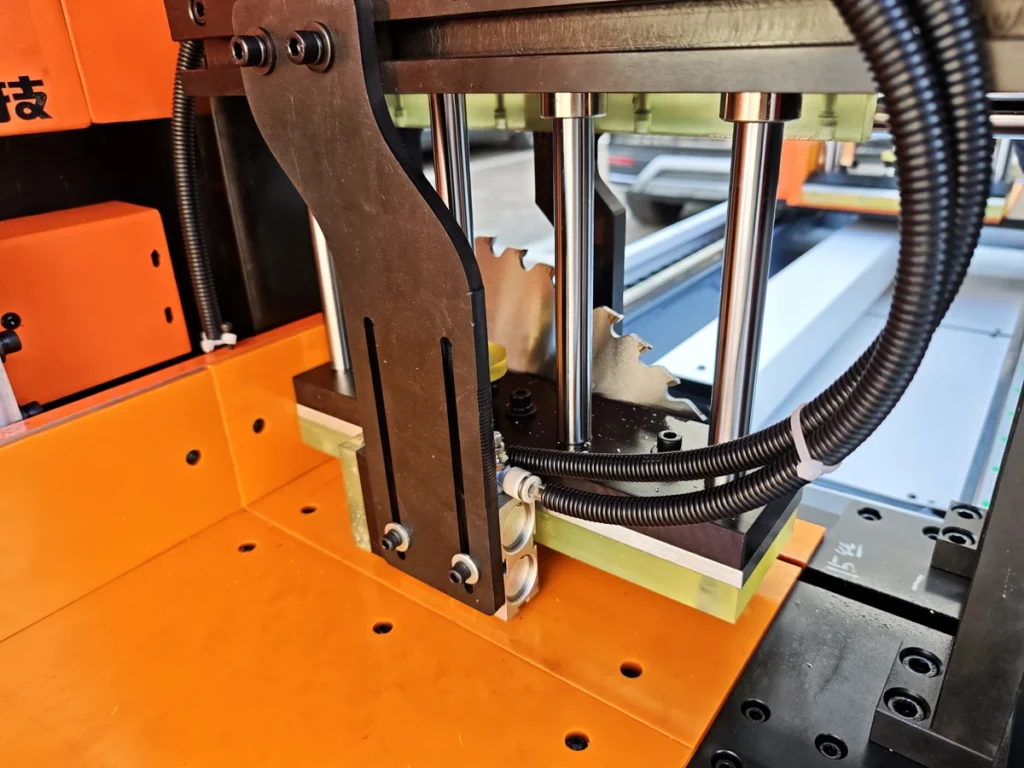
A proposed reduction ring introduces another component into the interface. Request its manufacturer, product number, dimensions and intended blade-and-machine combination. Ask whether the responsible manufacturers approve that exact arrangement.
Freud’s circular saw blade original instructions prohibit loose-fitting reduction rings or bushings. The instructions allow their specified secure-fitting rings only under the stated mounting conditions, including a ring thinner than the base blade body. These requirements are product instructions, not a blanket approval for another blade or machine.
Send the applicable tool instructions to the technical reviewer with the proposed accessory. Ask the machine supplier to confirm compatibility with its mounting arrangement. Keep both responses with the order so a buyer is not left to infer approval from an accessory listing.
Do not treat a larger center opening as automatically equivalent because a ring is available. Identify all changed fields, including the mounting features and product number. The proposed combination needs its own documented review.
If no approval is available, keep the item unresolved and request a blade with the required interface. Have the supplier propose a supported alternative. Purchasing should not authorize an improvised shim, altered hole or unverified ring as a workaround.
4. Close the substitution before ordering
A substitution request should name the originally approved blade and the proposed replacement. Ask the supplier to list matching fields and differences. Include the mounting arrangement, application and relevant operating requirements in the review.
Check the quantity and accessory scope. Does the offer include the specified ring or mounting component, if approved? Is it supplied as a separate item? A complete order should make those responsibilities clear rather than leaving them to the person receiving the delivery.
Request written technical confirmation tied to the actual machine and proposed tool. State who approved the substitution and which documents were used. Retain the approval with the purchase order and receiving record.
Freud’s instructions direct users to follow the machine manufacturer’s mounting regulations. They also require proper tool clamping and clearance from machine parts. Refer installation and commissioning to the applicable procedures and authorized personnel; purchasing confirmation is a separate step.
Where the proposal changes the complete tool specification, use the relevant application review as well. Matching the bore does not establish that the blade suits the material, profile, cutting direction or permitted operation.
Two offers that need clarification
Consider a fictional replacement request. Offer A gives a blade family and outside diameter. Offer B gives a complete product number and proposes a reduction ring. Neither has yet been compared with the machine’s approved mounting document.
For Offer A, request the named bore field and all required auxiliary mounting features. For Offer B, request the exact accessory identity and manufacturer approval for the proposed combination. Keep the original machine requirement visible in both requests.
The cheaper offer is not ready for release until these questions are answered. This example demonstrates a document review; it does not describe an actual machine fit, cutting test or supplier performance result.
A clear closeout records the approved product and interface, any included accessory, remaining exclusions and technical reviewer. If a difference remains unresolved, identify the missing confirmation and hold that item open.
Write a clear replacement request
Provide the exact machine identity and current approved tooling requirements. Add the existing blade product number and readable markings where available. Include the profile drawing, material and cutting task so the supplier can review the complete application.
Ask the supplier to return the proposed blade manufacturer, full product number, center-hole specification and required mounting features. Request a separate identification and compatibility statement for any reduction ring or interface change.
Keep the approval and receiving checks connected. Compare the delivered product number and markings with the approved order before routing the tool for installation. Refer an unexpected difference to the responsible technical reviewer.
If the original question concerns vibration or a reported mounting issue, retain that service record separately. The blade runout report guide explains the context needed for interpreting a measurement; it does not replace a compatibility confirmation.
For an aluminum saw blade bore inquiry involving a JiurunCut machine, send the machine identity, tooling documents and cutting application. This gives the review a concrete starting point.
Buyer questions
Is the bore the same as the blade’s outside diameter?
No. It is the center opening for the mounting interface. Keep its specification separate from the cutting diameter and other tool dimensions.
Does the same bore guarantee an interchangeable blade?
No. Review the complete mounting features, tool specification, application and permitted operating conditions against the exact machine requirements.
Can a reduction ring always solve a mismatch?
No. Request approval for the exact blade, ring and machine combination. Follow the relevant manufacturer instructions rather than inferring approval from a catalog size.
What should receiving staff compare?
Compare the delivered tool and any approved accessory with the product identities and specifications in the released order. Route discrepancies for technical review before installation.