
Review an aluminum saw warranty by asking what is covered, when coverage starts, who provides service and which costs remain with the buyer. Put the answers beside the exact machine quotation. A headline duration alone does not describe the support available at your installation site.
Before purchase, request the written terms that apply to the quoted configuration and buyer. Use the five questions below to turn a general promise into a clear procurement record.
Keep these three documents together
- The machine quotation and its configuration list.
- The applicable written warranty terms and version date.
- The service contact and agreed claim procedure for your site.
On this page
Aluminum saw warranty: which offer do the terms cover?
Start with the exact seller, machine configuration, purchasing entity and installation location. Record the quotation number and revision. A terms sheet for a different product family or sales region may not answer the questions raised by your order.
List the quoted machine and any separate feeder, collection system, tooling or optional equipment. Ask whether each item falls under the same terms or has its own supplier coverage. Keep a configuration change visible in both the commercial offer and the warranty clarification.
Then ask when the stated period begins. Purchase, shipment, delivery, commissioning and acceptance are different events. Request the applicable start event and the document used to establish it. Do not select a date by assumption.
Eligibility also needs a direct answer. Ask whether coverage applies to the original buyer only and whether moving the machine to another site affects the agreed process. Resolve these points before comparing quotations on duration.
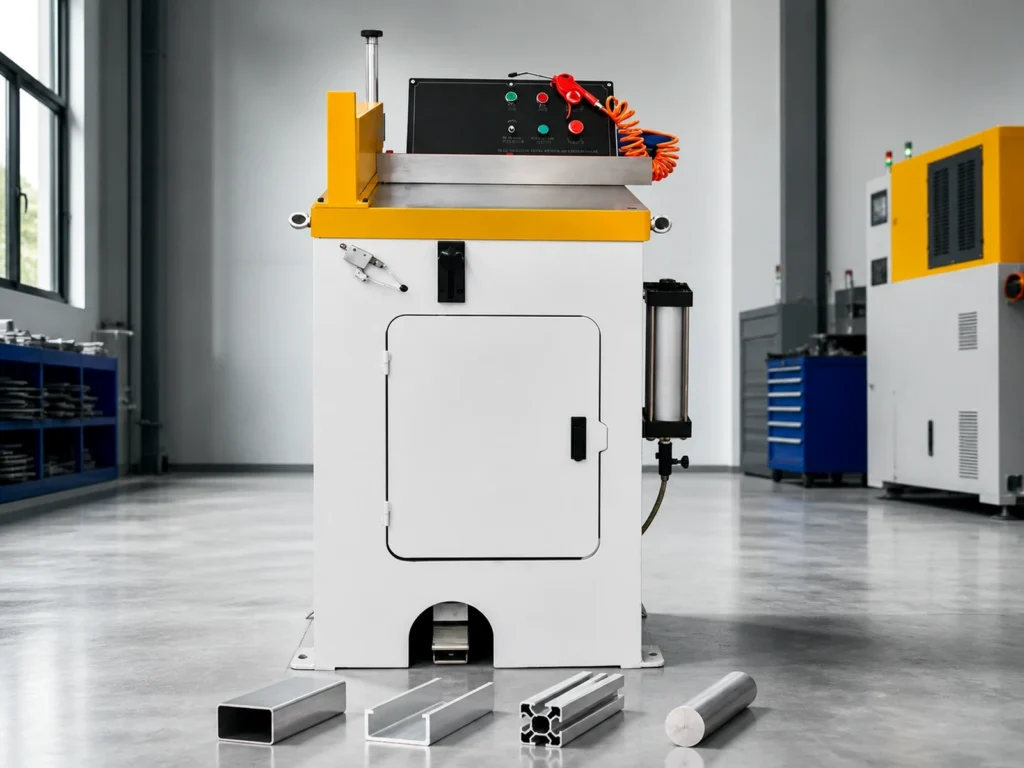
Question 2: what does coverage include?
Separate parts coverage, labor, remote assistance and site attendance. These can appear in the same sales discussion without being the same commitment. Request an answer for each relevant item rather than a general “full warranty” description.
Check wear items and consumables explicitly. A blade, a clamp component and an electrical assembly may be treated differently under the offered terms. Ask which items are included, excluded or handled through a separate process. Avoid assuming that everything delivered with the machine has identical coverage.
A third-party example shows why precise wording matters. The Scotchman GAA-500 product page identifies parts warranty coverage and separately describes technical support. Those descriptions belong to that product; they are not JiurunCut terms. The useful purchasing question is whether the offer distinguishes covered parts from the service used to diagnose a problem.
Ask what remedy the applicable terms describe and who authorizes it. Keep a supplier’s decision process distinct from your production expectation. A warranty statement does not, by itself, promise a replacement machine, uninterrupted output or completion of a customer order.
Question 3: how will service reach your site?
Name the service contact, the buyer’s contact and the normal communication route. Identify the information needed for an initial review. Ask whether the quoted arrangement uses remote diagnosis, a local service partner, a return procedure or separately arranged site attendance.
Confirm the geographical scope. A statement about support in one country should not be treated as an overseas attendance commitment. Ask which provider will respond at the proposed installation address and how language, time zones and escalation will be handled.
Keep response targets precise if the supplier offers them. An acknowledgement target is different from a diagnosis target, a parts dispatch estimate or an arrival commitment. Record only the service expectations actually agreed in writing.
Discuss production continuity separately. Your stock buffer, backup route and spare-parts plan need their own review. The aluminum saw service guide covers organizing a useful fault report; this warranty review checks the commercial coverage around that service process.
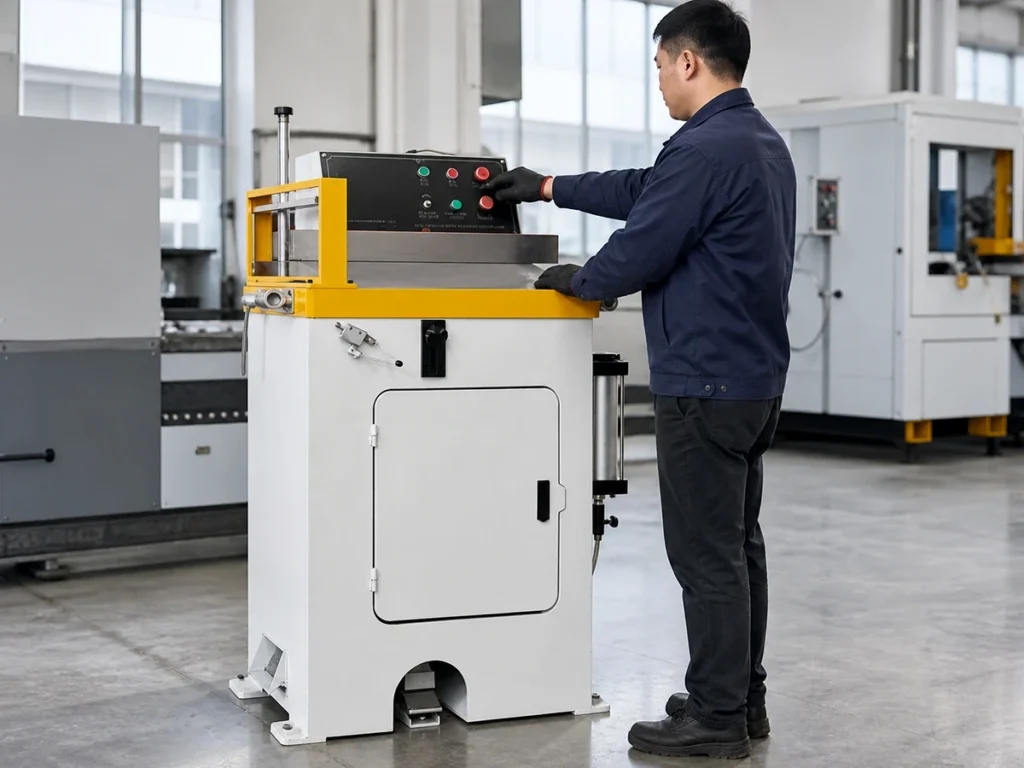
Question 4: what records and approvals are needed?
Request a short claim checklist before the machine arrives. It may identify the purchase document, serial number, description of the issue, photographs and relevant maintenance records. Ask which items the provider needs and where the buyer should send them.
Also clarify authorization before a return, replacement request or third-party intervention. Do not assume that sending a component back automatically creates an accepted claim. Ask how the supplier confirms the next step and records its approval.
The Baileigh warranty policy provides a product-specific example: it addresses buyer eligibility, proof of purchase, exclusions, return authorization and transport responsibilities. Its terms should be read as that manufacturer’s policy, not copied into a JiurunCut offer. The example helps show why a duration summary is an incomplete review.
Keep the commissioning and maintenance records relevant to the actual machine. Use the supplied instructions and agreed site requirements. This guide does not define technical maintenance intervals or decide whether a particular claim is valid.
Nominate a person to preserve the correspondence. A clear record contains the reported issue, the supplier’s assessment, the authorized action and any remaining questions. Keep guesses about the cause separate from the evidence submitted.
Question 5: who owns the remaining costs?
Ask about the cost categories around a covered component. Diagnosis, technician travel, labor, freight, customs handling and local installation may need separate answers. Their treatment depends on the actual offer and applicable terms.
Request clarification for both directions of a shipment where a return is involved. Record who arranges transport, who pays the agreed charges and who supplies the return instructions. Keep this separate from the machine’s original delivery terms.
Discuss consumables and an initial spares package as quotation items. Do not describe an optional spare as warranty stock unless that is how the offer defines it. The spare-parts planning guide helps identify the component information needed for a separate review.
Close the question with an owner and a document reference. If a cost remains undecided, mark it as unresolved. A blank cell or a verbal “we will see” answer should not be converted into an included service in the purchase summary.
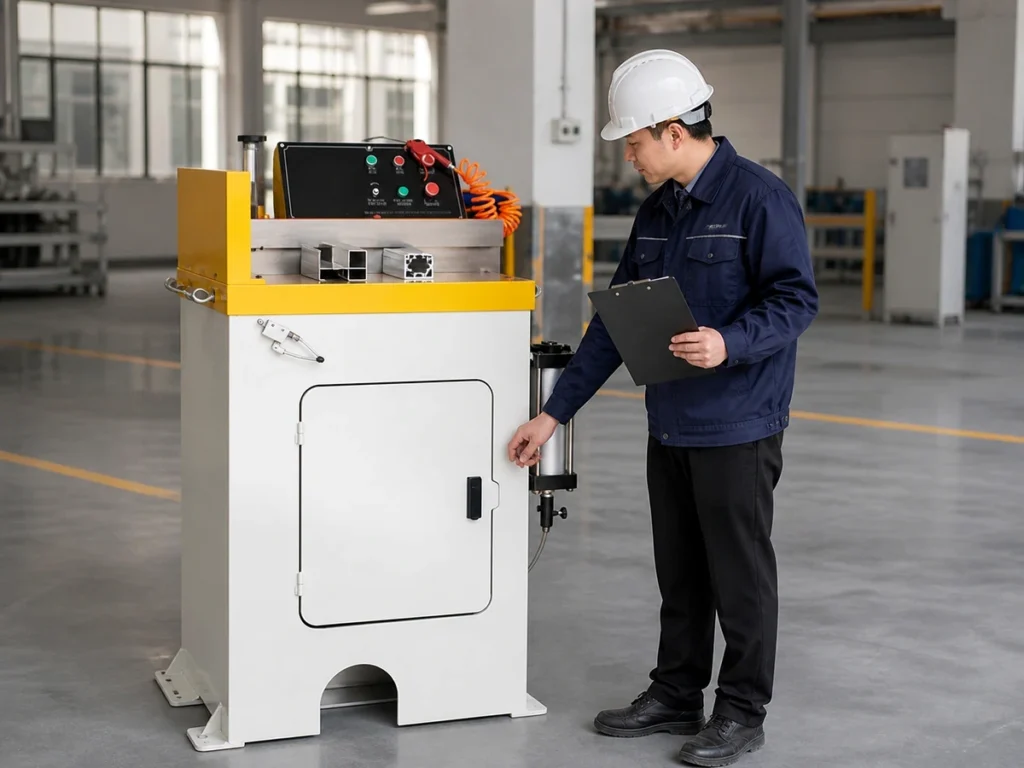
Resolve an incomplete quotation before comparing suppliers
Consider a purchasing review in which two offers state the same headline duration. One identifies covered parts but leaves site labor open. The other mentions remote support but does not define return freight. This is a hypothetical document example, not a description of an actual supplier or claim.
The buyer cannot yet compare the service scope. Send each supplier its unresolved questions and request a revised written response. Keep the original wording so the clarification can be traced to the offer it changes.
Review the response with the people responsible for purchasing, installation and maintenance. Confirm that they understand the same service route. If contractual wording or enforceability needs interpretation, use the buyer’s qualified adviser; this checklist supplies procurement questions, not a legal opinion.
Prepare a concise clarification request
Use this outline as a starting point and adapt it to the order:
- Offer: quotation reference, revision and proposed equipment list.
- Buyer and site: purchasing entity and installation location.
- Terms: applicable document, version and start event.
- Coverage questions: parts, labor, consumables and auxiliary equipment.
- Service route: contact, authorization steps and site support scope.
- Cost questions: transport, attendance and other unresolved charges.
Attach the question list to the machine RFQ record. For a JiurunCut enquiry, provide the intended cutting job and installation location through the contact page, and request the terms applicable to the actual quotation. This article is not a warranty offer or a promise of particular coverage.
Buyer questions
Is a longer warranty always the better offer?
Compare scope, eligibility, service arrangements and costs alongside duration. A longer headline does not resolve an excluded item or an unclear support route. Evaluate the written offer against the needs of your site.
Does free technical support mean free on-site repair?
Do not assume they are equivalent. Ask whether support includes site attendance and labor, who provides it and which charges apply. Record the answer in the quotation clarification.
Can a product-page statement replace the written terms?
Request the applicable terms and resolve any mismatch with the quoted offer. Keep both references with the purchasing record. Do not silently choose the most favorable wording when the documents disagree.
What should the buyer retain after delivery?
Keep the purchase documents, equipment identity, agreed terms, handover records and service correspondence together. Follow the supplied instructions for the actual machine and retain the records the provider requests for a claim review.