
Aluminum saw service should be compared by what happens after a support request: who receives it, when technical help starts, which equipment is covered and how a repair is completed. A quick reply is useful, but it does not by itself mean that the saw is ready for production.
Before buying an industrial cutting machine, ask for the proposed support arrangements in writing. These five checks turn broad after-sales statements into questions that purchasing, maintenance and production teams can review together.
Keep three service milestones separate
- Request received: the supplier has acknowledged the reported issue.
- Technical action: a named person has begun the agreed diagnostic or repair work.
- Return to use: the responsible team has completed the required checks and release.
On this page
1. Define the aluminum saw service scope
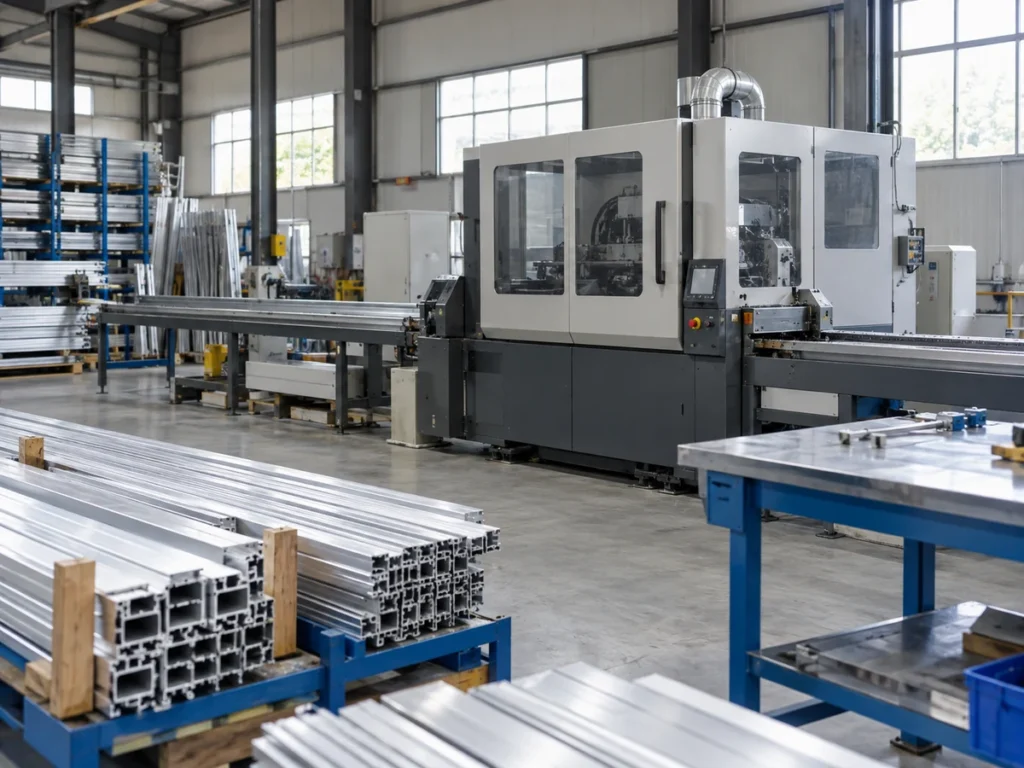
Start with the machine model, equipment version and proposed configuration. Include the loading equipment, discharge equipment and any separate associated units. A package containing several systems may involve more than one service contact.
Ask which services are included in the offer and which require a separate arrangement. Keep technical assistance, replacement parts, preventive maintenance, repairs and training visible as individual subjects.
For an industry example, Behringer’s after-sales overview presents hotline support, parts, maintenance and repair, and training as distinct service areas. That separation is useful when preparing questions; its offerings are not a statement of JiurunCut’s coverage.
Record the responsible party for each proposed item. If an auxiliary system comes from another supplier, ask how an issue involving both systems will be coordinated. Do not leave the buyer to infer that every accessory receives identical support.
For an existing or used machine, add the serial identification and known configuration changes. Ask whether support can be offered for that particular unit rather than assuming the current brochure covers its age, controller or software.
2. Define response time and service availability
Ask what the response statement actually promises. Does it mean a message acknowledging receipt, contact from a technical specialist, a remote diagnostic appointment or arrival at the site? Put the named event beside the stated time.
Also define when the clock starts. A request sent outside the covered service hours may be handled differently from one received during them. Ask for the applicable time zone, days of availability, contact channel and any information needed to open the case.
Keep the first-response event separate from completion. A repair may require identification of a fault, an approved quotation, a replacement component, travel and a later verification. An initial reply cannot tell the buyer how long all those stages will take.
KASTO’s service overview separately lists assistance, maintenance, repairs and spare parts, including remote and visual assistance options. This illustrates why buyers should name the requested service route. It does not establish that those options are available for a JiurunCut machine.
Where a supplier has not committed to a particular milestone or availability window, mark it as unconfirmed. Compare confirmed statements on the same basis before treating one offer as faster.
A quick reply is one event in the record
Consider this fictional support record. A request is received at 08:00 and an acknowledgment is sent at 09:00 on the same day. The elapsed time between those two events is 60 minutes.
The record says nothing yet about diagnosis, replacement-part delivery or permission to return the machine to use. It is an example of how to describe events, not a JiurunCut response commitment or a completed repair.
| Recorded event | What remains to establish |
|---|---|
| Request acknowledged | Who will review the issue, and when will technical work begin? |
| Diagnostic action proposed | Which approved action is needed, and who may carry it out? |
| Replacement part identified | Compatibility, supply scope and the confirmed delivery arrangement. |
| Repair work completed | The required checks, release record and any remaining restrictions. |
A service comparison should retain these differences. Do not relabel “request acknowledged” as “problem resolved” in a purchasing summary.
3. Prepare useful fault information
Ask the supplier what information it needs for the first technical review. A purchasing team can agree the reporting fields before installation, so staff do not have to invent a format during an interruption.
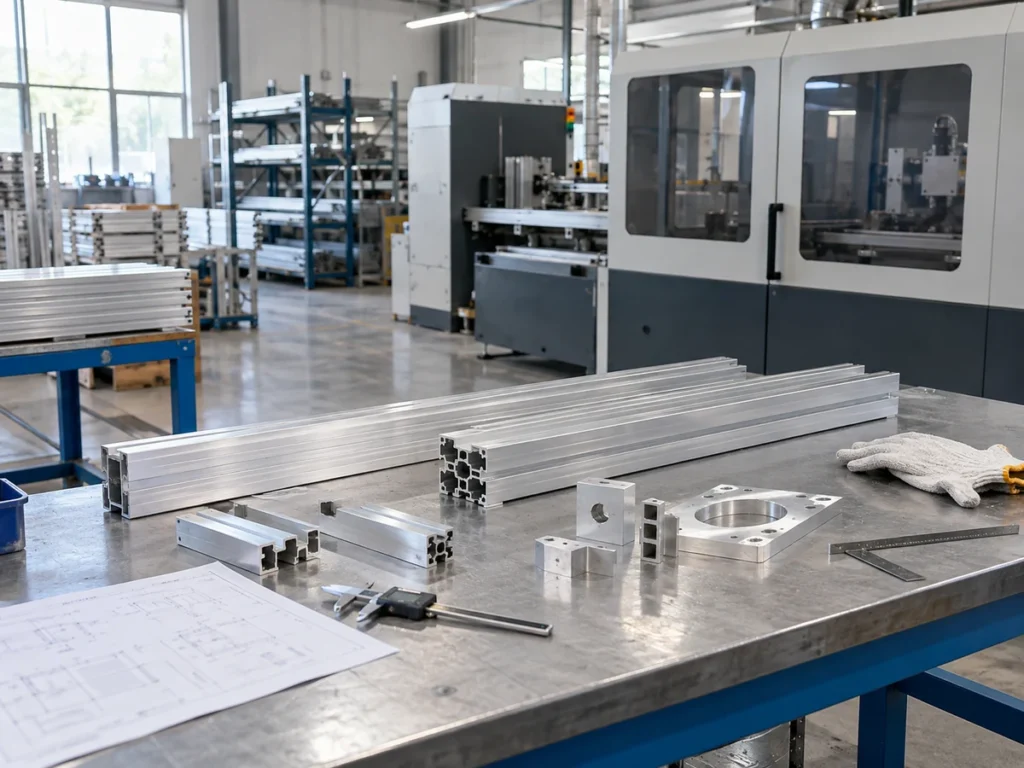
A practical report can identify the machine and software version, the visible alarm text, the affected job and when the issue occurred. Include the drawing revision and material description where relevant. Distinguish a displayed message from the operator’s interpretation of it.
Describe what was observed rather than assigning an unverified cause. “The displayed finished length differs from the inspected part record” is a different statement from “the drive has failed.” Keep the actual observation and the suggested cause separate.
Ask how photographs, records or a video should be supplied. Use the agreed reporting channel and avoid including unrelated confidential drawings, account details or other unnecessary information.
Document recent authorized changes that may matter, such as a different job file or replaced component. Keep the original records intact. For mixed files, connect the service case to your cut-list revision record so the reviewer knows which job was in use.
Collect information through the machine’s approved procedures. A support request is not permission to bypass safeguards, open energized equipment or continue operating through an unresolved hazardous condition.
4. Clarify remote, parts and site support
Ask which diagnostic routes are available for the proposed equipment. A telephone conversation, a visual discussion and a direct connection to a controller are different arrangements. Confirm the technical prerequisites and your company’s approval process before scheduling an access session.
Identify who is authorized to carry out work at the site. Establish which tasks require the supplier or a qualified technician, and how an on-site visit would be requested. Keep this in the service plan rather than relying on an informal message after delivery.
For replacement parts, request the correct identification for the specific machine. Separate component availability from shipment departure and arrival. An item listed in a parts catalogue is not evidence that it is currently in stock for immediate dispatch.
Clarify quoted costs and exclusions before approving work. Ask how labor, travel, transport, consumables and replacement components are treated. Keep commercial approval separate from technical authorization to perform the repair.
Use your spare-parts plan to discuss critical items, identification and storage requirements. The right plan depends on the delivered configuration and the site’s own maintenance review.
5. Agree what closes the service case
Ask for a completion record identifying the issue, the work performed, replaced items and checks completed. Record the responsible people and any further actions. Avoid a closure note that only says “done.”
Keep machine function and finished-part acceptance distinct. Where the repair affects the cutting job, the responsible team should define the required verification against the current drawing and approved procedures. A machine restarting is not by itself a full part-quality record.
Save any authorized configuration change and its documentation with the machine history. Update the job instructions only through the site’s normal review process, so the next shift receives the correct information.
Connect the service record to your maintenance checklist. A clear history helps the next review start with known facts instead of conflicting recollections.
Prepare the purchase inquiry
Send the profile drawing, material, finished lengths, batch mix and proposed installation location. Add the service questions that matter to your plant: contact route, covered equipment, technical availability, parts arrangements and completion records.
Ask JiurunCut to review the cutting job and proposed support scope. Request written clarification for the actual offer; this guide does not promise a response time, a warranty term or a particular service location.
Buyer questions about aluminum saw service
Does a fast acknowledgment guarantee a fast repair?
No. Record acknowledgment, diagnosis, repair and release as separate events. Ask for the applicable commitment at each relevant stage.
Does a service brochure prove support for every machine?
No. Confirm coverage for the offered configuration or identified existing unit, including any associated equipment.
Should a buyer assume remote access is included?
No. Confirm availability, prerequisites and authorization for the specific equipment before arranging a session.
What is the most useful first question?
Ask who handles the case for this machine and what information they need. Then clarify the named response event and service hours.